

New Delhi, 23 July 2025: Health authorities have confirmed 2,658 cases of chikungunya in Foshan city, located in China’s Guangdong province. The cases have reportedly been classified as mild, with no severe symptoms or hospitalizations required as of now. The outbreak has raised public health concerns, but experts are reassuring the public that the disease is self-limiting and manageable with supportive care.
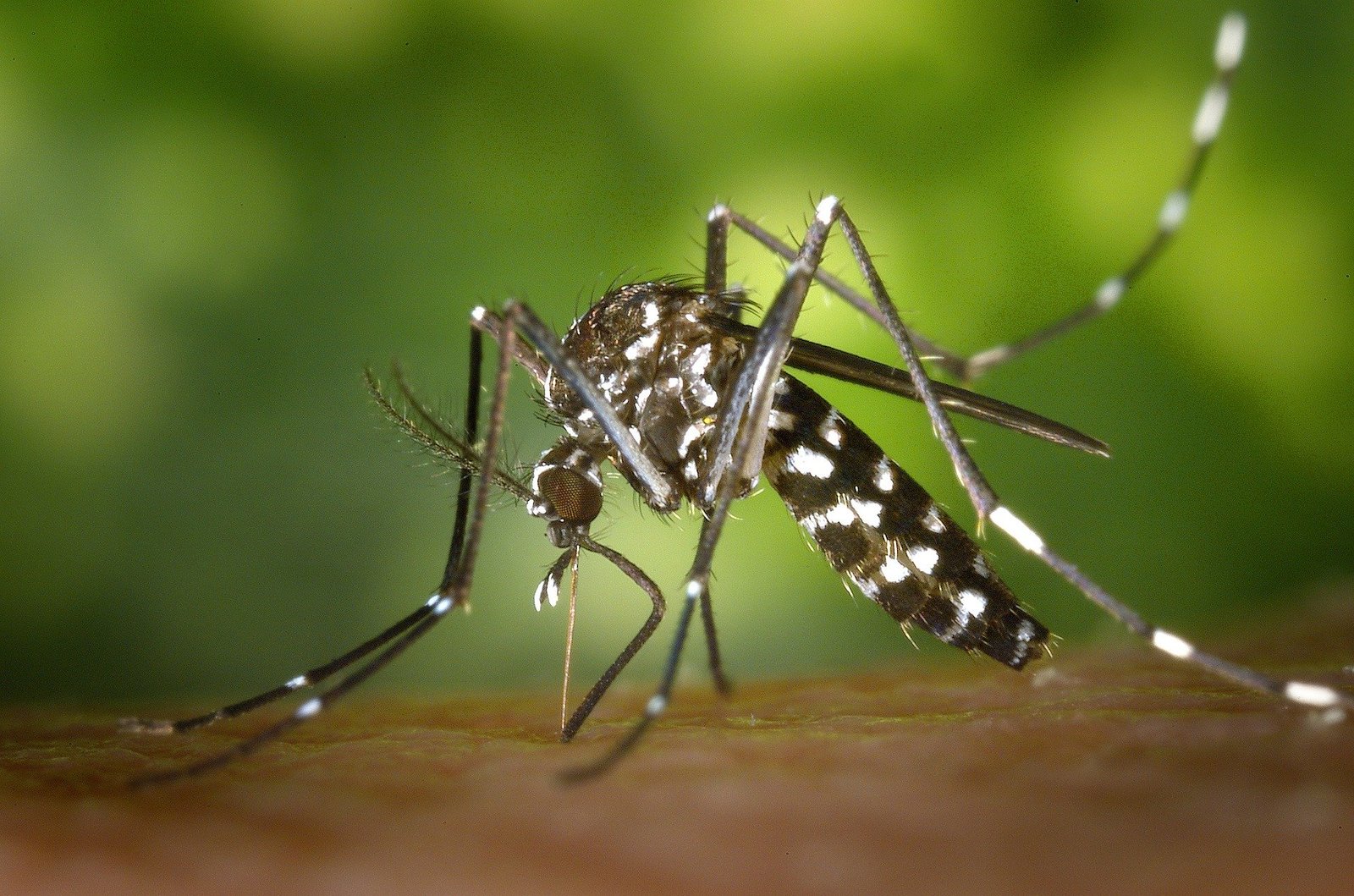
What is chikungunya and how it spreads Chikungunya is a viral infection transmitted by Aedes mosquitoes, the same vectors that spread dengue and Zika virus. The illness typically causes high fever, joint pain, headache, muscle aches, rash, and fatigue. It is not directly transmitted from person to person but spreads rapidly in areas with dense mosquito populations and stagnant water sources. Outbreaks often occur in tropical and subtropical regions during the rainy season.
Why all cases are being called ‘mild’ by authorities According to reports, all current chikungunya cases in Foshan have been labeled as mild due to the absence of severe complications. Most patients are experiencing typical symptoms like fever and joint stiffness, which tend to resolve within a week or two. Unlike dengue, chikungunya rarely causes bleeding or critical drop in platelet levels, which makes it comparatively less dangerous in most healthy individuals.
Public health measures underway to contain the spread In response to the spike in infections, local health departments have stepped up vector control operations including mosquito fogging, elimination of breeding sites, and public awareness campaigns. People are being advised to use mosquito repellents, wear full-sleeved clothing, and avoid areas with stagnant water. Surveillance and testing measures have also been ramped up to monitor the spread.
How chikungunya differs from dengue and Zika Although caused by the same mosquito species, chikungunya is different from dengue and Zika in terms of symptoms and complications. Dengue often leads to severe muscle pain, bleeding, and requires platelet monitoring, while Zika is notorious for its neurological impact, especially during pregnancy. Chikungunya primarily affects the joints, often causing persistent arthritis-like pain that can linger for weeks or even months.
Can chikungunya become life-threatening? While most chikungunya cases are non-fatal, complications can arise in the elderly, newborns, or those with pre-existing health conditions. Rare outcomes may include neurological issues or prolonged fatigue. However, in the current outbreak in Foshan, no such complications have been reported so far. Medical experts continue to monitor vulnerable populations to ensure quick intervention if needed.
With 2,658 confirmed cases of chikungunya in Foshan, South China, the outbreak is a reminder of how quickly mosquito-borne illnesses can spread in urban areas. Fortunately, all reported cases have been mild, and public health agencies are actively working to control the outbreak. Preventive actions such as eliminating mosquito breeding sites and taking personal protective measures remain crucial to curb further transmission.
















Leave a comment