

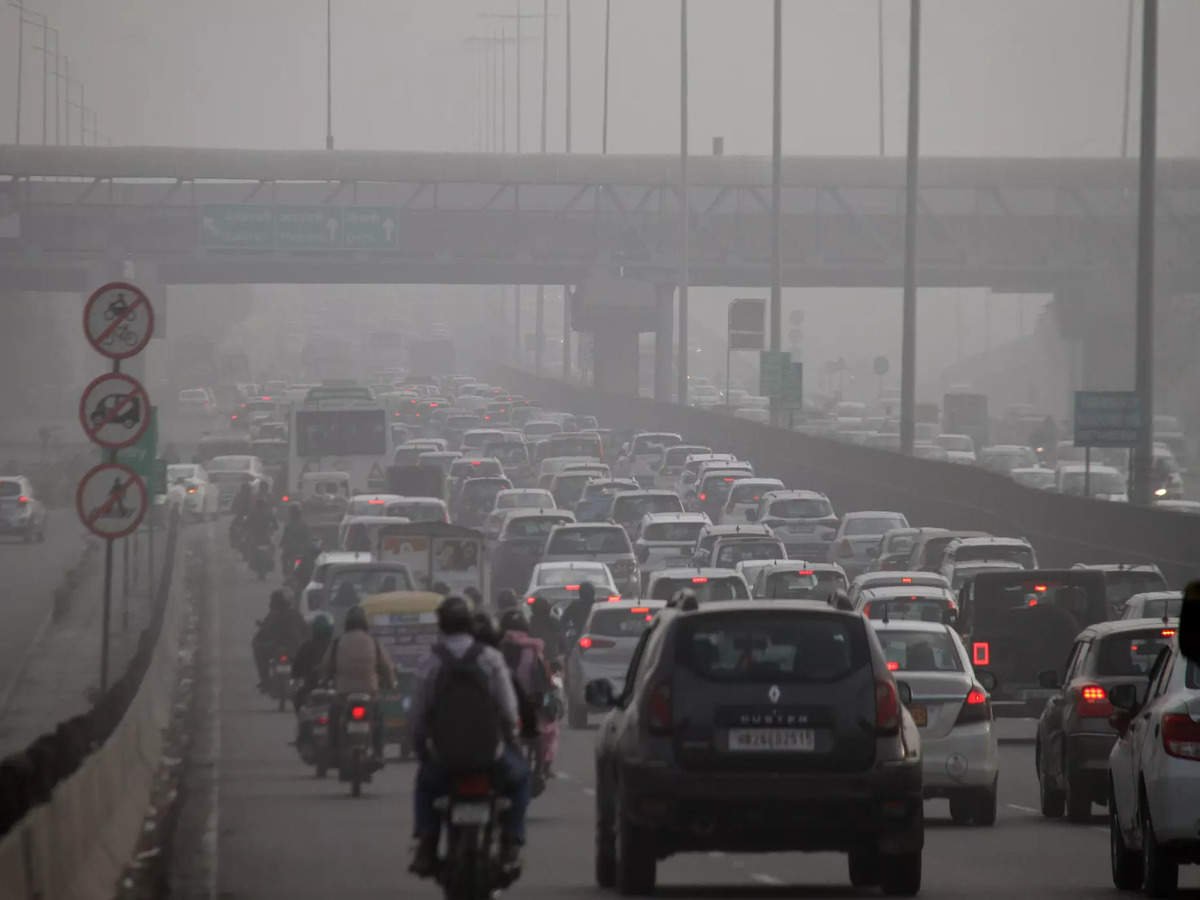
New Delhi, October 26: Air pollution in Delhi has long been recognized as harmful, especially to our lungs. However, recent research shows this environmental issue goes further, affecting mental health significantly. This article delves into why this is concerning, the mechanisms at play, and the urgent need for action.
Understanding the Mental Health Crisis: Why Mental Health Matters
Mental health is vital for our overall well-being, shaping our thoughts, feelings, and behaviors. The World Health Organization highlights that good mental health is essential for a fulfilling life. In a city like Delhi, where air pollution levels often exceed safe thresholds, the implications for residents’ mental wellness are serious.
Why Air Quality Affects Mental Well-Being
Studies reveal that poor air quality correlates with higher rates of anxiety, depression, and other mental health disorders. Pollutants like particulate matter (PM2.5) can trigger brain inflammation, leading to cognitive decline and emotional difficulties. This link emphasizes the urgent need to treat air pollution as a public health concern.
The Science Behind Pollution and Mental Health: How Pollutants Enter the Brain
Airborne pollutants can enter our bodies through breathing, eventually reaching the bloodstream and the brain. Research indicates that these substances may cause oxidative stress and inflammation, which negatively affect mental health. Understanding how these pathways work is crucial to recognize the influence of environmental factors on our psychological well-being.
The Role of Stress and Anxiety
Living in an environment with high pollution levels often leads to chronic stress, worsening mental health problems. Those exposed to such conditions frequently report feelings of anxiety and helplessness about their health and future. This heightened stress can create a harmful cycle, harming both mental and physical health.
The Societal Implications of Poor Air Quality: Why We Should Care
The effects of air pollution on mental health go beyond individual struggles; they challenge society as a whole. Rising mental health issues can lead to increased healthcare costs, lost productivity, and a decrease in overall quality of life. Tackling air pollution is not just a health necessity; it’s also vital for economic well-being.
How Communities Can Respond
Communities must rally for cleaner air policies and raise awareness about pollution’s mental health effects. Local organizations and grassroots movements can drive legislative changes and advocate for sustainable practices to improve air quality.
How To Handle The Situation?
Strong legislation is crucial to tackle air pollution and its mental health repercussions. Governments should enforce stricter emissions standards, invest in public transport, and promote renewable energy. By prioritizing environmental health, policymakers can greatly enhance life quality for all residents.
How Individuals Can Make a Difference
While systemic change is necessary, individuals can also contribute. Actions like reducing car usage, supporting local clean air campaigns, and pushing for better urban planning can help create a healthier environment. Collective efforts can lead to meaningful improvements in air quality and mental health.
The connection between air pollution and mental health is an urgent matter that needs immediate focus. As people in Delhi continue to face the fallout from poor air quality, we must recognize the larger implications for mental health. Addressing this dual crisis is essential for a healthier future for everyone.

















Leave a comment