


No Smoking Day 2026: Smoking is one of the biggest public health threats across the world, responsible for over 7 million deaths yearly, according to the World Health Organization (WHO). Although many people know about its long-term risks, a large population still decides to ignore sufferings from tobacco-related diseases.
When is No Smoking Day 2026?
To raise awareness about preventable diseases such as cancer, heart disease, stroke and chronic lung conditions associated with cigarette smoke, the WHO hosts ‘No Smoking Day’ every year on March 11. No Smoking Day is a significant reminder to all smokers that they should re-evaluate their behaviours and give up their habit to improve their health status.

Early warning signs of lung damage due to smoking
Cigarette smoke has thousands of chemicals capable of contaminating the lungs and airways. Smoking can lead to serious respiratory disease in the end, such as chronic obstructive pulmonary disease (COPD) and lung cancer. However, before the conditions develop, the body normally gives early warning signals that lungs are strained. The following are some of the symptoms of early lung damage resulting due to smoking:
- Persistent cough: One of the first and most frequent symptoms of lung irritation in smoking is a long-lasting cough. It is also commonly known as the cough of smokers, and it can result because of airways inflammation and mucus. When one coughs weeks or even more often, it is possible that the lungs are not able to get rid of the harmful elements of tobacco smoke.
- Shortness of breath: Feeling breathlessness when carrying out normal tasks like walking or going up staircases may be a sign of diminished lung capacity. Smoking harms the small air sacs in the lungs that are the ones that deal with oxygen and exchange of carbon dioxide. This damage can cause a problem with breathing over time and decrease physical strength.
- Recurrent respiratory infections: Smokers can have increased frequency of common cold, bronchitis or chest infection. The tobacco smoke disrupts the immune system of the respiratory system making it difficult to combat bacteria and viruses by the lungs. Recurrent infections can also result in inflammation and permanent destruction of lung tissue.
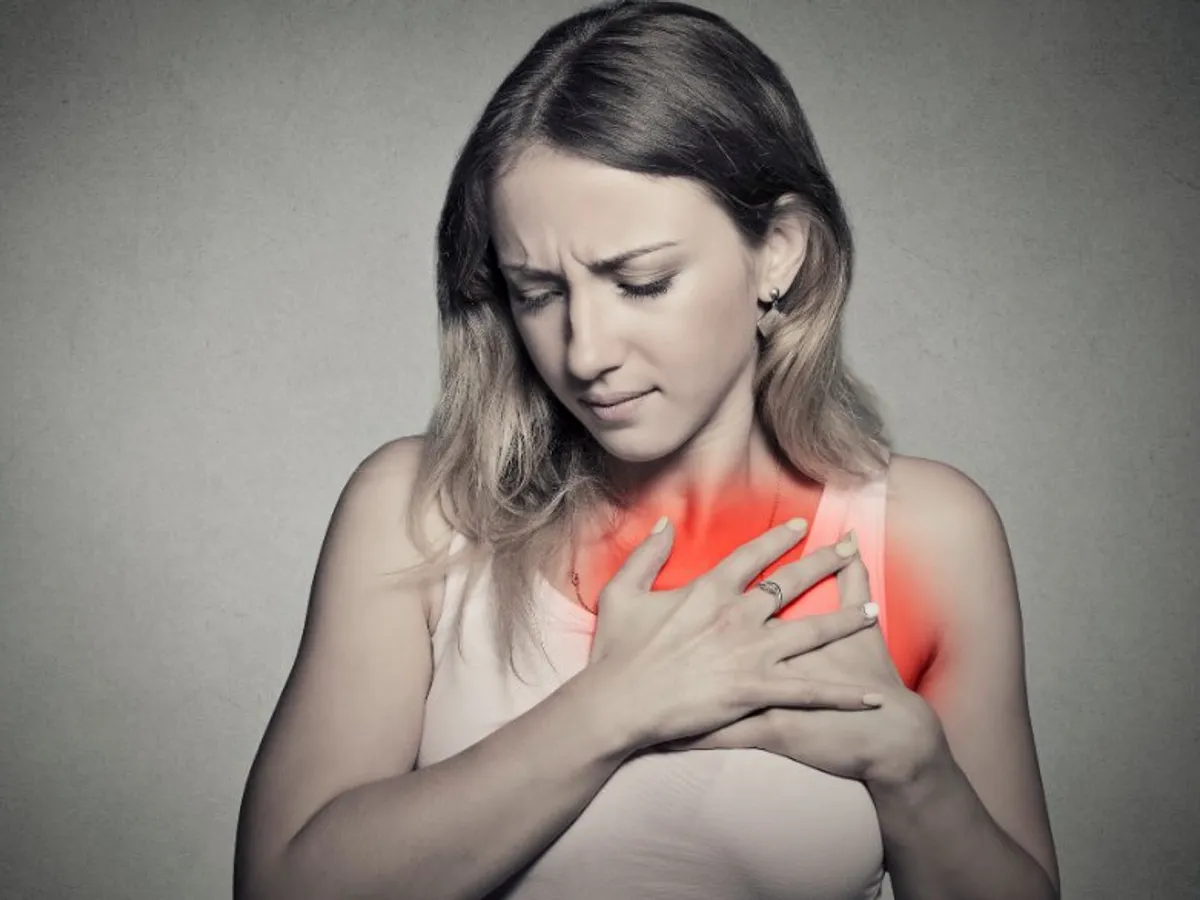
- Wheezing or chest tightness: Wheezing refers to a whistling noise during inhalation and is caused by the constriction or inflammation of airways. Breathing problems may also be accompanied by chest tightness or discomfort. These symptoms can be an indicator of irritation of the airways by smoke.
- Increased mucus production: Another obvious sign that indicates the smoking is influencing the health of the lungs is excessive mucus or phlegm. The lungs increase the amount of mucus secreted as a result of the irritation caused by cigarette smoke. Accumulation of mucus in the airways may cause coughing and difficulty in breathing.
DYK? Smoking can damage the lungs, which can turn the lung tissue a darker color than healthy lung tissue. Keep your lungs healthy—stay smoke free. #HealthyLungMonth pic.twitter.com/jdwfDnB5Z6
— PA Department of Health (@PAHealthDept) October 7, 2025
Who is at risk of lung disease?
Anyone who has a habit of smoking is at a higher risk of early lung damage. According to Dr. Vikas Mittal, Director – Pulmonologist, CK Birla Hospital, Delhi, young smokers are equally at risk of suffering early lung damage. He told Healthsite that many believe lung disease can only develop after more than one lifetime of smoking, but it can begin in that same decade.
Talking about how smoking can affect younger people differently, Dr. Mittal notes that these individuals find it more difficult to clear their airways and cough. He said that symptoms such as breathlessness from chest tightening and even mucus production are common in young adults. The Pulmonologist further suggests small changes in daily life such as noticing early signs and smoking cessation, can greatly increase the chances of better lung health in the future. It is important to note that developing chronic lung disease increases as smoking continues and the damage to the lungs increases.
Early detection is key to beating lung cancer! Modern screening technologies like low-dose CT scans can detect lung cancer before symptoms appear.
Get screened early!#ScreenForLife#BeatLungCancer pic.twitter.com/tM4AvATDnY— Ministry of Health (@MOH_Kenya) November 22, 2023
Tests or screenings to detect early lung damage
There are various examinations available to assess potential lung damage due to smoking. “One of the more common exams is a spirometry exam, which measures the performance of the lungs and their ability to inhale and exhale a certain amount of air within a given period of time. This type of exam is particularly useful for identifying early airway obstructions that are associated with chronic obstructive pulmonary disease (COPD),” said Dr. Mittal. “Other specialists may order a chest x-ray or a low-dose computed tomography (CT) scan for highly-smoking individuals as these tests assess structural changes within the lungs or other early abnormalities. Additionally, there are other exams, such as pulse oximetry or arterial blood gas tests, that evaluate the levels of oxygen in the blood. For smokers, check-up exams should be done frequently to assess lung damage and to facilitate the appropriate interventions to avoid the deteriorating disease of the person’s lungs.”
After quitting smoking lung functions recovers by 30% in 2weeks!
A on Timeline
From the moment you quit smoking, it only takes 20 minutes for your body to start undergoing beneficial changes.
20 … pic.twitter.com/7JPZFgFojV
— Dr. Akhil (@DrAkhilX) May 29, 2024
Can lungs recover after quitting smoking?
It is true that the lungs can also heal themselves as long as one quits smoking immediately after noticing the initial signs of lung damage. However, according to Dr. Mittal, the healing process is determined by how long one has been smoking, and how many cigarettes one has been taking.
“When a person stops smoking, no more damage occurs to the lung tissues and the healing process begins gradually. Special cells in the lungs begin to rebuild themselves, replacing the damaged cells lining the airway thus healing the lung tissue,” the Pulmonologist explained.
“The healing process begins immediately after a person stops smoking. Within two weeks to three months, lung function and circulation improve thus relieving a person of breathing difficulties.”
“In a short while the tiny hair-like structures called cilia heal thus enhancing the removal of mucus and other impurities from the lungs. For many people coughing and breathing difficulties diminish in three to nine months, with long-term recovery taking years,” he continued. “While some damage from long-term cigarette use is irreversible, quitting can greatly improve lung function and reduce the risk of serious diseases such as lung cancer and chronic lung disease.”
Keeping yourself active while quitting smoking can help keep your mind off cravings to smoke. For more ideas to help you stay quit, visit https://t.co/N6zYMofnEY. #WednesdayWisdom pic.twitter.com/fkvtnsjcsc
— CDC Tobacco Free (@CDCTobaccoFree) October 9, 2024
Ten habits to resist smoking urges
It may be difficult to quit smoking especially in the first couple of weeks people may experience craving and withdrawal symptoms. Though it is important to note that sudden cravings to smoke appear to be caused by stress, surroundings or routine activities while trying to quit. According to healthcare professionals these cravings are short-lived and can be handled using the appropriate strategies.
The Mayo Clinic indicates that the majority of smoking urges do not take even several minutes. You can also learn to distract yourself and acquire healthier coping mechanisms to help you resist the temptation of smoking and to remain determined towards quitting. Here are ten realistic tips suggested by the Mayo Clinic to help you control cravings to smoke:
- Delay the urge: When you get a craving, try to postpone smoking by at least 10 minutes. This method will help you get rid of the desire to smoke.
- Avoid triggers: The desire to smoke can be induced by certain circumstances like the use of alcohol, social events or stress. Temptation can be considered by identifying and preventing these triggers, particularly at the beginning of quitting.
- Stay physically active: You can also stay physically active to distract from craving for smoking, while it improves mood and reduces stress. Even such mini-tasks as taking a walk, stretching or climbing stairs can assist in overcoming the cravings.
- Practice deep breathing: Slow, deep breathing can be beneficial in relaxing the body and lessening the stress triggered by the urge to smoke.
- Drink water: Drinking water gradually may aid in the control of oral desires and keep your mouth busy.
- Chew something healthy: Occupying your mouth will help you feel like you are not craving to smoke. Consume chewing sugar-free gum, fresh fruits or crunchy vegetables to occupy your mouth.
- Remind yourself why you quit: Whether it is for your own health, to safeguard your family against secondhand smoke or to save money, reminding yourself why you are doing it will help you stay determined.
- Seek support: Friends, family members or support groups can also be motivated by talking to them.
- Try relaxation techniques: Smoking is a frequent stimulus of stress. Serenity techniques like meditation, yoga or listening to relaxing music could be used to cope with stress and eliminate the cravings.
- Nicotine replacement therapy to consider: Nicotine replacement therapy can also be used to alleviate withdrawal, which can be undertaken by some people by using patches, gum, lozenges, etc. The Mayo Clinic recommends a visit to a medical expert to decide the most appropriate alternative.
The process of smoking cessation is a slow process that usually needs reiteration and encouragement. Although cravings may be overwhelming at some point, most of them usually fade out in a few minutes. It is possible to keep people on track and move towards a smoke-free life by following practical recommendations outlined by the Mayo Clinic, including being active, avoiding triggers and seeking support, etc.
This content is only for informational purposes. It is not at all professional medical advice. Always consult your doctor or a healthcare specialist for any questions regarding your health or a medical condition.









Leave a comment