As concerns resurface following the detection of Nipah virus cases in parts of India and Bangladesh, global and national health authorities have urged the public to remain calm. The World Health Organization (WHO) has clarified that while Nipah virus is a serious zoonotic disease with a high fatality rate, the risk of widespread transmission remains low when standard public health measures are in place.
The reassurance comes amid heightened vigilance in South Asia, a region that has previously witnessed sporadic Nipah outbreaks. Health agencies are closely monitoring the situation, strengthening surveillance systems, and reinforcing hospital preparedness to ensure swift containment.
Understanding Nipah Virus
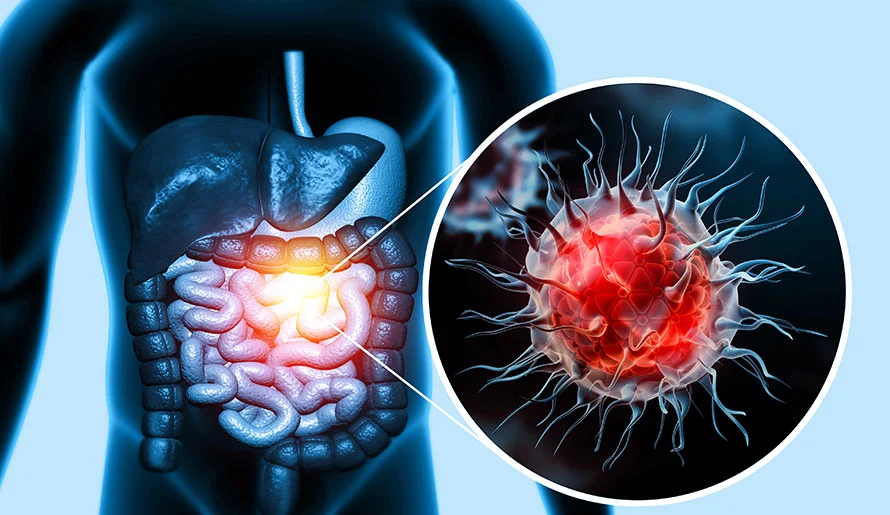
Nipah virus (NiV) is a zoonotic virus, meaning it can be transmitted from animals to humans. It was first identified during an outbreak in Malaysia in 1998–99. Fruit bats of the Pteropus genus, commonly known as flying foxes, are the natural reservoir of the virus. Human infections can occur through direct contact with infected animals, consumption of contaminated food such as raw date palm sap, or close contact with an infected person.
While Nipah infections are rare, they are often severe. Symptoms can range from fever, headache, and muscle pain to acute respiratory distress and fatal encephalitis (brain inflammation). The case fatality rate has varied between outbreaks, ranging from 40% to as high as 75%.
Recent Cases in India and Bangladesh
In recent weeks, isolated Nipah cases have been reported in India and Bangladesh, triggering concern among the public due to the virus’s history and high mortality rate. However, health authorities in both countries have emphasized that the cases were detected early and that contact tracing and isolation protocols were immediately activated.
According to WHO, there is no evidence of sustained human-to-human transmission in the current situation. Most previous outbreaks in South Asia were contained effectively through rapid response measures, and the present scenario appears to follow a similar pattern.
WHO’s Assessment: Why the Risk Is Low
The WHO has stated that the overall risk of Nipah virus spreading widely is low, primarily due to the nature of the virus and improved public health preparedness. Unlike airborne viruses such as COVID-19 or influenza, Nipah virus does not spread easily. Transmission typically requires close physical contact with bodily fluids of an infected person.
Moreover, outbreaks so far have been localized, often limited to families or healthcare settings where infection control measures were inadequate. With better awareness, improved hospital infection prevention practices, and quicker reporting systems, the chances of uncontrolled spread have significantly reduced.
India’s Preparedness and Past Experience
India has faced Nipah outbreaks before, particularly in Kerala, which reported cases in 2018, 2019, and subsequent years. These experiences have strengthened the country’s outbreak response mechanisms. Rapid testing, isolation wards, trained healthcare workers, and coordinated efforts between state and central health agencies have proven effective in containing previous outbreaks.
Health officials have reiterated that surveillance has been intensified in affected regions, and hospitals have been advised to report any suspected neurological or respiratory cases immediately. Public health teams are also monitoring bat populations and advising against consumption of potentially contaminated food.
Situation in Bangladesh
Bangladesh reports Nipah cases almost annually, often linked to the consumption of raw date palm sap contaminated by bats. Over the years, the country has implemented targeted interventions such as covering sap collection pots and conducting public awareness campaigns during peak seasons.
These measures have helped reduce transmission, and health authorities continue to stress the importance of avoiding raw sap and maintaining hygiene practices in rural communities.
Symptoms to Watch Out For
While panic is unnecessary, awareness remains crucial. Early symptoms of Nipah virus infection include:
- Fever and headache
- Muscle pain and weakness
- Vomiting or sore throat
- Dizziness or altered consciousness
In severe cases, patients may develop acute encephalitis, seizures, or respiratory distress within days. Health experts advise seeking immediate medical attention if symptoms appear, especially in individuals with known exposure risks.
No Vaccine, But Strong Prevention Tools
Currently, there is no approved vaccine or specific antiviral treatment for Nipah virus. Treatment is largely supportive, focusing on managing symptoms and complications. However, prevention strategies have proven highly effective.
Key preventive measures include avoiding contact with sick animals, refraining from consuming raw date palm sap or partially eaten fruits, maintaining hand hygiene, and using protective equipment in healthcare settings. Public cooperation with health advisories plays a critical role in containment.
Why Panic Can Be Harmful
Health experts warn that unnecessary panic can strain healthcare systems and spread misinformation. Rumors and fear may discourage people from seeking timely medical care or cooperating with contact tracing efforts.
WHO and national health agencies stress that calm vigilance—not alarm—is the best response. Transparent communication, responsible media reporting, and public trust in health institutions are essential during such events.
The current Nipah situation underscores the importance of sustained surveillance and a One Health approach that integrates human, animal, and environmental health. Climate change, deforestation, and increasing human–animal interaction may raise the risk of zoonotic spillovers, making preparedness more critical than ever.
For now, experts agree that the situation is under control. With early detection, robust public health systems, and informed communities, Nipah virus outbreaks can be contained effectively without escalating into widespread health emergencies.
Bottom line: Nipah virus remains a serious disease, but the risk of large-scale spread is low. Staying informed, following official guidance, and avoiding panic are the most effective ways to protect public health.