The world is once again standing at a fragile crossroads of public health. Nipah virus alerts in India, the resurgence of measles, a renewed rise in influenza cases, and a changing global health order with the United States stepping away from the World Health Organization (WHO) while Canada remains committed—these developments are not isolated. Together, they signal deeper vulnerabilities in disease surveillance, vaccination systems, and international cooperation.
Health experts warn that what we are witnessing is not the start of one single pandemic, but the unraveling of multiple layers of protection that once kept infectious diseases in check.
Nipah Virus in India: A Persistent and Deadly Threat
India’s repeated encounters with the Nipah virus over the past few years have underscored how dangerous zoonotic diseases can be when they cross from animals to humans. Nipah, a virus carried primarily by fruit bats, has an extremely high fatality rate, often ranging between 40% and 75%.
Unlike respiratory viruses, Nipah spreads mainly through direct contact with infected animals, contaminated food, or close human-to-human contact, particularly in healthcare settings. While this limits its ability to spread widely, it also makes containment heavily dependent on rapid detection and strict public health measures.
Each Nipah alert in India has required:
- Aggressive contact tracing
- Quarantine of high-risk individuals
- Hospital infection-control measures
- Public cooperation
Experts note that India has so far prevented large-scale outbreaks, but the recurring nature of Nipah cases suggests that the virus is not going away. Climate change, deforestation, and expanding human–animal interactions are increasing the likelihood of spillover events, making Nipah a long-term concern rather than a one-time emergency.
Measles: The First Domino to Fall
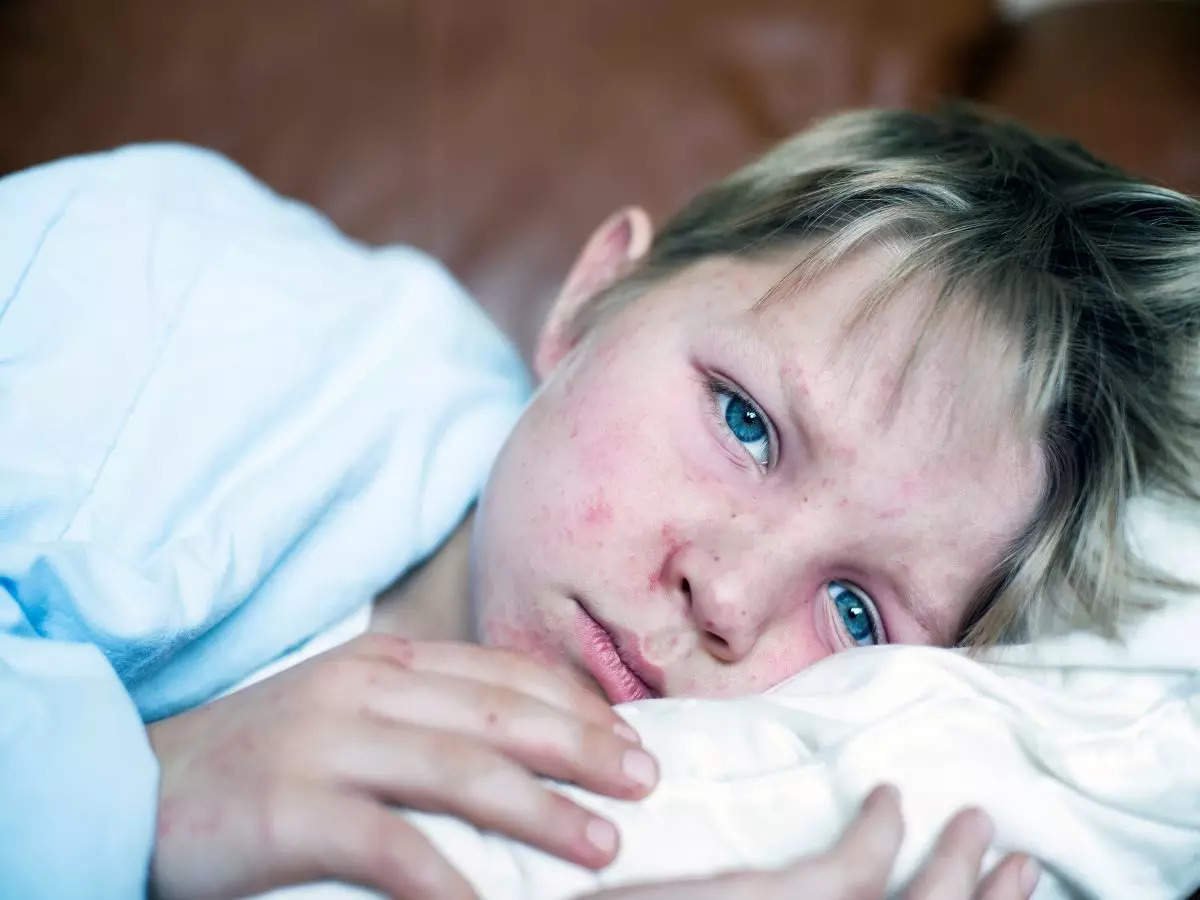
If Nipah represents the danger of emerging diseases, measles represents the collapse of protection against known, preventable illnesses. Once on the verge of elimination in many parts of the world, measles has staged a troubling comeback.
Public health specialists describe measles as the “canary in the coal mine” of immunization systems. Because it is one of the most contagious viruses known, even small drops in vaccination coverage can lead to outbreaks.
The resurgence of measles highlights several alarming trends:
- Disruptions in routine immunization during the COVID-19 pandemic
- Vaccine hesitancy fueled by misinformation
- Gaps in healthcare access in marginalized communities
Measles outbreaks are not just dangerous on their own. Infection can cause immune amnesia, weakening a child’s immune system for months or even years, increasing susceptibility to other infections. In this sense, measles becomes the first building block to fall, opening the door for additional outbreaks of other diseases.
Influenza Is Rising Again—and It’s Different This Time
Influenza never truly disappears, but recent trends show that flu activity is rising again after a period of relative suppression during pandemic-related masking and distancing.
Doctors are now seeing:
- Longer and more severe flu seasons
- Higher hospitalization rates in children and older adults
- Co-infections with other respiratory viruses
What makes the current flu resurgence concerning is the reduced population immunity. During COVID-19 lockdowns, many people were not exposed to influenza viruses, leading to an immunity gap—especially in young children.
Healthcare systems already stretched by chronic disease burdens now face seasonal surges that resemble mini-crises, particularly when flu overlaps with COVID-19 or RSV. Experts warn that without robust vaccination uptake and surveillance, flu could become a persistent pressure point rather than a predictable seasonal illness.
A World of Many Outbreaks, Not One Pandemic
One of the most important shifts in global health thinking is the realization that the next crisis may not look like COVID-19. Instead of one dominant virus sweeping the globe, experts foresee a future of multiple simultaneous outbreaks, each stressing systems in different ways.
This “polycrisis” model includes:
- High-fatality zoonotic viruses like Nipah
- Vaccine-preventable diseases like measles
- Endemic seasonal infections like influenza
- Antibiotic-resistant bacteria
Each alone may be manageable, but together they strain healthcare capacity, public trust, and political will.
The WHO at a Crossroads: US Out, Canada In
At the center of global disease preparedness stands the World Health Organization (WHO)—an institution designed to coordinate surveillance, share data, and guide responses across borders.
The decision by the United States to step away from the WHO has raised serious concerns among global health experts. The US has historically been one of the organization’s largest funders and a key driver of research, outbreak response, and technical support.
In contrast, Canada’s continued commitment to the WHO signals a belief that multilateral cooperation remains essential, especially in an era where diseases do not respect borders.
The divergence exposes a larger issue: global health security depends on cooperation, not isolation. Surveillance gaps in one country can quickly become risks for others, as seen repeatedly in recent decades.
Why Fragmentation Is Dangerous
When major global players disengage from shared health institutions, the consequences ripple outward:
- Slower detection of outbreaks
- Reduced funding for low-income countries
- Fragmented data sharing
- Delayed coordinated responses
Diseases like Nipah, measles, and influenza thrive in these gaps. Public health experts stress that pathogens exploit political divisions far more efficiently than humans exploit cooperation.
Climate Change, Urbanization, and Disease Spread
Adding another layer of complexity is the role of climate change and rapid urbanization. Rising temperatures, deforestation, and changing rainfall patterns are altering how viruses circulate among animals and humans.
These forces:
- Increase human contact with wildlife reservoirs
- Expand mosquito and bat habitats
- Disrupt traditional disease seasonality
Nipah outbreaks, for instance, are increasingly linked to ecological disruptions. Meanwhile, crowded cities provide fertile ground for respiratory viruses like flu and measles to spread rapidly.
Are Health Systems Prepared?
Many countries strengthened surveillance and emergency response during COVID-19, but those gains are now under threat due to:
- Budget cuts
- Pandemic fatigue
- Workforce burnout
- Public mistrust
Experts warn that preparedness is not a one-time investment. It requires continuous funding, training, and public engagement, especially when multiple diseases are circulating simultaneously.
What Needs to Happen Now
To prevent cascading health crises, experts emphasize several priorities:
- Restore and expand routine vaccination programs
- Strengthen zoonotic disease surveillance
- Invest in local healthcare infrastructure
- Rebuild public trust through transparent communication
- Reinforce international cooperation, not retreat from it
Preparedness, they argue, is not about fear—it is about resilience.
Nipah alerts in India, measles outbreaks, rising flu cases, and fractures in global health governance are not signs of inevitable disaster, but they are clear warnings. The systems that once kept outbreaks rare and contained are under strain.
Whether the coming years are defined by repeated crises or renewed stability will depend on choices made now—by governments, institutions, and communities alike. In a world of interconnected risks, health security is only as strong as its weakest link, and rebuilding that chain may be one of the most urgent challenges of our time.