

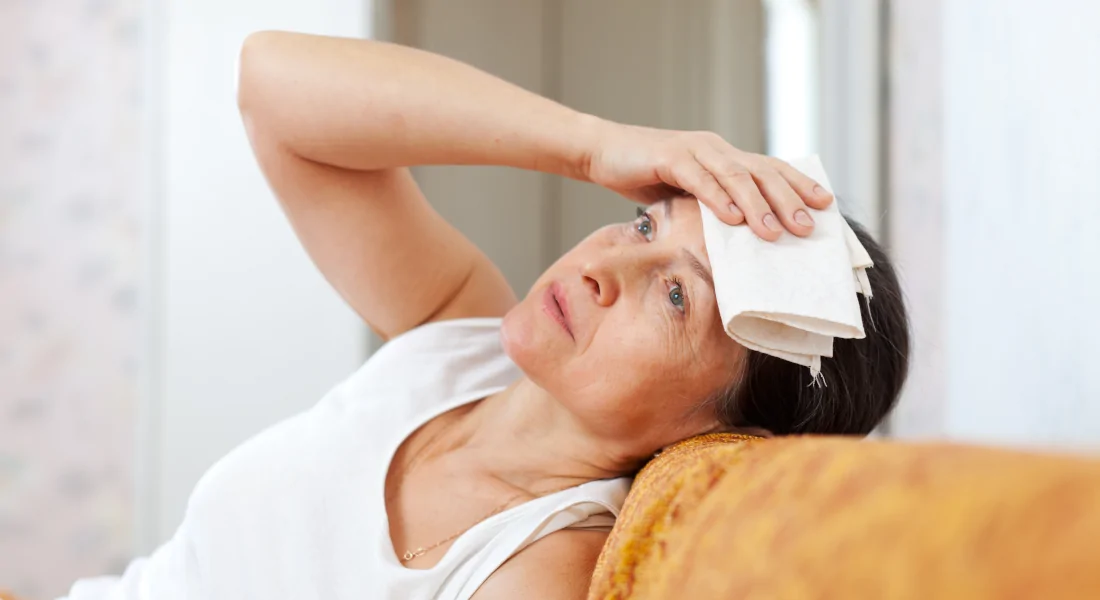
It is unpleasant and even frightening to wake up soaked in sweat. Although occasional night sweats can be attributed to room temperature or excessive bedding when you are constantly getting incidences of night sweats then it might be a symptom of a health condition. Health experts insist that night sweats should not be overlooked particularly when they are accompanied by other symptoms.
What are night sweats?
Night sweats are excessive sweating during sleep that is so intense that it can wet clothes or bedding. The true night sweats as described by the Mayo Clinic do not always relate to environmental factors and can be associated with health conditions or hormonal variations.
Seven causes of nighttime sweating
- Hormonal changes (menopause): Menopause is one of the most widespread causes of night sweats in women. The hot flashes and excessive sweating at the time of sleep can be caused by fluctuating estrogen levels.
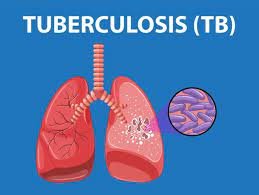
- Infections: Night sweats may be caused by some infections where the body is fighting off an illness. The Centres for Disease Control and Prevention (CDC) conditions like tuberculosis, HIV and bacterial infections are usually attributed to excessive sweating at night.
- Anxiety and stress: According to the National Institutes of Health (NIH) anxiety and stress cause the body to respond to the fight-or-flight reactions which contribute to the body sweating during sleep as well.
- Drugs: Night sweats may also occur as a side effect of some drugs such as antidepressants and other drugs that reduce fever. Healthcare professionals claim that excessive sweating can be caused by alterations in the normal body temperature control caused by medication.
- Diabetes and low blood sugar: Diabetic individuals can have night sweats because of low blood sugar (hypoglycaemia). The World Health Organization (WHO) emphasizes the need to control the level of sugar in the blood so as to avoid complications such as the symptom of sweating.
- Hormonal disorders: Night sweats may also be caused by disorders of hormone secretion like thyroid disorders. According to experts hyperthyroidism which is an excessive activity of thyroid can lead to excess sweating with an increase in body temperature and metabolism.
- Certain Cancers: There are also cases where night sweats can be associated with serious conditions like lymphoma. Experts note that night sweats that are unexplainable particularly in combination with weight loss or fever need to be assessed by a physician.
When is it time to visit the doctor?
Sweating every now and then is usually not harmful but healthcare professionals recommend medical consultation in case of night sweats:
- Occur frequently
- Break your sleep habit
- Have a fever, weight loss or incessant fatigue
How to manage night sweats
Experts recommend night sweats can be managed through lifestyle modification or treatment depending on the cause. It includes:
- Having a cool or ventilated bedroom
- Using light clothes with good breathability
- Avoiding spicy foods, caffeine and alcohol before bed
- Dealing with stress using relaxation methods
Disclaimer: The information provided in this article by Healthwire Media is for general informational and educational purposes only. It is not intended to replace professional medical advice, diagnosis, or treatment. While we strive to provide accurate and up-to-date information based on trusted sources such as WHO, Mayo Clinic, and government health guidelines, medical information can change over time. Always consult a qualified doctor or healthcare professional before making any health-related decisions, especially if you have any existing medical conditions or concerns. Do not ignore or delay seeking medical advice based on information you have read on this website. For more details, please read our full Medical Disclaimer page.












Leave a comment