

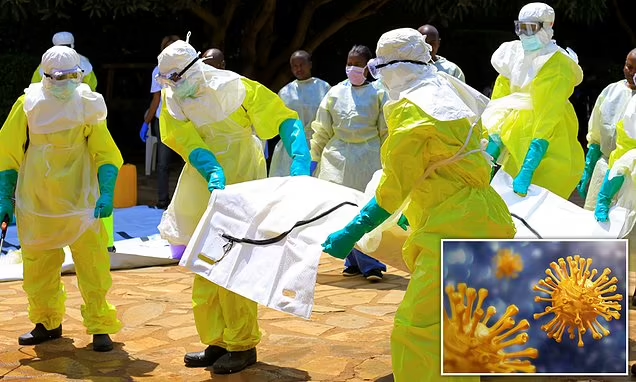
New Delhi, 12 December 2024: A mysterious illness, now referred to as “Disease X,” has emerged as a grave concern, spreading rapidly in the Democratic Republic of Congo (DRC). This unknown infection has claimed the lives of many, predominantly children, and has infected over 400 people, raising alarm among health authorities worldwide.
What Is ‘Disease X’?
The term “Disease X” is used by the World Health Organization (WHO) to describe a hypothetical disease caused by a pathogen that is currently unknown to scientists but has the potential to cause a severe epidemic. This new illness in the DRC fits this description, as its exact cause and transmission mode remain unidentified. The outbreak has garnered significant attention due to its high fatality rate and rapid spread.
Symptoms Observed in Disease X
While the illness remains under investigation, patients have exhibited symptoms such as:
— High fever
— Severe fatigue
— Respiratory distress
— Gastrointestinal issues, including diarrhea and vomiting
— Unexplained bleeding in some cases
Children, who form the majority of the affected population, are experiencing the most severe symptoms, leading to a high mortality rate among this vulnerable group.
Current Status of the Outbreak
According to health officials, over 400 cases have been reported, with fatalities primarily concentrated among children. Local hospitals in the DRC are overwhelmed with patients, and the healthcare system, already fragile due to ongoing conflict and limited resources, is struggling to cope with the outbreak.
Global health authorities, including WHO, have dispatched emergency teams to the affected areas to investigate the disease and contain its spread. However, poor infrastructure and remote locations pose significant challenges to their efforts.
Possible Causes and Concerns
Experts speculate that the disease could be zoonotic, meaning it originated from animals and spread to humans, as is often the case with emerging infectious diseases. The dense forests and high biodiversity in the DRC make it a hotspot for such diseases. However, without confirmed laboratory findings, the cause remains a mystery.
The rapid spread and fatality of Disease X have sparked fears of a potential global health crisis. The situation underscores the urgent need for robust surveillance systems, early detection, and coordinated international efforts to combat emerging infectious diseases.
Preventive Measures and Global Response
WHO has issued guidelines for preventing further spread, emphasizing the importance of:
— Practicing good hygiene
— Avoiding contact with infected individuals
— Seeking immediate medical attention if symptoms appear
Efforts are underway to collect and analyze samples from patients to identify the pathogen. Governments and health organizations are also scaling up community awareness campaigns in affected regions to educate the public about preventive measures.
The Broader Implications
The emergence of Disease X serves as a stark reminder of the ongoing threat posed by emerging and re-emerging infectious diseases. It highlights the critical need for investment in global health security, research into novel pathogens, and preparedness for future pandemics.
As health authorities race to understand and contain this deadly outbreak, the world watches with bated breath. The tragic loss of lives, especially among children, underscores the importance of vigilance and international cooperation in addressing public health emergencies. Disease X is a wake-up call to strengthen global health systems and prepare for the unknown challenges that lie ahead.















Leave a comment