

New Delhi, 25 December 2024: The World Health Organization (WHO) has sounded the alarm over the escalating Mpox (formerly known as monkeypox) situation in Africa, describing it as a significant public health concern. Despite efforts to contain the disease globally, Africa continues to face a disproportionate burden of Mpox infections, revealing deep-rooted healthcare inequalities and challenges in disease management across the continent.
A Persisting Crisis in Africa
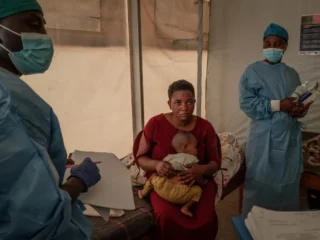
The WHO recently highlighted that Mpox, a viral zoonotic disease, remains endemic in several African countries, including the Democratic Republic of Congo (DRC), Nigeria, and Central African nations. The disease, characterized by fever, skin rashes, and swollen lymph nodes, has caused widespread outbreaks, with cases often going unreported due to limited healthcare infrastructure and surveillance systems.
While global cases of Mpox have declined in 2023 due to successful vaccination campaigns and public awareness efforts in high-income countries, the situation in Africa has not seen similar improvements. According to WHO officials, Africa accounted for the majority of Mpox-related deaths in 2023, underscoring the urgent need for targeted interventions.
Challenges in Containment
The ongoing Mpox crisis in Africa can be attributed to several factors. Firstly, limited access to vaccines and antiviral treatments has hampered the region’s ability to control the spread of the virus. Unlike wealthier nations that have rapidly rolled out vaccination programs, African countries have struggled with supply chain issues and funding constraints.
Secondly, a lack of public awareness about Mpox symptoms and transmission routes has contributed to delayed diagnosis and treatment. The stigma surrounding the disease also discourages individuals from seeking medical help, further complicating containment efforts.
Dr. Matshidiso Moeti, WHO Regional Director for Africa, emphasized, “Mpox is a preventable and treatable disease, but inequities in access to healthcare and resources are leaving African nations vulnerable. We must act swiftly to close these gaps.”
Mpox Outbreak: Calls for Global Support
The WHO has called on the international community to increase support for African countries battling Mpox. This includes providing financial aid, medical supplies, and technical expertise to strengthen disease surveillance, improve vaccination coverage, and educate communities about the disease.
Additionally, WHO officials are advocating for greater transparency and coordination among nations to ensure equitable distribution of Mpox vaccines. “The global response to Mpox must be inclusive. No country should be left behind in the fight against this disease,” said Dr. Moeti.
Efforts are also underway to develop locally produced vaccines and treatments in Africa, which could play a crucial role in addressing the region’s healthcare disparities. Organizations like the African Union and the Africa Centres for Disease Control and Prevention (Africa CDC) are working closely with WHO to accelerate these initiatives.
Mpox Outbreak: Impacts Beyond Health
The Mpox crisis has far-reaching implications beyond public health. Economically, the outbreaks have strained already fragile healthcare systems and diverted resources from other critical health priorities, such as malaria and tuberculosis. Socially, the stigma associated with Mpox has fueled discrimination and misinformation, particularly against vulnerable communities.
The situation also raises concerns about the potential for Mpox to spread beyond Africa’s borders. Experts warn that if the disease remains uncontrolled in endemic regions, it could re-emerge as a global threat, as seen during the 2022-2023 outbreaks.
To tackle the Monkeypox crisis effectively, African nations need a multi-faceted approach that combines public health interventions, community engagement, and international collaboration. Strengthening healthcare infrastructure, improving disease surveillance, and addressing vaccine inequities are critical steps to reduce Monkeypox transmission and protect vulnerable populations.
Community-based education campaigns are also essential to dispel myths about Monkeypox and encourage early diagnosis and treatment. By empowering individuals with accurate information, health authorities can reduce stigma and foster a culture of prevention.
The WHO has reiterated its commitment to supporting African countries in their fight against Monkeypox. However, global solidarity will be key to achieving lasting progress. As Dr. Moeti aptly stated, “Monkeypox is a shared challenge that demands a shared solution.”











Leave a comment