

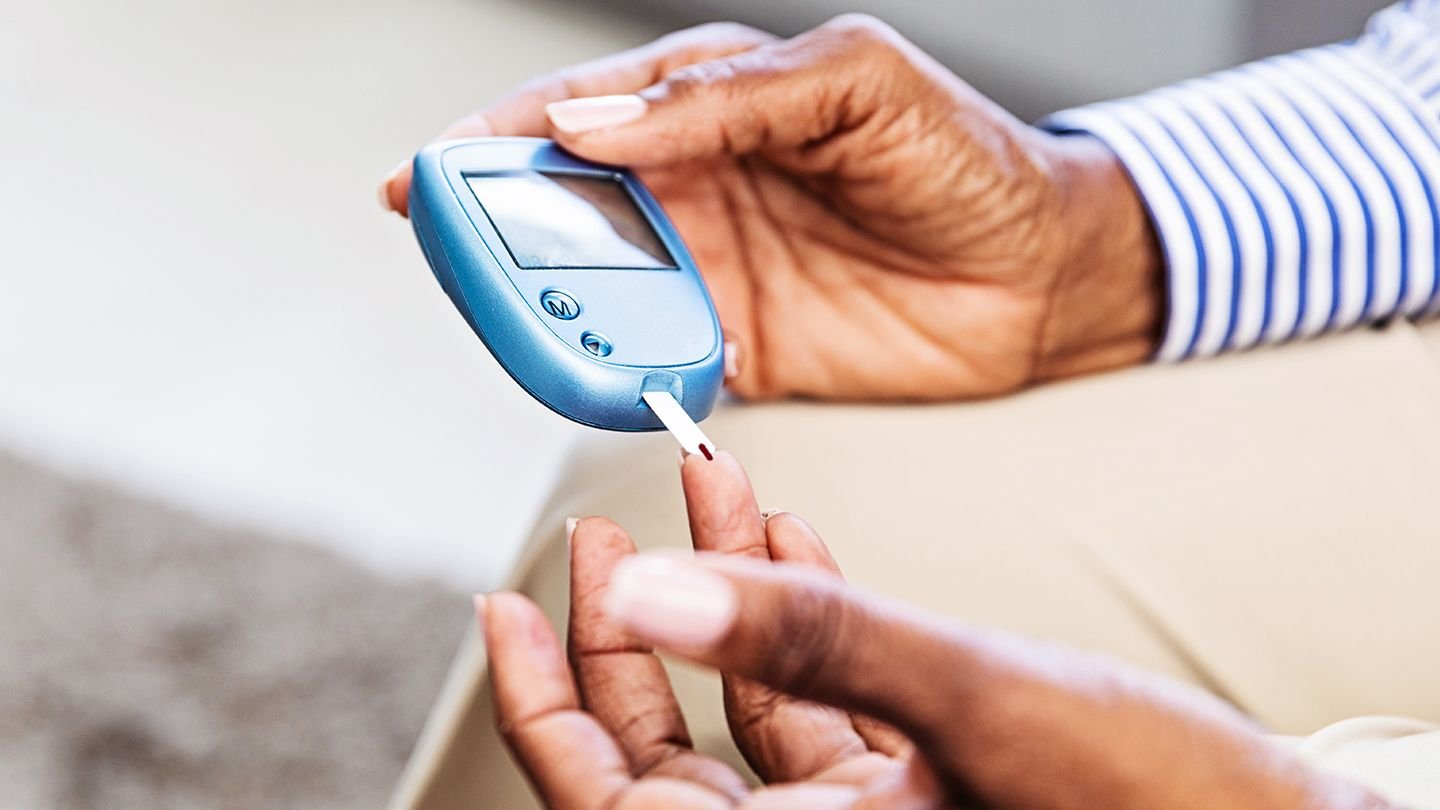
Summertime often spells fun under the sun, yet for those dealing with diabetes, they face distinctive obstacles. When the mercury starts to climb, complications related to increased blood sugar levels also emerge. Appreciating and identifying these signs of blood sugar spikes during the summer is a crucial part of controlling diabetes.
The Role of Heat in Blood Sugar Fluctuation
Outdoorsy summer can dramatically influence blood sugar levels causing unusual changeability. In scorching hot temperatures, the risk of dehydration increases, which triggers the release of stress hormones that push blood sugar levels upward. Furthermore, with the sun blazing, the way the body absorbs insulin also alters, adding another layer of difficulty in blood sugar regulation.
Symptoms of High Blood Sugar
Beware of these subtle signs of high blood sugar levels during summer:
- Unquenchable Thirst and Frequent Toilet Use
Frequently feeling parched and needing to urinate more are classic signs of high blood sugar. While it’s always important to stay hydrated in summer, if you’re excessively thirsty and always headed for the loo, it might be your body signaling high sugar levels. Keeping an eye on your fluid intake and bathroom visits will give an insight into blood sugar spikes.
- Lack of Energy and Strength
Elevated sugar levels can make one feel worn out and weak, hindering their summer activities. This low energy state affects their enthusiasm and capability for outdoor games or exercise.
- Imperfections in Vision
A cloudy vision is another unexpected symptom of high blood sugar often observed during the summer. Changes in blood sugar levels can affect eyesight, causing temporary visual disturbances. If a blurry vision persists, it’s advisable to get a healthcare professional’s opinion.
- Slow Recovery Time
People with diabetes might find their cuts and injuries take a longer healing time during the summer due to high blood sugar. As these levels spike, the body’s healing capacity takes a hit, heightening the probability of complications from even minor wounds.
- Disturbed Skin Health
Scorching summers can further aggravate the skin health of individuals with diabetes, leading to parched skin and a higher possibility of skin infections. Increased sugar levels compromise the skin’s moisture retention capability, making it more prone to infections and skin problems.
Dealing with High Blood Sugar in Summer
Handling high blood sugar in summer requires careful hydration, regular blood sugar checks, and seeking medical guidance in case of typical symptoms. Keeping cool, steering clear from long durations in high temperatures, and adjusting insulin dosages when needed, are all part of the diabetes management repertoire for the summer season.
















Leave a comment