

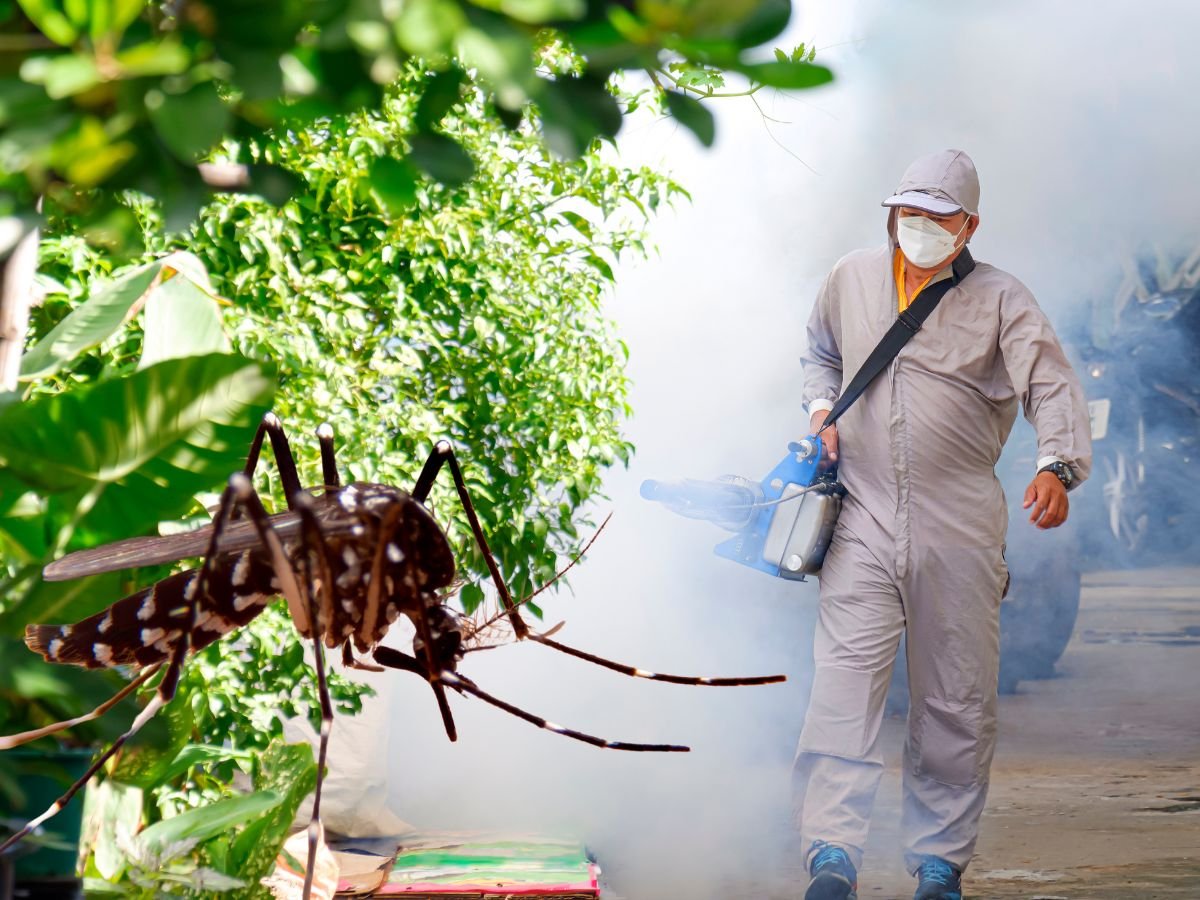
New Delhi, 03 September 2025: Mumbai is witnessing a significant spike in cases of mosquito-borne illnesses such as malaria and chikungunya, raising alarm among health experts and residents alike. With the monsoon continuing to bring heavy rains, the city is grappling with stagnant water and unhygienic conditions—perfect breeding grounds for disease-carrying mosquitoes. In response, civic authorities have intensified their vector-control operations, fumigation drives, and awareness campaigns to curb the spread.
Rising Cases of Malaria and Chikungunya
Every year, Mumbai faces a surge in vector-borne diseases during the monsoon season, but this year the rise has been sharper than expected. Data from the civic health department shows a marked increase in both malaria and chikungunya cases across several wards of the city.
- Malaria: Cases have gone up steadily, with a sharp rise observed since the onset of August rains. Health officials warn that localized outbreaks in slum clusters and densely populated areas are driving the surge.
- Chikungunya: Though generally reported in smaller numbers compared to malaria, chikungunya has also seen a worrying rise this season. Patients typically complain of high fever, severe joint pain, headaches, and fatigue—symptoms that sometimes linger for weeks.
Doctors caution that both diseases may overlap with viral fever and dengue symptoms, making diagnosis difficult without proper testing.
Why Are Cases Increasing?
Several factors are contributing to the rise in mosquito-borne illnesses in Mumbai this year:
- Heavy Rains & Waterlogging – Persistent showers have left behind large pools of stagnant water, a breeding ground for the Anopheles mosquito (carrier of malaria) and the Aedes aegypti mosquito (carrier of chikungunya and dengue).
- Urban Congestion – The city’s dense population, slum clusters, and limited drainage infrastructure worsen the risk of outbreaks.
- Climate Change – Experts note that erratic rainfall patterns, rising humidity, and warmer temperatures are increasing mosquito populations and prolonging breeding cycles.
- Low Awareness & Delayed Reporting – Many patients ignore early symptoms or rely on home remedies, delaying treatment and raising chances of wider transmission.
Authorities Step Up Disease Control Drive
In light of the surge, municipal authorities have launched a multi-pronged campaign to prevent further spread:
- Fumigation and Fogging: Thousands of households across high-risk areas are being targeted in regular fumigation and fogging operations. The aim is to kill adult mosquitoes and reduce transmission.
- Larvicide Spraying: Chemical treatment is being applied to open drains, water bodies, and construction sites to destroy larvae.
- Source Reduction: Officials are urging residents to eliminate stagnant water in their homes—flowerpots, water tanks, and discarded containers are being checked.
- Public Awareness Campaigns: Door-to-door visits, posters, and announcements are spreading awareness about preventive measures such as using mosquito nets, repellents, and covering stored water.
- Medical Readiness: Hospitals have been instructed to prepare for a potential surge in patients. Fever clinics and testing facilities are being strengthened to ensure quick diagnosis.
Symptoms and Warning Signs
Medical experts are urging residents to remain vigilant for early symptoms of malaria and chikungunya.
- Malaria Symptoms: High fever, chills, shivering, sweating, body ache, and headaches. Severe cases may lead to complications like anemia, jaundice, or even organ damage.
- Chikungunya Symptoms: Sudden onset of fever, rashes, nausea, headache, and extreme joint pain that may last for weeks or months.
Since these diseases share similarities with dengue and viral flu, doctors recommend immediate testing if fever persists beyond two days.
Preventive Measures for Residents
While the authorities are working round-the-clock, individual responsibility plays a crucial role. Health experts recommend the following steps to keep mosquitoes at bay:
- Do not allow water to stagnate in containers, air coolers, and roof gutters.
- Use mosquito repellents, nets, and protective clothing.
- Cover water storage tanks tightly.
- Change water in flowerpots and birdbaths frequently.
- Seek immediate medical attention if fever or joint pain persists.
Lessons From Past Outbreaks
Mumbai has historically been vulnerable to outbreaks of malaria, dengue, and chikungunya during monsoon months. However, proactive measures such as early fumigation, timely testing, and aggressive awareness campaigns have proven effective in reducing cases in past years. Authorities are hoping that these strategies, coupled with public participation, will contain the current surge.
Experts Warn Against Complacency
Public health specialists warn that while authorities’ efforts are commendable, sustained action is necessary. They stress that controlling mosquito breeding at the household and community level is key. Without citizen cooperation, even large-scale drives may fall short.
Additionally, climate change and rapid urban development are expected to increase mosquito-borne disease risk in the coming years. Experts are calling for long-term investments in drainage systems, urban planning, and health infrastructure.
Mumbai’s battle with malaria and chikungunya is a reminder of how seasonal illnesses continue to challenge urban healthcare systems. While civic authorities have intensified fumigation, fogging, and awareness campaigns, the cooperation of citizens is crucial to prevent an escalation. Eliminating stagnant water, using mosquito protection, and seeking timely treatment can go a long way in curbing the spread of these diseases.
For now, the city remains on high alert as health teams work relentlessly to control the surge. Residents are being urged to remain vigilant, adopt preventive practices, and report symptoms early—because the fight against malaria and chikungunya is not just a government responsibility, but a community one.















Leave a comment