

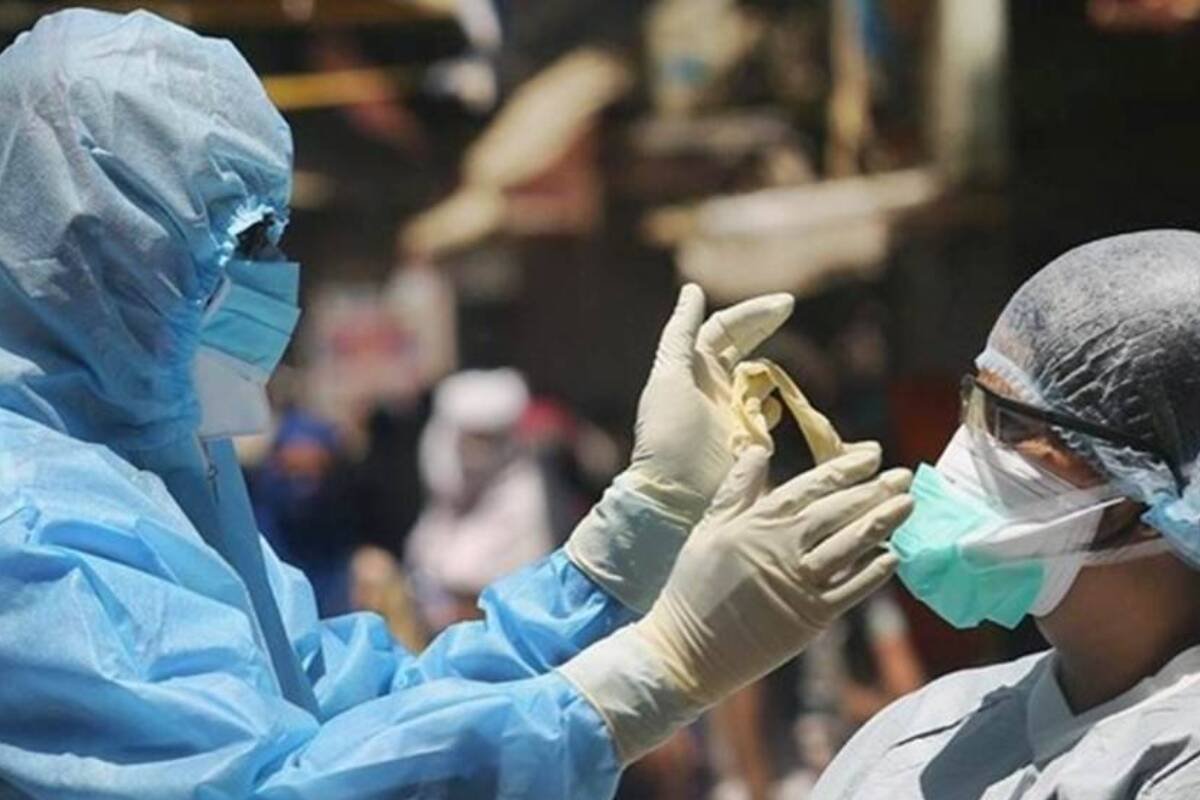
New Delhi, 07 December 2024: A mysterious flu-like illness has claimed the lives of at least 79 people in the Democratic Republic of Congo (DR Congo), prompting authorities to issue a high alert. The outbreak, reported from several remote areas, has triggered significant concern as the symptoms and rapid spread of the illness remain unexplained. The World Health Organization (WHO) has dispatched a team of experts to assist local health authorities in identifying the disease and containing the outbreak.
Symptoms and Spread of the Mysterious Illness
Reports indicate that the illness manifests with flu-like symptoms, including high fever, fatigue, headaches, and respiratory complications. In severe cases, patients experience rapid deterioration, with many succumbing within days of symptom onset. The disease appears to spread quickly within households and communities, raising concerns about its transmissibility.
The affected regions, primarily rural and underdeveloped, have limited access to healthcare facilities, which has exacerbated the crisis. The high mortality rate and the absence of a clear diagnosis have added to the anxiety among local populations and health authorities.
Response from Authorities and WHO Intervention
In response to the outbreak, DR Congo’s Ministry of Health has issued a high alert and initiated emergency measures to prevent further spread. Field teams have been deployed to the affected areas to collect samples, identify potential sources of infection, and provide immediate medical care to those showing symptoms.
The WHO, recognizing the gravity of the situation, has sent a team of epidemiologists, virologists, and public health specialists to assist in the investigation. Preliminary assessments are underway, including testing for known pathogens such as Ebola, Marburg, and other respiratory viruses. The WHO has also called for enhanced surveillance and community engagement to track and report new cases promptly.
Challenges in Managing the Outbreak
Containing the outbreak poses several challenges. The remote location of the affected areas, coupled with poor infrastructure, hampers the rapid deployment of medical teams and supplies. Additionally, misinformation and fear among local communities have made it difficult to implement preventive measures, such as isolation and hygiene practices.
Health officials are also grappling with a lack of diagnostic resources, making it challenging to determine the exact cause of the illness. Laboratories are conducting extensive testing to rule out known diseases, but the results are not yet conclusive.
Global Concern Over Emerging Diseases
This outbreak has sparked global concern about the potential emergence of a new pathogen. Experts warn that increasing interactions between humans and wildlife, driven by deforestation and climate change, are contributing to the rise of zoonotic diseases. The DR Congo, with its dense forests and biodiversity, is particularly vulnerable to such outbreaks.
The WHO has emphasized the need for global vigilance and investment in early detection systems to mitigate the impact of emerging infectious diseases. The current outbreak underscores the importance of international collaboration in addressing public health threats.
Urgent Need for Support and Awareness
Health officials in DR Congo are appealing for international support to strengthen their response capabilities. Resources such as diagnostic equipment, personal protective gear, and medical supplies are urgently needed. Public awareness campaigns are also being launched to educate communities about recognizing symptoms and seeking prompt medical attention.
The outbreak of this unknown flu-like disease in DR Congo is a stark reminder of the challenges posed by emerging infectious diseases. While efforts are underway to identify and contain the illness, the high mortality rate and rapid spread underscore the need for robust health systems and international cooperation. As the world watches with concern, the lessons learned from this crisis could play a critical role in preparing for future outbreaks and safeguarding global health.
4o











Leave a comment