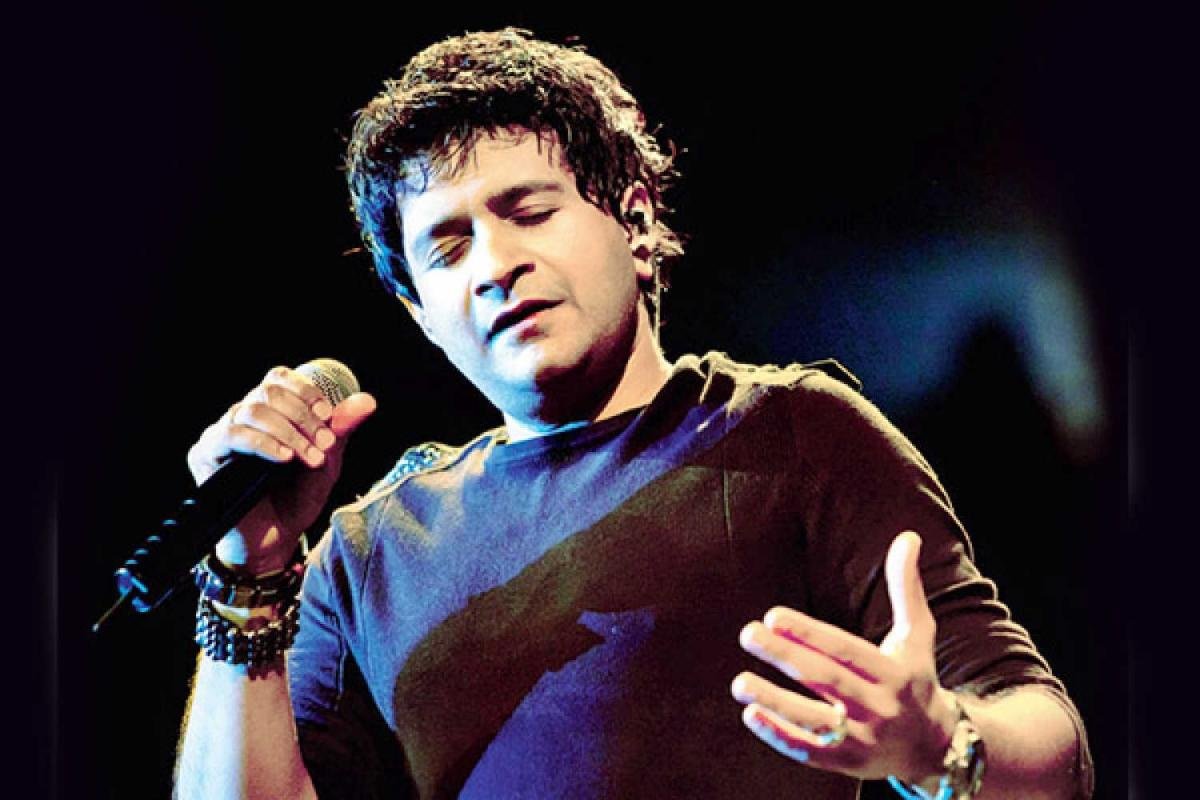
The sudden death of legendary singer KK left the nation in shock—not just because of his immense talent, but because he seemed to embody good health. Recalling the heartbreaking loss, singer Shaan recently said KK was “the last person you would expect to have a heart attack,” highlighting a reality that many still struggle to accept: heart attacks do not always strike those with obvious unhealthy habits.
KK, who passed away in 2022 after collapsing shortly following a live performance, did not smoke or drink, according to Shaan. His lifestyle appeared disciplined, making his sudden cardiac event even more difficult to comprehend for fans and fellow musicians alike. Yet, medical experts say cases like KK’s underline a crucial and often overlooked truth—heart disease can be silent and strike even those who appear fit and healthy.
When Heart Attacks Don’t Fit the Stereotype
For decades, heart attacks have been associated with smoking, alcohol consumption, obesity, and poor lifestyle choices. While these factors do significantly raise risk, they are not the only triggers. Cardiologists warn that genetics, stress, undiagnosed conditions, and age-related changes in the heart can also play a decisive role.
In many cases, people with no outward risk factors may have underlying coronary artery disease, arrhythmias, or structural heart problems that remain undetected until a catastrophic event occurs. Sudden cardiac arrest—different from a typical heart attack—can happen without prolonged warning signs and may be fatal if immediate medical intervention is not available.
Stress and Performance Pressure: A Silent Trigger?
Artists like KK often live high-pressure lives involving extensive travel, irregular sleep, and physically demanding performances. Acute stress, dehydration, and exhaustion can strain the heart, especially if there is a hidden vulnerability. Singing for hours on stage, combined with adrenaline surges, can increase heart rate and blood pressure, sometimes triggering fatal rhythm disturbances.
Experts note that intense emotional or physical stress can precipitate cardiac events even in people who otherwise seem healthy. This phenomenon, sometimes referred to as “stress-induced cardiomyopathy” or “broken heart syndrome,” shows how deeply the heart and nervous system are connected.
Warning Signs Often Go Unnoticed
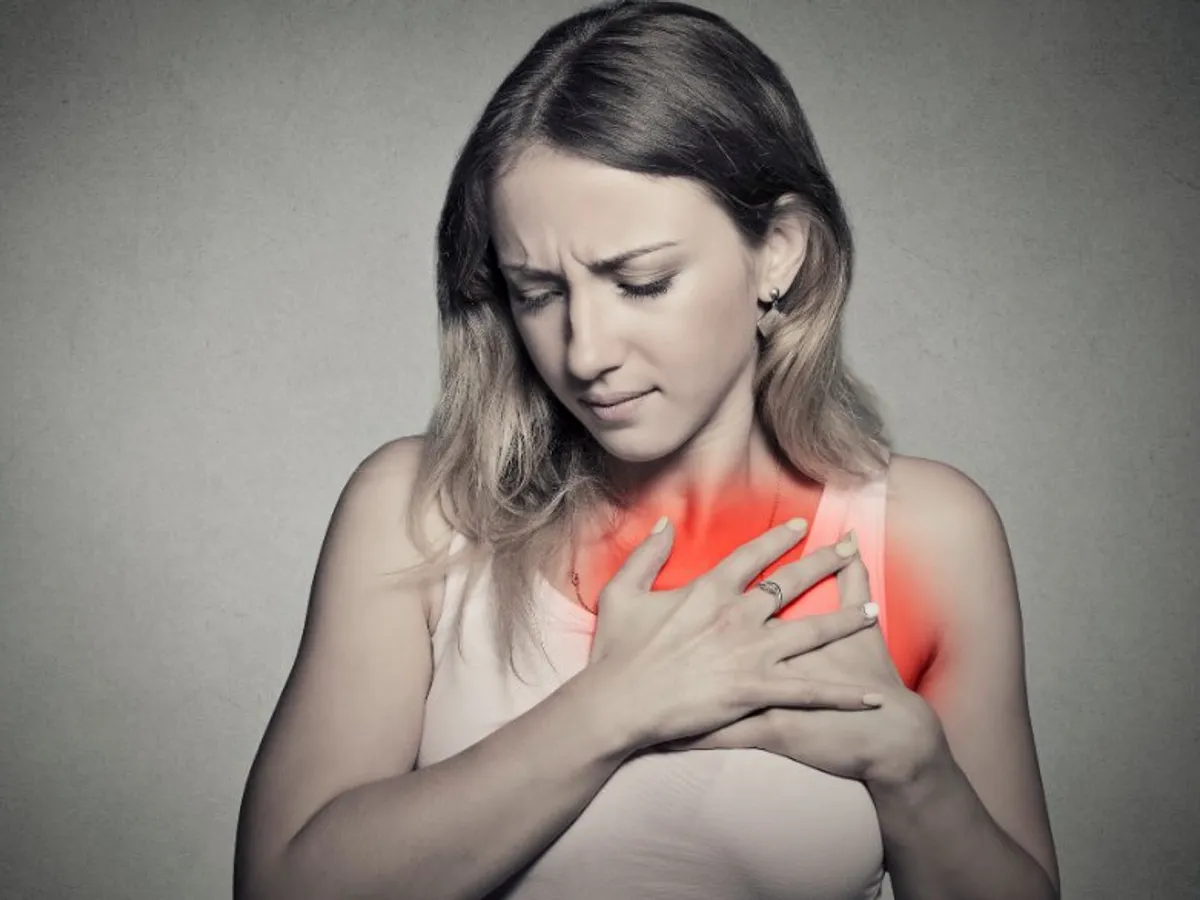
One of the biggest dangers of heart disease is that symptoms are often subtle—or mistaken for something else. Mild chest discomfort, breathlessness, unexplained fatigue, jaw or back pain, dizziness, and indigestion-like sensations are frequently ignored, especially by people who believe they are not at risk.
In men, heart attack symptoms can sometimes be sudden and severe, while in others they develop gradually. Unfortunately, many people delay seeking medical help, assuming the discomfort will pass.
Heart Attacks in the “Healthy”: How Common Is It?
Studies suggest that a significant number of heart attack patients have no prior history of heart disease and may not show classic risk factors. High cholesterol, silent hypertension, insulin resistance, and inflammation can quietly damage arteries over years without obvious signs.
Family history is another major contributor. If close relatives have had heart disease at a younger age, the risk increases—even in individuals who maintain a healthy lifestyle.
The Importance of Preventive Screening
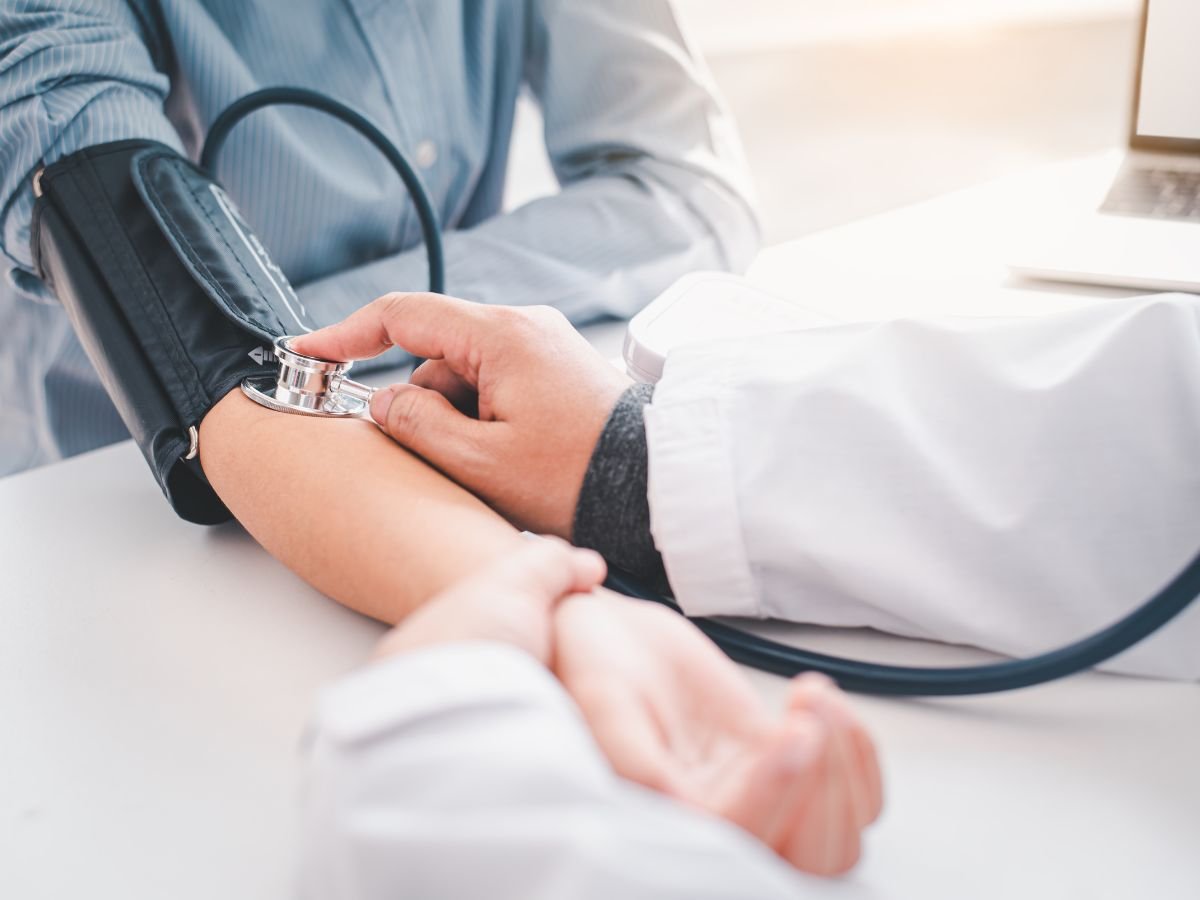
KK’s death has reignited conversations about preventive heart health, especially for people over 40. Doctors recommend regular health check-ups that include blood pressure monitoring, cholesterol and blood sugar tests, ECGs, and, when indicated, advanced imaging or stress tests.
For those with demanding careers or high stress levels, periodic cardiac evaluations can be life-saving. Fitness alone does not guarantee heart health; medical screening is essential.
Shaan’s emotional recollection of KK is more than a tribute—it is a reminder that heart disease can be unpredictable. The loss has encouraged fans and fellow artists to reflect on their own health and take symptoms more seriously.
While lifestyle choices like avoiding smoking and alcohol do reduce risk, they do not eliminate it entirely. Balanced nutrition, regular exercise, stress management, adequate sleep, and routine medical check-ups together form the strongest defense against sudden cardiac events.
KK’s voice lives on through his music, but his untimely death serves as a powerful lesson: heart attacks don’t always announce themselves, and they don’t discriminate. Listening to your body—and your doctor—can make all the difference between life and loss.