

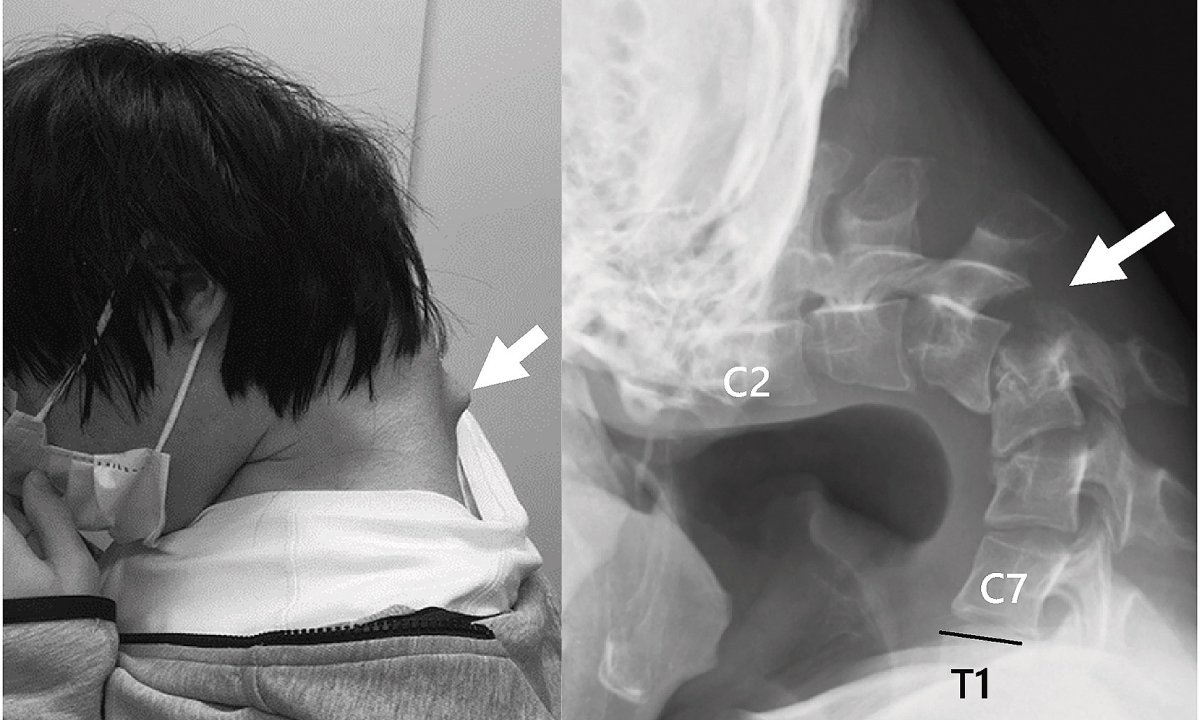
New Delhi, 25 May 2025: In a startling case that sheds light on the dark side of digital addiction, a 25-year-old man in Japan was diagnosed with a rare condition called Dropped Head Syndrome (DHS) – a disorder so unusual in young adults that doctors were compelled to document it in a case report in the medical journal JOS Case Reports. The patient developed this condition after years of excessive smartphone use, which led to severe muscle weakness and ultimately, the inability to lift his head.
What Is Dropped Head Syndrome?
Dropped Head Syndrome is a rare neuromuscular condition characterized by an inability to hold the head upright due to extreme weakness in the neck extensor muscles. While the condition is typically observed in elderly individuals with underlying neurological or muscular disorders, it is extremely rare in young, otherwise healthy people.
In this case, the root cause was not a degenerative disease but rather prolonged poor posture—specifically, the habit of constantly looking down at a mobile phone for hours on end, day after day.
The Case: From Screen Addiction to Spinal Damage
According to the case study, the young Japanese man had a history of long hours spent bent over his phone. He started experiencing intense neck pain, which progressively worsened over time. Eventually, his muscles became so weak and stiff that he could no longer hold his head up without support.
In 2023, he developed a visible bulge at the back of his neck, a sign of advanced muscular and spinal strain. By then, he had also started showing other alarming symptoms, including:
- Difficulty swallowing
- Unintentional weight loss
- Loss of neck sensation
- Chronic fatigue and stiffness in the upper spine
Doctors later confirmed that the patient’s condition was the result of a combination of mechanical stress and muscle disuse, caused by excessive neck flexion while using his phone.
Emotional Trauma Behind the Posture
Delving deeper into the patient’s history, doctors uncovered a traumatic backstory. Although he was an active child, the man suffered severe bullying during his teenage years, which caused him to withdraw from society. He dropped out of school and began living in isolation, with his mobile phone becoming his primary source of connection and comfort.
Over time, his life revolved around his phone, leading to a lifestyle dominated by sedentary behavior and extreme postural habits. His posture—perpetually bent forward—put relentless stress on his cervical spine and neck muscles, which ultimately led to DHS.
Medical Findings: A Damaged Spine
Imaging scans revealed that the man’s cervical vertebrae were misaligned and dislocated, with significant scar tissue forming on the upper portion of his spine. The strain from constantly tilting his neck forward had caused severe musculoskeletal damage.
Doctors initially attempted to treat him with neck collars and conservative therapy, but the lack of improvement and ongoing neurological symptoms—like numbness and weakness—pushed them to opt for surgical intervention.
A Painful Path to Recovery
The surgical procedures were extensive. Doctors had to remove portions of the damaged vertebrae and scar tissue. They then stabilized his neck using metal rods and screws, allowing for spinal realignment and posture correction.
Recovery was long and painful, taking over six months of rehabilitation. While the man has regained the ability to hold his head upright, he still continues with physical therapy to improve strength and mobility. Doctors say full recovery may take even longer.
Doctors Issue Strong Warning: “Tech Neck Is Real”
This case has become a wake-up call for health professionals worldwide. The treating doctors have issued a strong warning against the excessive use of smartphones, particularly when users maintain a bent-neck posture for long durations.
“This isn’t just about neck pain or eye strain anymore,” one doctor noted. “We are seeing catastrophic musculoskeletal damage in young people due to smartphone overuse. Tech neck is not a myth—it can lead to irreversible damage.”
What You Can Do To Prevent It
Doctors and physiotherapists suggest adopting the following measures to protect your neck health in the digital age:
Take frequent breaks – Every 20–30 minutes, look away from your screen and stretch.
- Raise your phone to eye level instead of looking down.
- Practice neck and shoulder exercises daily to strengthen muscles.
- Maintain good posture while sitting and standing.
- Limit screen time, especially before bed.
- Use ergonomic accessories like phone holders or stands.
This chilling case from Japan is a reminder that digital habits can physically deform us. The modern lifestyle, dominated by screens and sedentary behavior, poses serious risks to our musculoskeletal and mental health.
The 25-year-old’s journey from isolation and screen addiction to spinal surgery serves as both a cautionary tale and a call to action: it’s time to rethink how we use technology before it reshapes us—literally.
















Leave a comment