


New Delhi, 03 May 2025: When temperatures soar past 40°C during a heatwave, most people focus on avoiding sunburn or dehydration. But what’s often overlooked is the silent threat these extreme temperatures pose to one of your most vital organs—your heart.
Your heart works harder during a heatwave. That’s because high temperatures cause blood vessels to dilate, which lowers blood pressure. To maintain normal blood flow, your heart has to pump faster and harder. For individuals with preexisting heart conditions—such as high blood pressure, coronary artery disease, or congestive heart failure—this extra workload can trigger serious complications, even heart attacks.
In fact, studies have shown a significant increase in cardiovascular-related hospital admissions and deaths during heatwaves. The elderly, people with chronic illnesses, and even younger individuals who are dehydrated or engaging in intense outdoor activity are at risk.
Extreme Dehydration Can Impair Heart Muscles
Sweating is your body’s natural way to cool down, but excessive sweating leads to fluid and electrolyte loss. When you’re dehydrated, your blood becomes thicker, increasing the risk of clotting. This places an enormous strain on the heart and can lead to dangerous conditions such as heatstroke or cardiac arrest.
Sodium, potassium, and magnesium are critical electrolytes that help your heart maintain its rhythm. During a heatwave, these get depleted quickly. Without proper replenishment, your heart may beat irregularly—a potentially life-threatening situation.
Warning Signs to Watch Out For
Your heart may be in trouble if you notice:
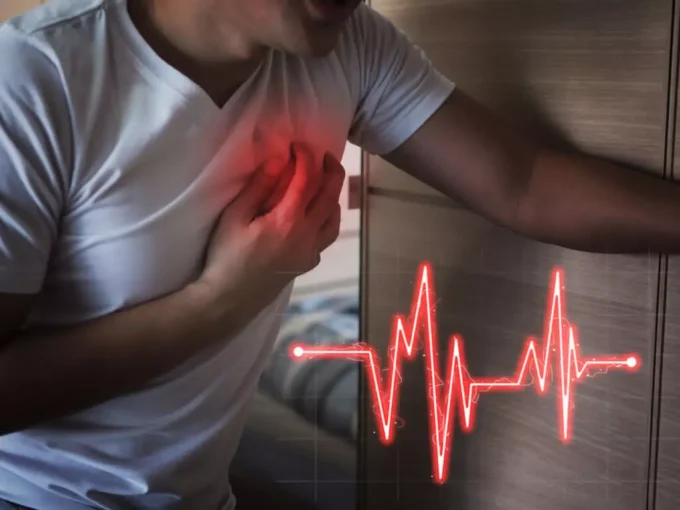
- Chest pain or tightness
- Shortness of breath
- Rapid or irregular heartbeat
- Dizziness or fainting
- Unusual fatigue
- Swelling in the legs or feet
These symptoms may appear subtly at first but can escalate rapidly in extreme heat. Don’t ignore them—seek medical help immediately.
Heatwaves are not just about sweat and sunburn—they’re silent cardiovascular stress tests. Even if you’re healthy, extreme heat can strain your heart. By staying informed and vigilant, you can protect yourself and your loved ones from the potentially fatal consequences of heart-related complications during summer’s most dangerous days.
Follow this space to stay updated with all the latest health trends, and wellness guidance.














Leave a comment