

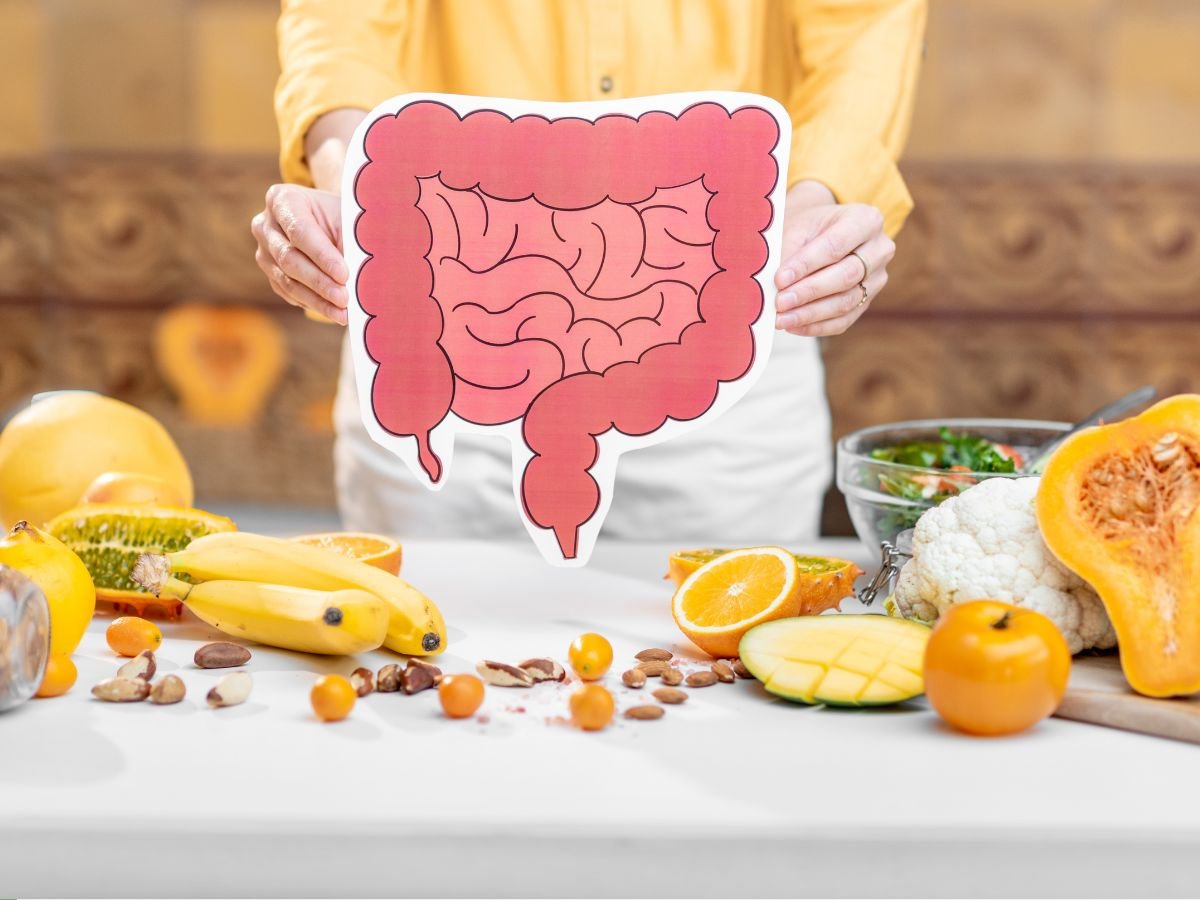
New Delhi, 01 November, 2025: In the world of health and wellness, few discoveries have been as fascinating — and surprising — as the revelation that your gut health may directly influence your mood, emotions, and mental well-being. Scientists now call this intricate connection between your digestive system and your brain the gut-brain axis.
Emerging research over the past decade has revealed that the gut is far more than just a digestive organ — it acts as a “second brain,” capable of sending powerful signals to influence how you feel, think, and react. From anxiety and depression to stress and sleep, your gut health plays a vital role in maintaining emotional balance.
So, what does science really say about this connection, and what can you do to nurture a happier, healthier gut — and, in turn, a calmer mind?
The Gut-Brain Connection: How It Works
The gut and brain communicate through a complex network known as the gut-brain axis, which involves direct nerve connections, immune pathways, and chemical messengers. One of the most important components of this system is the vagus nerve, a long cranial nerve that connects the brainstem to the intestines, allowing continuous communication between the two organs.
But the real game-changer lies in the gut microbiome — the vast ecosystem of trillions of bacteria, viruses, and fungi living inside your intestines. These microorganisms are responsible for breaking down food, producing vitamins, and supporting the immune system. However, research now shows they also produce neuroactive compounds — such as serotonin, dopamine, and gamma-aminobutyric acid (GABA) — that directly affect mood and behavior.
In fact, approximately 90% of the body’s serotonin, the “feel-good” neurotransmitter, is produced in the gut. This means that when your gut bacteria are healthy and balanced, serotonin levels remain stable, promoting better mood regulation, focus, and sleep. On the other hand, when the gut microbiome becomes imbalanced — a condition called dysbiosis — serotonin production can drop, leading to mood swings, anxiety, and even depression.
What the Latest Research Reveals
Recent studies are reshaping how experts understand mental health. Instead of viewing anxiety or depression purely as brain-based disorders, researchers are now recognizing the gut’s powerful role in emotional regulation.
A 2024 study published in Nature Microbiology found that individuals with depression had significantly less bacterial diversity in their gut compared to those with stable mental health. Specifically, beneficial strains such as Lactobacillus and Bifidobacterium were lower in depressed participants. These bacteria are known to reduce inflammation, produce mood-stabilizing chemicals, and support healthy communication between the gut and brain.
Another groundbreaking trial showed that participants who took daily probiotic supplements for eight weeks reported lower anxiety scores, improved sleep quality, and higher overall well-being. The findings suggest that modifying gut bacteria through diet or supplementation could potentially complement traditional mental health treatments.
Researchers have also linked inflammation — a key consequence of poor gut health — to mood disorders. When the gut lining becomes compromised due to poor diet, stress, or antibiotics, toxins can “leak” into the bloodstream, triggering systemic inflammation that affects the brain. This “leaky gut syndrome” has been associated with increased risk of anxiety, depression, and cognitive decline.
The connection works both ways: chronic stress and anxiety can alter gut bacteria composition, slowing digestion and increasing inflammation — creating a vicious cycle.
How Diet Impacts the Gut and Mood
Diet is one of the most powerful tools for shaping your gut microbiome. The foods you eat can either feed beneficial bacteria or promote the growth of harmful ones. Diets high in sugar, processed foods, and unhealthy fats tend to reduce microbial diversity, while fiber-rich, plant-based diets help beneficial bacteria thrive.
Fiber acts as food for gut bacteria, allowing them to produce short-chain fatty acids (SCFAs) like butyrate, which reduce inflammation and support brain health. Meanwhile, fermented foods such as yogurt, kefir, kimchi, and sauerkraut introduce live bacteria that enhance microbial balance.
The Mediterranean diet — rich in vegetables, fruits, whole grains, olive oil, and fish — has been associated with both improved gut health and lower rates of depression. Studies suggest that people who follow this diet have healthier microbiomes and higher resilience to stress.
How to Improve Gut Health for Better Mood
If you’re looking to support both your digestion and mental well-being, small lifestyle changes can make a big difference. Here’s how:
- Eat More Fiber:
Foods like oats, legumes, apples, and leafy greens promote the growth of beneficial gut bacteria. Aim for at least 25–30 grams of fiber daily. - Incorporate Fermented Foods:
Include yogurt, kefir, miso, kombucha, and fermented vegetables in your diet. These foods contain probiotics that enhance gut flora diversity. - Limit Sugar and Processed Foods:
High sugar intake feeds harmful bacteria, leading to inflammation and mood instability. Opt for whole foods instead. - Stay Hydrated:
Proper hydration supports digestion and nutrient absorption while maintaining the gut lining’s integrity. - Manage Stress:
Chronic stress disrupts gut bacteria balance. Techniques like meditation, deep breathing, yoga, or even a 10-minute daily walk can help calm both your mind and gut. - Get Enough Sleep:
Sleep deprivation alters gut microbiota composition and increases stress hormone levels, both of which can worsen mood. Aim for 7–8 hours of quality sleep. - Exercise Regularly:
Moderate physical activity, such as walking or cycling, promotes healthy gut bacteria and reduces anxiety and depression symptoms. - Avoid Unnecessary Antibiotics:
While antibiotics can be life-saving, overuse can destroy beneficial gut bacteria. Only take them when prescribed and follow up with probiotics.
The Future of Gut-Mood Research
The field of “psychobiotics” — probiotics and prebiotics that influence mental health — is rapidly expanding. Researchers are now developing targeted supplements designed to balance the gut microbiome for better emotional well-being. In the coming years, mental health treatments may include dietary and microbial therapies as standard practice.
Personalized nutrition based on microbiome analysis is also emerging. Soon, doctors may be able to recommend specific foods or probiotic strains based on your gut bacteria profile to optimize both digestive and emotional health.
Your gut and brain are in constant conversation. A healthy gut microbiome can boost your mood, sharpen your focus, and protect you from stress-related disorders. On the other hand, an unhealthy gut can trigger inflammation, hormone imbalances, and emotional instability.
By paying attention to your gut health — through a balanced diet, regular exercise, stress management, and adequate rest — you can improve not only your digestive system but also your emotional resilience and mental clarity.
Good gut health truly is the foundation of a healthy, happy mind. The more you care for your gut, the better your brain — and your mood — will feel.















Leave a comment