

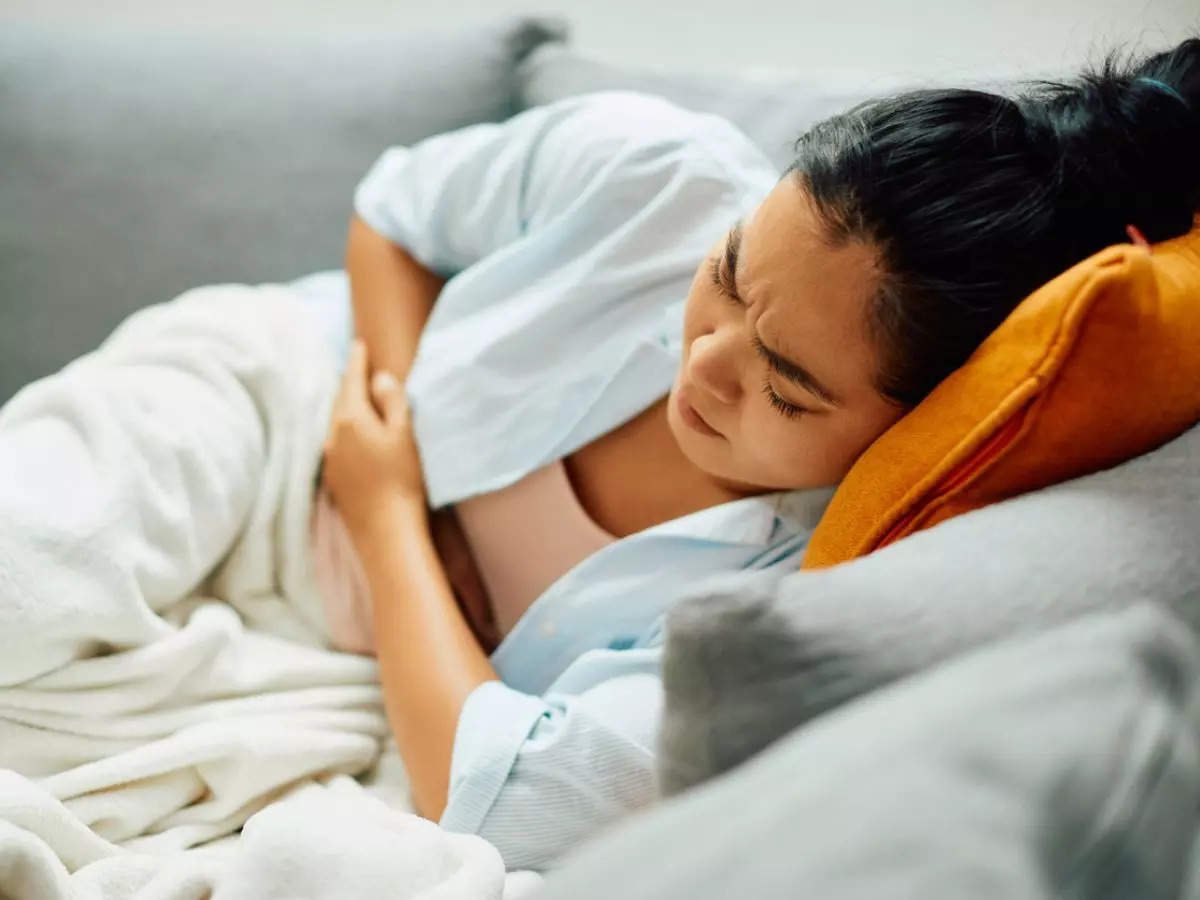
Endometriosis – a prevalent but often confusingly interpreted condition affecting countless women across the globe. It’s a chronic illness in which tissue – akin to the one lining the inner part of the uterus known as the endometrium – begins to grow outside the uterus. This unusual growth typically results in severe pain, coalescing predominantly around the menstrual cycle. Grasping endometriosis is vital for effective early diagnosis and management of the disease.
What Is Endometriosis?
To put it simply, endometriosis occurs when tissue similar to the one found on the inside of the uterus starts growing outside. It can appear on various organs in the pelvic region, including the ovaries and the fallopian tubes. This tissue follows the same cycle as the endometrium within the uterus — it thickens, breaks down, and bleeds with each menstrual cycle. However, as there’s no way for this tissue to exit the body, it gets trapped, causing inflammation, scarring, and adhesions.
Symptoms of Endometriosis
The symptoms vary, yet commonly seen signs encompass:
- Pelvic pain (especially during menstruation)
- Heavy menstrual bleeding
- Difficulty in conceiving
- Pain during intercourse
- Fatigue
- Diarrhea
- Constipation, and
- Bloating
The above-mentioned signs are reported by several affected individuals suffering from this health condition.
Endometriosis Diagnosis and Treatment
Unraveling endometriosis is tricky since its symptoms often resemble other conditions. Hence, healthcare practitioners may resort to a pelvic examination, ultrasound, or an MRI to identify any abnormality. However, the most definitive way to diagnose endometriosis is by laparoscopic surgery. The treatment can range from analgesics and hormone therapy, to removal of endometrial tissue through a surgical procedure.
Endometriosis and Fertility: The Connection
Endometriosis can significantly interfere with fertility, as abnormal tissue growth may obstruct the fallopian tubes or compromise the quality of the eggs. Nevertheless, many endometriosis-affected women can conceive using targeted fertility treatments or assisted reproductive technology. It’s necessary for these women to consult a fertility specialist for personalized strategies.
Effective Management of Endometriosis
Managing endometriosis requires medical countermeasures, lifestyle tweaks, and consistent support. Techniques such as heat therapy, exercise, and relaxation can aid in alleviating the symptoms. A balanced diet, stress reduction, and sufficient sleep also contribute to managing endometriosis effectively.
Endometriosis is a complex and oftentimes challenging condition that influences many women worldwide. By knowing the symptoms, diagnostic methods, and available treatment options, women can take decisive steps towards managing their health effectively.









Leave a comment