

First in India Report of Two Successful Live Births After Umbilical Cord–Derived Stem Cell Therapy in Severe Asherman’s Syndrome
New Delhi: In a significant breakthrough in reproductive medicine, doctors at Sir Ganga Ram Hospital have reported two successful live births after treating severe Asherman’s Syndrome using umbilical cord–derived stem cells. The development offers new hope to women suffering from one of the most difficult causes of infertility.
The pioneering work has carried out by the Centre of IVF and Human Reproduction in collaboration with the Department of Biotechnology and Research at the hospital. The research forms part of an ongoing clinical trial registered under the hospital’s research cell and supported through intramural funding.
Asherman’s Syndrome is a condition in which the uterine cavity becomes partially or completely blocked due to severe intrauterine adhesions. It often occurs after repeated dilatation and curettage procedures, infections, or uterine surgeries. In severe cases, the uterus becomes so damaged that carrying a pregnancy becomes extremely difficult or even impossible.
To address this challenge, doctors used mesenchymal stem cells derived from Wharton’s jelly of the umbilical cord, a source known for its high regenerative potential, easy availability, low immunogenicity, and non-invasive collection.
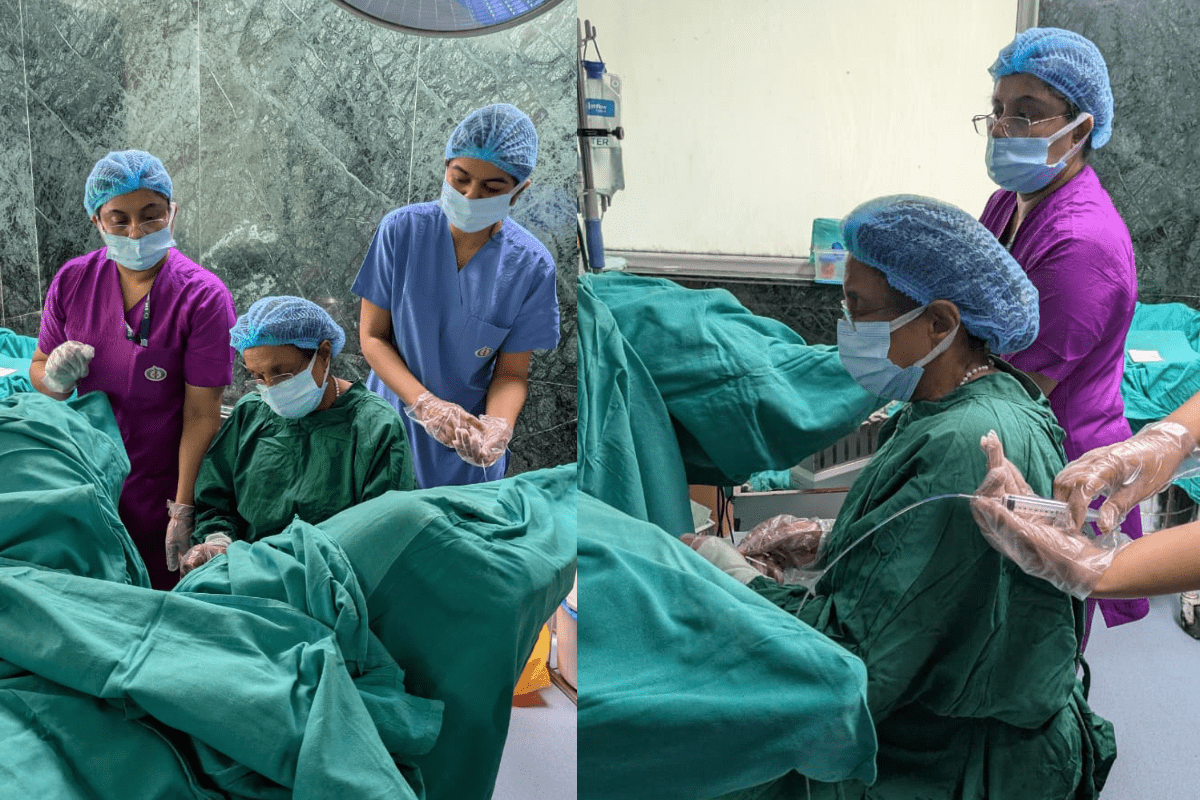
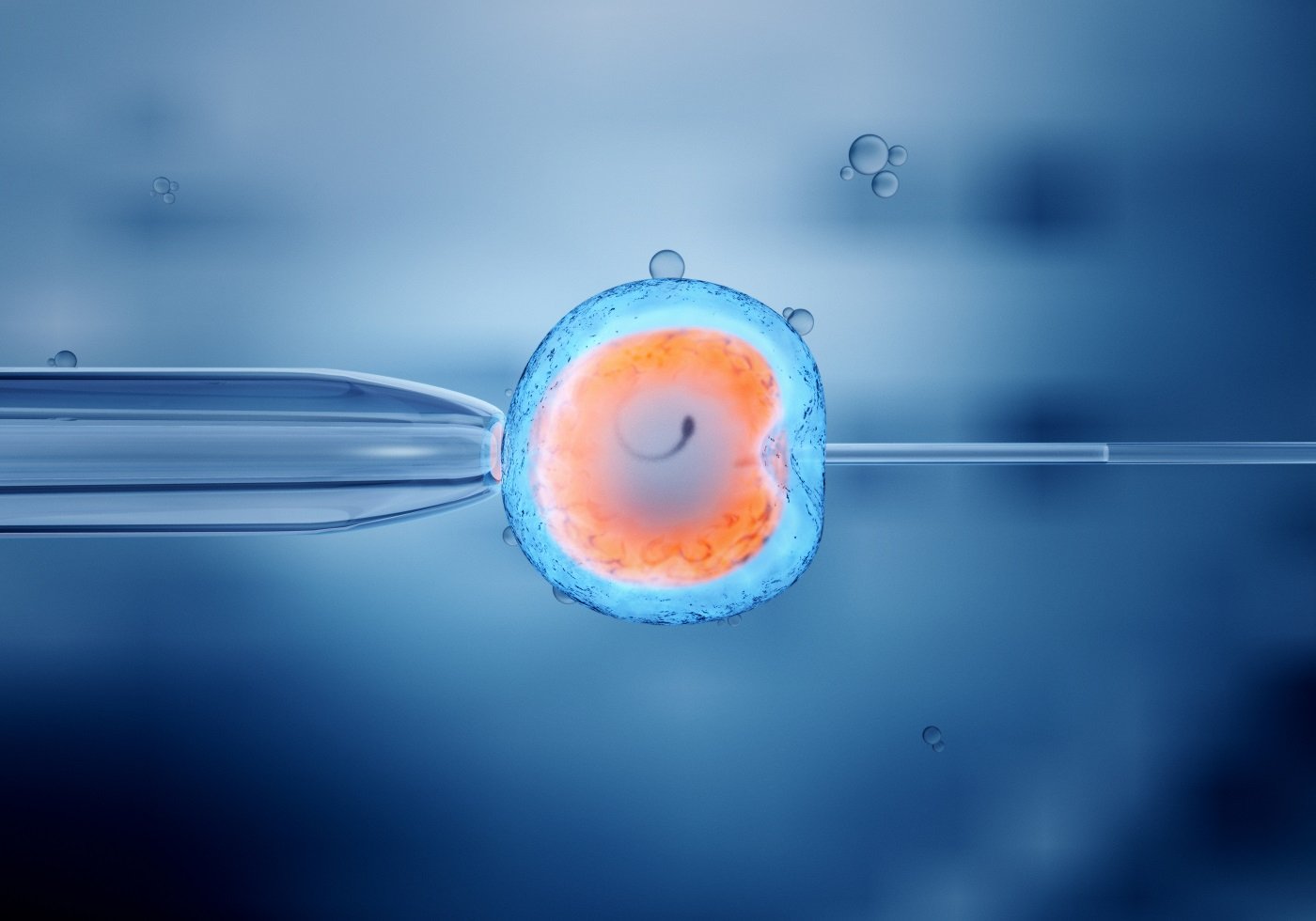
In this innovative procedure, umbilical cord–derived mesenchymal stem cells (UC-MSCs) injected directly beneath the endometrium under hysteroscopic guidance using an IVF ovum pick-up needle. The stem cells delivered sub-endometrially into the basal layer of the uterus, which is responsible for the regeneration of the uterine lining.
The technique stands out because it avoids the use of scaffolds or biomaterials used in some earlier international studies. By directly targeting the basal layer, the procedure becomes technically simpler while potentially improving regenerative outcomes. According to the research team, this is the first reported case from India and among the first globally to employ this specific method.
Prof. Dr. Abha Majumdar, Emeritus Consultant and Director, Centre of IVF and Human Reproduction, said the development represents an important step forward for women with severe uterine damage.
“For years, severe Asherman’s Syndrome was a reproductive dead end, leaving many women with no choice but surrogacy or adoption. By successfully using umbilical cord-derived stem cells to regenerate the uterine lining, we are not just treating a condition—we are restoring the biological possibility of motherhood. These two live births prove that even the most ‘unhealable’ damage can reversed with the right regenerative approach,” she said.
Dr. Abha Majumdar further added, “What makes this breakthrough unique is our direct sub-endometrial injection technique. By targeting the basal layer of the uterus without the need for complex scaffolds, we have simplified the regenerative process while maximizing its effectiveness. This pilot trial is a significant step toward making stem cell therapy a standard treatment for uterine factor infertility in India and globally.”
The pilot clinical trial currently has 10 patients enrolled, all suffering from severe refractory Asherman’s Syndrome. So far, two patients have delivered healthy babies, while eight patients remain under follow-up and evaluation.
Case highlights:
Case 1: A 39-year-old woman with severe uterine adhesions that developed after miscarriage treatment underwent stem cell therapy. Following improvement in menstrual flow and endometrial thickness, embryo transfer resulted in a healthy male baby delivered at 35 weeks, weighing 2.0 kg.
Case 2: A 40-year-old woman with recurrent pregnancy loss and severe intrauterine adhesions underwent the procedure. After uterine regeneration and embryo transfer, she delivered a female baby via LSCS at 31 weeks, weighing 1.8 kg.







Leave a comment