


New Delhi, 12 November, 2025: Winter brings cozy sweaters, warm beverages, and festive cheer—but it also brings an increased risk of respiratory infections, including pneumonia. Pneumonia is a serious lung infection that can affect anyone but is particularly dangerous for the elderly, infants, and individuals with weakened immune systems or chronic illnesses. Understanding how to prevent pneumonia during the cold months is crucial for maintaining good health.
This article explores the causes of pneumonia, why it’s more common in winter, and both effective home remedies and medical prevention tips to help you and your family stay healthy throughout the season.
Understanding Pneumonia
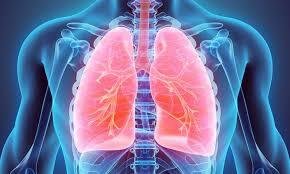
Pneumonia occurs when the air sacs in one or both lungs become inflamed and fill with fluid or pus. This can result from bacterial, viral, or fungal infections. The most common types include:
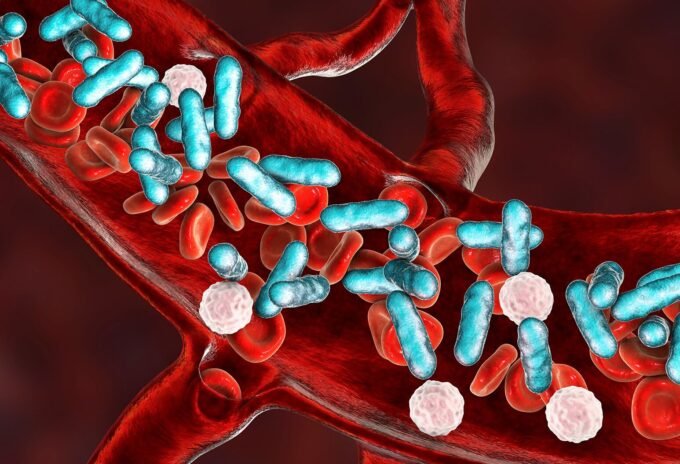
- Bacterial pneumonia – often caused by Streptococcus pneumoniae.
- Viral pneumonia – commonly caused by influenza (flu) or respiratory syncytial virus (RSV).
- Fungal pneumonia – usually affects those with weakened immune systems.
Common symptoms include fever, chills, cough with mucus, chest pain, fatigue, and shortness of breath. In severe cases, it can lead to hospitalization or even death if untreated.
Why Pneumonia Is More Common in Winter
Several factors make pneumonia more prevalent during winter months:
- Cold air and dry indoor environments – Dry air irritates the respiratory tract, making it easier for pathogens to invade the lungs.
- Weakened immunity – Cold weather can suppress the immune response, leaving the body less able to fight infections.
- Increased indoor crowding – People spend more time indoors, allowing viruses and bacteria to spread easily in close quarters.
- Seasonal flu – Influenza and other viral infections often precede pneumonia, especially in vulnerable individuals.
Therefore, wintertime requires extra vigilance and proactive measures to strengthen respiratory health.
Medical Tips to Prevent Pneumonia
1. Get Vaccinated
Vaccination is one of the most effective ways to prevent pneumonia.
- Pneumococcal vaccine: Recommended for children, adults over 65, and individuals with chronic diseases like diabetes or heart conditions.
- Influenza vaccine: Reduces the risk of flu-related pneumonia. Annual flu shots are especially important during winter.
- COVID-19 vaccine: Since COVID-19 can also cause pneumonia, being up to date with booster doses helps lower risk.
Consult your doctor about the right vaccination schedule for you and your family.
2. Practice Good Hygiene
Pneumonia-causing pathogens spread through droplets when infected individuals cough or sneeze. Preventive hygiene includes:
- Washing hands regularly with soap and warm water for at least 20 seconds.
- Using alcohol-based sanitizers when washing isn’t possible.
- Avoiding close contact with sick people.
- Covering your mouth and nose with a tissue or elbow when coughing or sneezing.
- Disinfecting commonly touched surfaces such as doorknobs, phones, and keyboards.
3. Maintain a Strong Immune System
A healthy immune system is your best defense. Follow these tips to strengthen it:
- Eat a balanced diet rich in vitamins A, C, D, and E, as well as minerals like zinc and selenium.
- Get enough sleep—7–8 hours per night helps the body recover and fight off infections.
- Stay physically active, even indoors, to boost circulation and lung capacity.
- Manage stress through meditation, yoga, or deep breathing, as chronic stress weakens immunity.
4. Avoid Smoking and Limit Alcohol
Smoking damages lung tissue and impairs the lungs’ natural defenses, making it easier for infections to take hold. Quitting smoking significantly reduces pneumonia risk. Likewise, excessive alcohol weakens the immune system and increases susceptibility to respiratory infections.
5. Keep Your Living Environment Healthy
Indoor air quality is essential during winter.
- Use a humidifier to maintain humidity between 30–50%, preventing dry air from irritating your airways.
- Keep rooms well-ventilated to reduce the buildup of germs.
- Ensure your heating system is clean and filters are replaced regularly.
6. Manage Chronic Conditions
Individuals with chronic illnesses such as asthma, COPD, diabetes, or heart disease are more vulnerable to pneumonia. Regular medical checkups and following prescribed treatments are crucial to keeping these conditions under control, thereby lowering infection risk.
Home Remedies and Natural Prevention Methods
While medical measures are vital, home-based remedies can support your respiratory health and reduce your chances of infection. These natural methods help strengthen immunity and keep your lungs clear.
1. Warm Fluids and Herbal Teas
Keeping your throat and chest warm and hydrated helps prevent respiratory infections. Herbal teas made from ginger, turmeric, tulsi (holy basil), licorice root, and honey have antibacterial and anti-inflammatory properties.
- Ginger tea reduces inflammation and improves circulation.
- Turmeric milk (golden milk) boosts immunity with curcumin’s antiviral effects.
- Honey and lemon water soothe sore throats and act as mild expectorants.
2. Steam Inhalation
Steam inhalation helps loosen mucus and relieve congestion. Add a few drops of eucalyptus oil or peppermint oil to hot water, cover your head with a towel, and inhale deeply for 5–10 minutes. This practice can clear nasal passages and prevent mucus buildup, reducing infection risk.
3. Eat Immune-Boosting Foods
Certain foods naturally strengthen the body’s defenses against infections:
- Citrus fruits (oranges, lemons, grapefruits) for vitamin C.
- Garlic and onions for their antibacterial and antiviral compounds.
- Leafy greens for essential vitamins and antioxidants.
- Nuts and seeds for zinc and vitamin E.
- Probiotic-rich foods like yogurt, kefir, and sauerkraut to promote gut health, which supports immunity.
4. Maintain Hydration
Even in cold weather, your body needs plenty of water to function properly. Staying hydrated keeps mucous membranes moist, helping them trap and expel pathogens before they reach the lungs. Warm soups, broths, and herbal teas are excellent winter hydration sources.
5. Practice Breathing Exercises
Breathing exercises like pranayama, diaphragmatic breathing, or deep breathing improve lung strength and oxygen capacity. Regular practice helps clear mucus and enhances lung resilience against infections.
6. Get Enough Sunlight or Vitamin D
During winter, reduced sunlight exposure can lead to vitamin D deficiency, which weakens immunity. Try to spend at least 15–20 minutes in sunlight daily. If that’s not possible, discuss vitamin D supplements with your healthcare provider.
7. Rest and Recovery
Adequate rest allows the body to repair and fight off potential infections. Overexertion, lack of sleep, and prolonged stress can make you more susceptible to pneumonia and other respiratory illnesses.
8. Natural Chest Rubs
A homemade chest rub made from coconut oil, camphor, and eucalyptus oil can relieve congestion and ease breathing. Gently massage it on the chest and back before bedtime for soothing relief.
When to Seek Medical Attention
Even with preventive care, pneumonia can sometimes develop. Seek medical attention immediately if you or a family member experiences:
- Persistent cough with green, yellow, or bloody mucus.
- High fever or chills that don’t subside.
- Shortness of breath or chest pain while breathing.
- Fatigue, confusion (especially in older adults), or bluish lips/fingertips.
Early diagnosis and treatment with antibiotics or antivirals can prevent complications and speed up recovery.
Preventing pneumonia during winter requires a combination of medical precautions, healthy lifestyle habits, and home remedies that support your body’s natural defenses. Vaccinations, good hygiene, proper nutrition, and a balanced lifestyle remain the cornerstone of prevention.
By keeping your immune system strong, maintaining a clean living environment, and following these medical and natural preventive strategies, you can significantly reduce your risk of pneumonia and enjoy a safe, healthy winter season.













Leave a comment