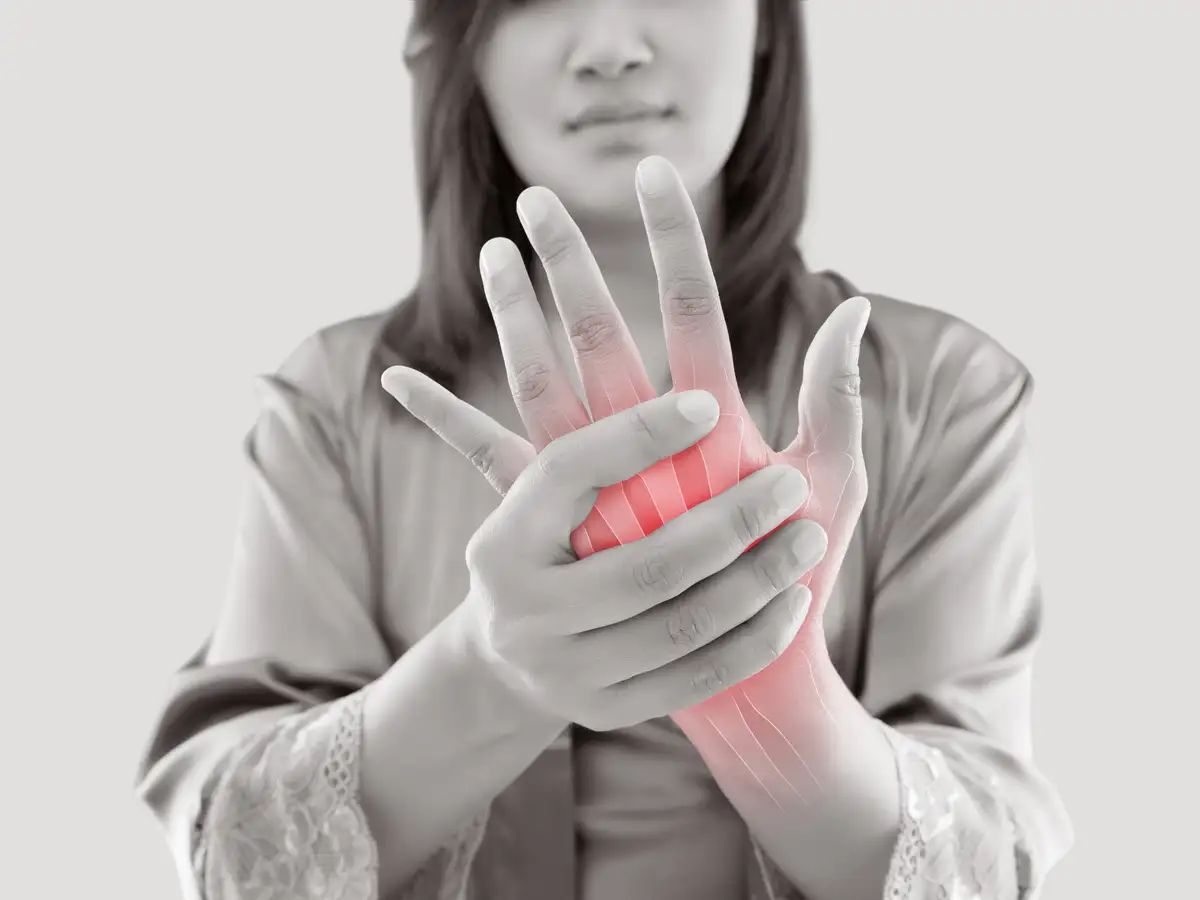
New Delhi, 26 November, 2025: Winter brings its own unique challenges, and for people living with arthritis, the cold months can be particularly difficult. Many individuals report that their joint pain and stiffness worsen in winter, making daily activities more challenging. But with the right strategies, it’s possible to reduce flare-ups, manage pain, and maintain mobility throughout the season.
Understanding why arthritis symptoms worsen in winter and how to manage them is crucial for staying active and comfortable during colder months.
Why Arthritis Symptoms Worsen in Winter
Several factors contribute to the increase in arthritis flare-ups during winter:
- Cold and Damp Weather
Cold temperatures cause muscles and joints to stiffen, making movement more painful. Damp or humid weather can also increase discomfort in affected joints. - Reduced Physical Activity
Shorter days and colder weather often lead to a more sedentary lifestyle, which weakens muscles and reduces joint support, making pain worse. - Changes in Barometric Pressure
Some studies suggest that drops in barometric pressure during winter can affect joints, particularly those already damaged by arthritis, increasing pain and swelling. - Vitamin D Deficiency
Winter sunlight is limited, which can lead to low vitamin D levels. Since vitamin D is essential for bone and joint health, deficiency may exacerbate arthritis symptoms.
Understanding these factors helps in developing effective management strategies for winter months.
1. Keep Your Joints Warm
One of the simplest ways to reduce arthritis pain in winter is maintaining warmth:
- Wear layers and thermal clothing to protect joints from the cold.
- Use gloves, scarves, and socks to keep extremities warm.
- Consider heating pads or warm compresses for stiff joints.
- Warm baths or showers can relax muscles and ease joint stiffness.
Warmth helps improve blood circulation, relaxes muscles, and reduces joint stiffness.
2. Stay Physically Active
Although cold weather makes it tempting to stay indoors, movement is crucial for joint health:
- Low-impact exercises like swimming, yoga, and walking reduce stress on joints.
- Strength training helps support and stabilize affected joints.
- Gentle stretching routines improve flexibility and reduce stiffness.
- Indoor exercises like stationary cycling or resistance band workouts are excellent alternatives in winter.
Consistent activity keeps joints lubricated and prevents pain from becoming worse.
3. Maintain a Healthy Weight
Extra body weight puts additional strain on joints, particularly the knees, hips, and spine. Maintaining a healthy weight can:
- Reduce pressure on weight-bearing joints
- Minimize inflammation and pain
- Improve mobility and overall energy
Even a small reduction in weight can make a noticeable difference in arthritis management during winter.
4. Focus on Anti-Inflammatory Nutrition
Diet plays a key role in managing arthritis. Anti-inflammatory foods can help reduce joint inflammation and pain:
- Include fatty fish (salmon, mackerel) rich in omega-3 fatty acids
- Eat fruits and vegetables like berries, spinach, and broccoli
- Add nuts, seeds, and whole grains
- Avoid excessive processed foods, sugar, and refined carbs, which can worsen inflammation
Staying hydrated is also important; dry indoor heating can contribute to joint discomfort.
5. Manage Stress and Sleep
Stress and poor sleep can amplify pain perception and inflammation:
- Practice relaxation techniques such as deep breathing, meditation, or gentle yoga
- Maintain a regular sleep schedule to support joint repair and reduce fatigue
- Limit exposure to stressors during the holidays or winter workload
Reducing stress and ensuring restorative sleep can help minimize arthritis flare-ups.
6. Use Medications and Supplements Wisely
Many individuals rely on medications to manage arthritis pain. During winter, it’s important to:
- Take prescribed anti-inflammatory medications as directed by your doctor
- Consider supplements like glucosamine, chondroitin, or omega-3s, after consulting a healthcare provider
- Keep a pain relief plan for flare-ups, including over-the-counter options like acetaminophen or topical creams
Always discuss medication adjustments with your healthcare professional, particularly during seasonal changes.
7. Incorporate Heat and Cold Therapy
Therapies involving temperature can help manage arthritis pain:
- Heat therapy: Warm baths, heating pads, and infrared therapy relax muscles and reduce stiffness.
- Cold therapy: Ice packs can reduce inflammation and numb sharp pain during acute flare-ups.
Alternating heat and cold therapy can provide balanced relief depending on the severity and type of joint discomfort.
8. Protect Your Joints
Simple precautions can prevent additional strain on vulnerable joints:
- Use supportive footwear with good traction to prevent slips on icy surfaces
- Avoid carrying heavy loads that stress arthritic joints
- Utilize ergonomic tools or braces for support during household chores or outdoor activities
- Pace yourself with outdoor activities to avoid overexertion
Joint protection minimizes pain and preserves mobility during cold weather.
9. Monitor Your Symptoms
Keeping track of arthritis symptoms is helpful, especially during winter:
- Record joint pain levels, stiffness, and swelling in a daily journal
- Note triggers such as weather changes, activity levels, or diet
- Discuss trends with your doctor to adjust treatment plans or lifestyle strategies
Monitoring symptoms allows for proactive management rather than reactive treatment.
10. Seek Professional Support
Persistent or worsening symptoms during winter may require medical intervention:
- Rheumatologists can adjust medications or recommend therapies
- Physical therapists can design winter-friendly exercise routines
- Occupational therapists can suggest joint protection strategies for daily tasks
Early intervention prevents flare-ups from severely impacting quality of life.
Extra Tips for Winter Arthritis Care
- Humidify your home: Dry winter air can increase joint stiffness
- Vitamin D supplementation: Helps compensate for limited sunlight
- Plan indoor activities: Swimming, stretching, or light resistance training
- Mind weather changes: Stay indoors during extreme cold or damp conditions
Integrating these habits into daily life can make winter more manageable for arthritis sufferers.
Winter doesn’t have to mean a season of increased arthritis pain and limited mobility. By taking preventive measures such as staying warm, staying active, eating a nutritious diet, managing stress, and monitoring symptoms, you can reduce flare-ups and maintain quality of life.
Consistency is key — combining lifestyle changes with medical guidance ensures that arthritis doesn’t dictate your winter. Remember, even small adjustments like layering clothing, incorporating indoor exercises, and using heat therapy can make a significant difference in joint comfort.
With the right strategies, you can enjoy the winter season without letting arthritis slow you down. Taking care of your joints today prepares them for the colder months and supports long-term joint health and mobility.