

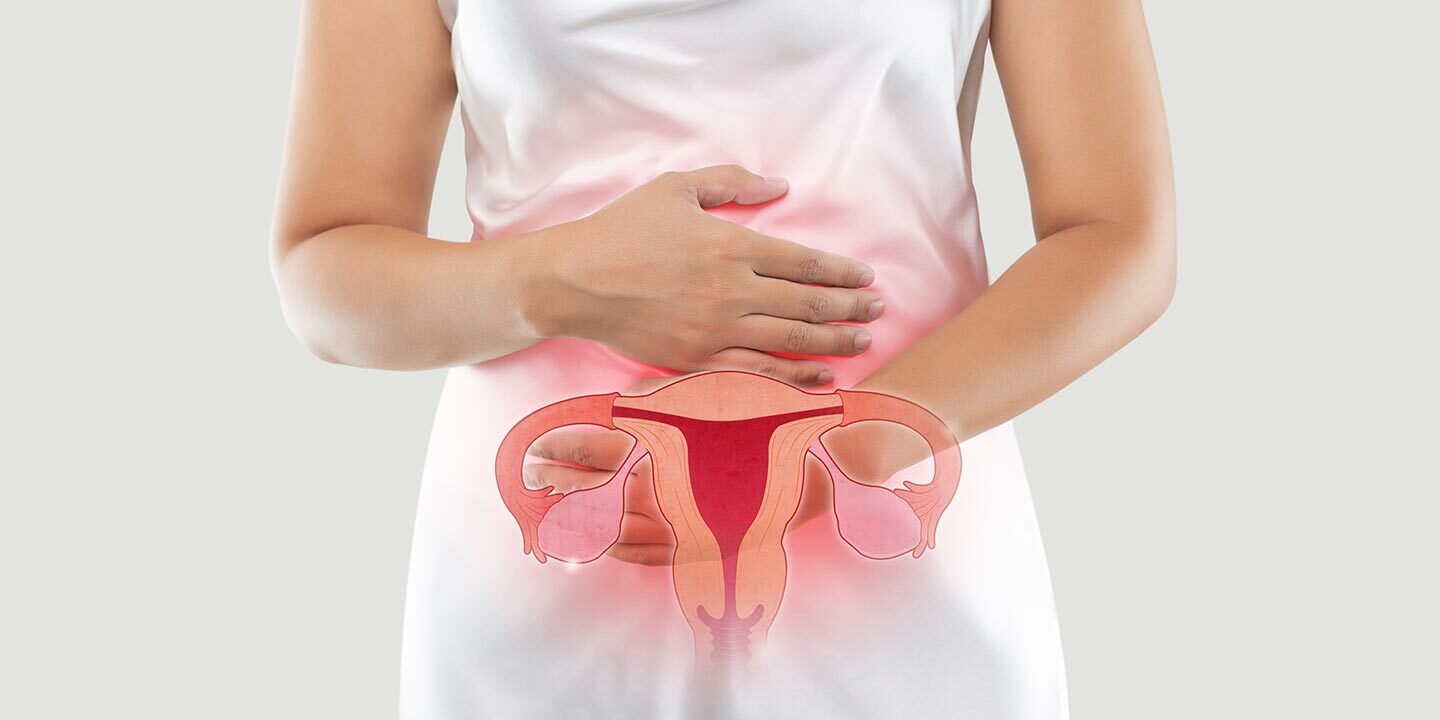
New Delhi, 09 October 2025: Ovarian cancer, often referred to as the “silent killer” because of its vague early symptoms, is one of the most deadly forms of cancer affecting women. While genetics and age have long been considered key risk factors, growing evidence suggests that obesity plays a significant and often overlooked role in increasing a woman’s risk of developing ovarian cancer. As obesity rates continue to rise globally, especially among women of reproductive and postmenopausal age, understanding this connection is vital for prevention and early detection.
The Link Between Obesity and Ovarian Cancer
Obesity is not merely a cosmetic or lifestyle issue—it is a serious metabolic condition that alters the body’s hormone levels, immune response, and inflammation levels, all of which are critical factors in the development of cancer. In obese women, excess fat tissue (especially visceral fat around the abdomen) produces higher levels of estrogen and insulin, both of which can stimulate the growth of cancerous cells in the ovaries. Moreover, obesity creates a state of chronic low-grade inflammation in the body, and inflammation is known to promote cancer development.
Hormonal Imbalance: The Estrogen Connection
One of the strongest pathways linking obesity to ovarian cancer is estrogen dominance. Fat cells are hormonally active and convert other hormones into estrogen. When there is excessive body fat, especially after menopause, estrogen levels remain elevated for prolonged periods. This hormonal imbalance is believed to promote the uncontrolled division of cells in the ovaries, increasing the likelihood of mutations and malignant growths.
Chronic Inflammation and Immune Suppression
Obesity also promotes chronic inflammation—a biological state where the immune system is constantly activated, which can damage cells and DNA over time. Inflammatory molecules such as cytokines and adipokines released by fat tissue not only increase cancer risk but also suppress immune surveillance, the body’s natural ability to detect and destroy abnormal cells. This makes it easier for cancerous cells to survive, grow, and spread undetected.
Insulin Resistance and Growth Factors
Another key factor is insulin resistance, which is common in individuals with obesity. Elevated insulin levels and insulin-like growth factors can promote cell proliferation and reduce programmed cell death (apoptosis), both of which can lead to the formation and progression of tumors in ovarian tissue. Obese women are also more likely to develop type 2 diabetes, which further compounds the risk.
Obesity and Cancer Detection Challenges
Obesity doesn’t just increase the risk of ovarian cancer—it can also make it harder to detect. In overweight or obese women, abdominal fat may mask the signs of ovarian tumors, which are often mistaken for bloating, indigestion, or weight gain. As a result, diagnoses often occur at a later stage when treatment options are limited and less effective. Additionally, obesity can complicate imaging tests like ultrasounds and CT scans, delaying early intervention.
How Much Does Obesity Increase the Risk?
Studies have found that obese women have up to a 20-30% higher risk of developing ovarian cancer compared to women with a healthy weight. The risk may be even higher for women who gain significant weight during adulthood or who are obese before menopause. The association is particularly strong with certain subtypes of ovarian cancer, including endometrioid and mucinous tumors.
Prevention: What Women Can Do
While some ovarian cancer risk factors like age and genetics cannot be changed, body weight is a modifiable risk factor. By adopting a healthy lifestyle, women can take proactive steps to reduce their risk:
- Maintain a healthy weight through a balanced diet and regular exercise.
- Avoid processed foods, sugary drinks, and trans fats that contribute to weight gain and inflammation.
- Monitor hormone levels, especially during menopause.
- Consider weight loss programs under medical supervision if BMI is consistently above 30.
- Attend regular gynecological check-ups and be vigilant about symptoms like bloating, pelvic pain, or changes in appetite.
Obesity is far more than a cosmetic concern—it is a major health risk that can silently contribute to life-threatening conditions like ovarian cancer. Understanding how excess weight affects hormone balance, inflammation, and cancer development empowers women to make informed choices about their health. By managing weight and embracing a healthier lifestyle, women can significantly reduce their risk of ovarian cancer and improve their overall well-being. Early intervention and lifestyle changes today can be the difference between a healthy tomorrow and a difficult diagnosis.














Leave a comment