


New Delhi, 20 December 2024: A recent scientific study has revealed that nano-plastics, microscopic particles resulting from the breakdown of larger plastic waste, may play a significant role in the spread of antibiotic resistance. This alarming discovery highlights a new dimension of environmental and health challenges posed by plastic pollution, particularly its potential impact on microbial ecosystems and public health.
What Are Nano-Plastics?
Nano-plastics are tiny plastic particles less than 1,000 nanometers in size, often generated through the degradation of larger plastics in the environment. These particles are pervasive, found in soil, water, air, and even within living organisms. Due to their size, they can interact with microbial communities, potentially altering the way bacteria grow, adapt, and survive.
The Link Between Nano-Plastics and Antibiotic Resistance
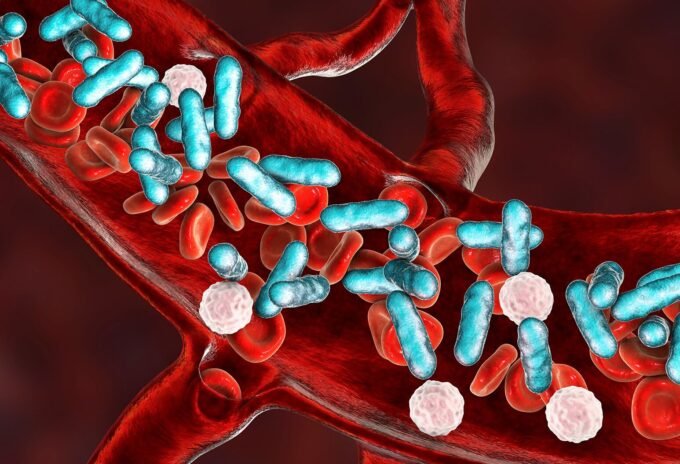
Antibiotic resistance occurs when bacteria evolve to withstand the effects of medications designed to kill them. This resistance is a growing global health concern, with millions of deaths attributed to drug-resistant infections annually. The new study suggests that nano-plastics may exacerbate this crisis by acting as carriers for antibiotic-resistant genes (ARGs).
Key Findings Include:
Enhanced Gene Transfer: Nano-plastics provide surfaces that facilitate the transfer of antibiotic-resistant genes among bacteria, speeding up the spread of resistance.
Biofilm Formation: These particles promote the development of biofilms—a protective layer where bacteria thrive and exchange genetic material more efficiently.
Chemical Interaction: Nano-plastics often carry pollutants or residual antibiotics, further driving bacterial adaptation and resistance.
Lead researcher Dr. Anna Carlson explained, “Nano-plastics create a conducive environment for bacteria to develop and share resistance traits, posing a dual threat to environmental and human health.”
Environmental and Health Implications
The presence of nano-plastics in ecosystems disrupts natural microbial processes, which are crucial for maintaining soil fertility, water purification, and disease control.
Impacts Include:
Contamination of Food and Water Sources: Nano-plastics infiltrate agricultural lands and aquatic systems, entering the food chain and exposing humans and animals to antibiotic-resistant bacteria.
Health Risks: Ingesting nano-plastics through contaminated food or water may lead to direct exposure to resistant pathogens, complicating treatment options for infections.
What Can Be Done to Address the Threat?
The study underscores the urgent need for action at multiple levels to mitigate the risks associated with nano-plastics and antibiotic resistance.
Reducing Plastic Pollution: Limiting plastic waste through recycling, sustainable materials, and reduced usage is essential to curb nano-plastic generation.
Enhanced Waste Management: Advanced methods for managing plastic waste can prevent its breakdown into nano-sized particles.
Monitoring and Regulation: Governments must implement stringent policies to monitor nano-plastics in the environment and regulate their impact on microbial communities.
Promoting Research: Continued investigation into the interaction between nano-plastics and microbial ecosystems is vital for developing effective mitigation strategies.
Global Perspective and Future Outlook
The discovery of nano-plastics as agents in the spread of antibiotic resistance adds to the mounting evidence of the far-reaching consequences of plastic pollution. It also aligns with global calls for a comprehensive approach to tackle environmental and public health issues simultaneously.
Dr. Carlson concluded, “Addressing the nano-plastic threat is critical to preserving the efficacy of antibiotics and safeguarding future generations from the twin crises of pollution and resistance.”
The emergence of nano-plastics as contributors to antibiotic resistance highlights the interconnectedness of environmental degradation and public health challenges. Immediate action to reduce plastic waste, combined with robust research and policy measures, is essential to mitigate this growing threat. Awareness and collective effort are key to preventing further escalation of this silent crisis.













Leave a comment