

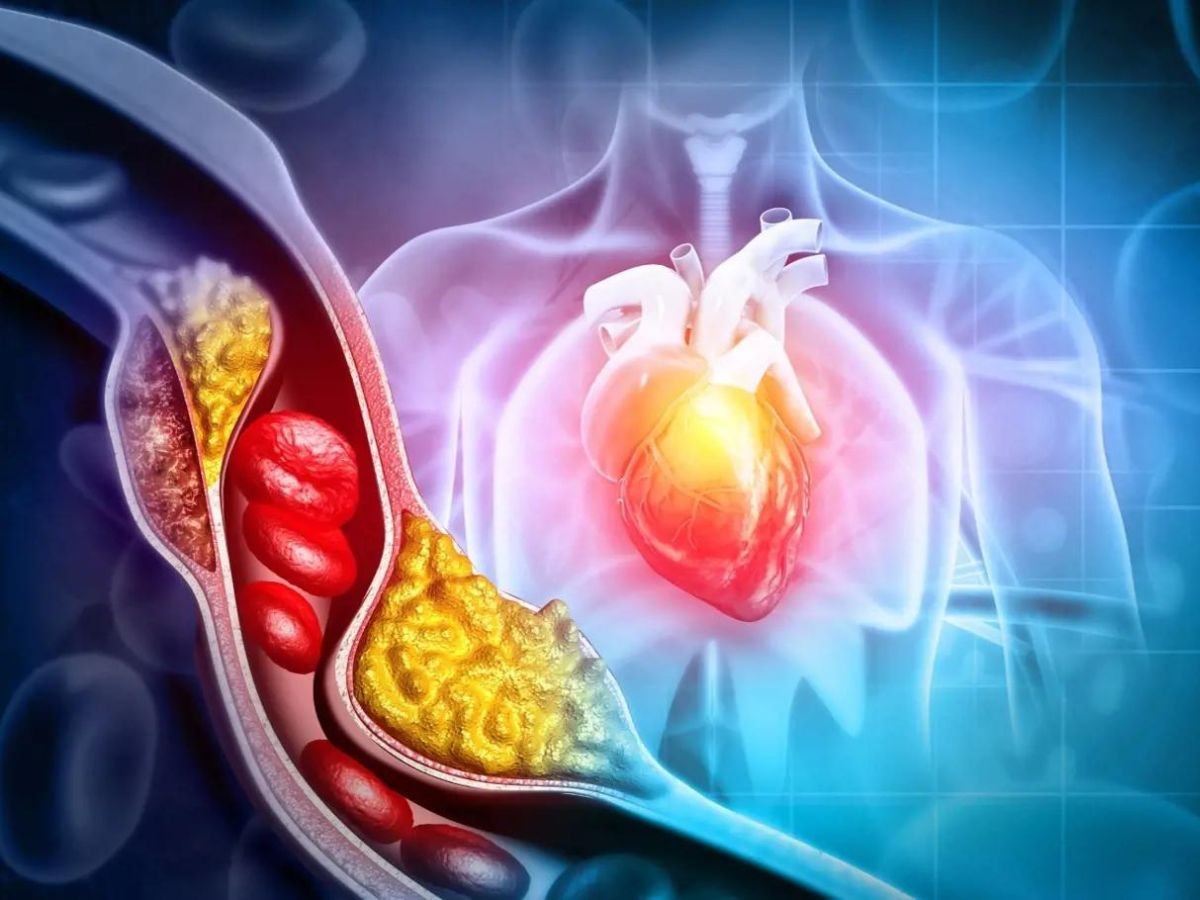
New Delhi, 06 November, 2025: High cholesterol is often called the “silent killer”—and for good reason. It develops quietly, without obvious symptoms, yet it can wreak havoc on your cardiovascular system for years before showing any signs of trouble. By the time symptoms appear, significant damage may already have occurred.
In today’s fast-paced world, where processed foods and sedentary lifestyles are common, high cholesterol has become a widespread health issue. According to the World Health Organization, elevated cholesterol levels contribute to more than 4 million deaths globally each year due to heart disease and stroke. Despite this, many people remain unaware of the risks or dismiss cholesterol as something that only affects older adults.
In this article, we’ll explore what cholesterol really is, the symptoms you should never ignore, and what doctors say about managing it before it leads to life-threatening complications.
What Is Cholesterol and Why Does It Matter?
Cholesterol is a waxy, fat-like substance found in every cell of your body. It’s essential for building healthy cells, producing hormones, and aiding digestion. However, when cholesterol levels become too high—especially the “bad” kind—it can build up in your arteries, restricting blood flow and increasing your risk of heart disease and stroke.
There are two main types of cholesterol:
- Low-Density Lipoprotein (LDL): Known as the “bad cholesterol”, it can accumulate on artery walls, forming plaques that narrow or block blood flow.
- High-Density Lipoprotein (HDL): The “good cholesterol”, which helps remove LDL from the bloodstream, carrying it back to the liver for elimination.
A third important component is triglycerides, a type of fat in your blood. High triglyceride levels combined with high LDL and low HDL further elevate your risk of cardiovascular problems.
Why High Cholesterol Often Goes Unnoticed
One of the most dangerous aspects of high cholesterol is that it rarely causes immediate symptoms. You can feel perfectly healthy while plaque silently builds up in your arteries—a process called atherosclerosis. Over time, this buildup can lead to serious, even fatal, events such as:
- Heart attack
- Stroke
- Peripheral artery disease (PAD)
- Kidney damage
Doctors often refer to high cholesterol as a “silent condition” because it can progress unnoticed for years. The only reliable way to detect it early is through a blood test, known as a lipid profile or cholesterol panel.
Subtle Symptoms You Should Never Ignore
While high cholesterol itself may not cause symptoms, it often leads to conditions that do. Recognizing these warning signs can help you take action before irreversible damage occurs.
1. Chest Pain or Discomfort (Angina)
When cholesterol buildup restricts blood flow to the heart, you may experience chest pain, pressure, or tightness—especially during physical activity or stress. This is a key symptom of coronary artery disease (CAD). If the pain is severe or accompanied by shortness of breath, dizziness, or sweating, it could indicate a heart attack, requiring immediate medical attention.
2. Numbness or Weakness in Limbs
Plaque buildup can also affect arteries in your legs and arms, leading to peripheral artery disease (PAD). You might notice numbness, weakness, or cramping in your legs while walking or climbing stairs. Coldness in one foot compared to the other or slow-healing sores on your feet can also be red flags.
3. Yellowish Patches on Skin or Around Eyes (Xanthomas)
One visible sign of high cholesterol is the appearance of xanthomas—yellow, fatty deposits under the skin. These can develop on the eyelids, elbows, knees, or tendons. While painless, they signal dangerously high cholesterol or inherited lipid disorders and should prompt a visit to your doctor.
4. Fatigue and Shortness of Breath
When arteries become narrowed due to cholesterol buildup, your heart must work harder to pump blood. This can lead to fatigue, lightheadedness, or breathlessness, even during mild activity. Such symptoms may indicate reduced oxygen supply to your heart and muscles.
5. Pain in the Neck, Jaw, or Back
Sometimes, heart-related pain caused by cholesterol-induced blockages manifests in unexpected areas such as the neck, jaw, or upper back. These pains may appear mild or fleeting, but they should never be ignored, especially if they occur alongside chest discomfort.
6. High Blood Pressure
Although not a direct symptom, hypertension often accompanies high cholesterol. Plaque buildup stiffens and narrows the arteries, forcing the heart to pump harder to circulate blood. Over time, this combination significantly raises the risk of heart attack and stroke.
7. Vision Changes
Excessive cholesterol can cause small deposits to form in the eyes, leading to blurry vision or a grayish ring around the cornea (arcus senilis). Sudden loss of vision or partial blindness may signal a blocked artery in the eye—a medical emergency.
The Hidden Dangers: What Doctors Want You to Know
According to cardiologists, the real danger of high cholesterol lies in its long-term effects. The damage it causes accumulates silently, often starting in early adulthood. By the time symptoms appear, arteries may already be severely narrowed or hardened.
Dr. Karen Mitchell, a cardiologist at the American Heart Association, explains:
“Most people don’t realize they have high cholesterol until they experience a major cardiovascular event. That’s why regular screening and lifestyle management are crucial—even if you feel healthy.”
The hidden dangers include:
- Atherosclerosis: Gradual plaque buildup that restricts blood flow.
- Coronary artery disease: Reduced oxygen to the heart, leading to angina or heart attack.
- Stroke: When cholesterol-laden plaques rupture, causing a clot that blocks blood flow to the brain.
- Peripheral artery disease: Restricted blood flow to limbs, increasing risk of infection or amputation.
- Chronic kidney disease: When cholesterol affects the arteries supplying the kidneys.
Who Is Most at Risk?
Certain factors increase your risk of developing high cholesterol:
- Genetics: Family history of high cholesterol or early heart disease.
- Unhealthy diet: High intake of saturated fats, trans fats, and processed foods.
- Lack of exercise: Sedentary lifestyle leading to weight gain and poor circulation.
- Smoking: Lowers HDL (“good”) cholesterol and damages artery walls.
- Age and gender: Cholesterol levels tend to rise with age; men are at higher risk earlier in life.
- Diabetes or high blood pressure: Both conditions worsen cholesterol’s impact on arteries.
If you fall into any of these categories, routine blood tests and preventive measures are vital.
How to Manage and Lower High Cholesterol
The good news is that high cholesterol is both preventable and manageable. Doctors emphasize that lifestyle modifications can significantly reduce your risk—sometimes even more effectively than medication.
1. Adopt a Heart-Healthy Diet
Focus on foods that lower LDL and boost HDL cholesterol:
- Eat more: Fruits, vegetables, whole grains, nuts, legumes, and fatty fish (like salmon and sardines).
- Limit: Red meat, full-fat dairy, fried foods, and processed snacks.
- Choose healthy fats: Olive oil, avocado, and nuts instead of butter or margarine.
- Add fiber: Soluble fiber from oats, beans, and apples helps reduce cholesterol absorption.
2. Exercise Regularly
Physical activity raises HDL (good) cholesterol and improves circulation. Aim for at least 150 minutes of moderate-intensity exercise per week, such as brisk walking, cycling, or swimming. Even short, daily walks make a difference.
3. Maintain a Healthy Weight
Losing even 5–10% of body weight can significantly improve cholesterol levels and lower your risk of heart disease. Combine balanced nutrition with regular activity for sustainable results.
4. Quit Smoking and Limit Alcohol
Smoking damages arteries and lowers HDL cholesterol. Quitting improves heart health almost immediately. Moderate alcohol intake may raise HDL slightly, but excessive drinking increases triglycerides and heart risk.
5. Manage Stress
Chronic stress can indirectly raise cholesterol by increasing cortisol and triggering unhealthy habits like overeating or smoking. Try relaxation techniques such as meditation, deep breathing, or yoga.
6. Take Medication if Prescribed
In some cases, lifestyle changes aren’t enough. Doctors may prescribe cholesterol-lowering medications such as statins, niacin, fibrates, or bile acid sequestrants. Always follow your doctor’s guidance and never stop medication abruptly.
High cholesterol may be silent, but its consequences are not. It can quietly damage your arteries for years, setting the stage for heart attacks, strokes, and other serious illnesses. The good news? You have the power to prevent it.
Through regular check-ups, heart-healthy habits, and awareness of subtle warning signs, you can take control of your health before high cholesterol takes control of you. Remember, prevention is far easier—and far safer—than treatment after a cardiac event.
Listen to your body, prioritize routine screenings, and commit to a balanced lifestyle. Your heart—and your future—depend on it.
- atherosclerosis
- Blood Pressure
- Cardiovascular Disease
- cholesterol management
- cholesterol symptoms
- Diet and Nutrition
- doctor advice
- Health Tips
- Healthy Lifestyle
- heart attack prevention
- heart disease prevention
- Heart Health
- High Cholesterol
- high LDL
- low HDL
- medical awareness
- Medical Education
- stroke risk
- Triglycerides
- wellness










Leave a comment