

Pregnancy is one of the most transformative phases in a woman’s life. Along with the excitement and anticipation, it also brings significant physical and hormonal changes. During this time, maintaining good health becomes extremely important not just for the mother, but also for the developing baby. One of the most crucial aspects of maternal health during pregnancy is blood sugar control.
According to Dr Anita David, Consultant Gynaecologist at HOSMAT, “Elevated blood sugar levels, whether due to gestational diabetes or pre-existing diabetes, can have serious consequences if not managed properly. The impact is not limited to the mother alone; it directly affects the baby as well.”
Let us know how high blood sugar works and how expectant mothers take timely action and ensure a healthy pregnancy.
What is high blood sugar in pregnancy?
There are normally two high blood sugar conditions during pregnancy only in one of these gestational diabetes situations or in case the mother has diabetes before the pregnancy. Gestational diabetes occurs when the hormonal balance disrupts the normal manner in which the body could normally utilize insulin. Insulin is the hormone that controls the sugar in the blood. The placenta produces hormones during pregnancy which can render insulin ineffective resulting in a rise of glucose in the blood.
With pre-existing diabetes, the disease already exists before the pregnancy and it must be carefully handled within the gestation period. The most alarming aspect of the condition is that the surplus glucose in maternal blood has the potential of passing through the placenta. This implies that the baby will be directly exposed to large amounts of sugar and this can affect its growth and development.
Why you may have protein in your urine.
There are many possible reasons protein can be found in your urine. Medications, pregnancy, UTIs etc can also be a factor.
But I’m going to talk about a very common one.
HIGH BLOOD SUGAR.
In people with high sugar levels.
The… pic.twitter.com/VcnLh4n6rM
— Doctor Of The Future™ (@g_diets_) October 31, 2024
How high blood sugar affects the mother?
High blood sugar level may cause several complications to the mother during pregnancy. Some of these problems might not appear to be crucial, but there are those that would be serious unless one handles them at the early stages.
1. Increased risk of high blood pressure and preeclampsia
High blood pressure is one of the greatest dangers of having high blood sugar. Raised glucose level may increase the risk of developing hypertension in pregnancy. This can also cause preeclampsia which is a severe illness that features a high blood pressure, swelling and even organ damage (liver and kidneys). Preeclampsia may be life-threatening to the baby and the mother unless addressed as early as possible.
2. Higher chances of infections
High blood sugar levels increase the vulnerability of women to infections, especially urinary tract infections (UTIs) and vaginal infections. Glucose accumulates in the body and this leads to an environment in which bacteria and yeast develop are able to grow easily.
Pregnant women who become frequent sufferers of infections endure the burden of discomfort, complications and might have to have repeated medical care, thus presenting pregnancy management with an overall problem.
3. Difficult delivery and increased cesarean risk
Excessive growth of the baby which is referred to as macrosomia is usually a result of high blood sugar. Bigger infants will complicate vaginal delivery and risk a prolonged labour process and birth damages. Due to this, many women who have uncontrolled blood sugar levels can be in need of a cesarean section (C-section) to deliver safely. Although C-sections are ordinary, they are accompanied by a higher rate of recovery and extra dangers than normal birth.
4. Increased risk of developing Type 2 diabetes later
Gestational diabetes can be outgrown once labour is delivered but it causes a permanent residual effect. The women developing high blood sugar during pregnancy have a lot higher chance of diabetes later in life which is Type 2. This renders postpartum checks and lifestyle adjustments imperative, even after the birth.
How high blood sugar affects the baby?
The health consequences of having high proportions of sugar in the blood during pregnancy are not just confined to the mother. The child is as well susceptible since the mother’s glucose is exchanged by the placenta. This exposure has the potential to influence the development of the baby, birth and even prolonged health of the baby.
1. Macrosomia (large baby)
Macrosomia (large baby) is one of the most prevalent effects of high blood sugar levels in which the baby develops bigger than normal. Once there is glucose beyond the normal levels in the baby, the baby develops more glucose and insulin in the form of the pancreas. This augmented insulin is a growth hormone causing overweight gain. A bigger baby may cause problems during birth such as shoulder dystocia (stuck shoulder of baby) which puts both baby and mother at risk of being injured.
2. Increased risk of preterm birth
High levels of sugar level in blood may cause higher chances of early birth when a baby is born before completing the 37 weeks of pregnancy. Premies tend to have poorly developed organs and might need specialised treatment in neonatal intensive care units (NICU). Premature birth may also present the child with long-term health issues.
3. Low blood sugar after birth (neonatal hypoglycemia)
Infants born to mothers who have the high blood sugars tend to generate more amounts of insulin in the womb. The insulin levels of the baby might remain high after the supply of glucose by the mother cuts off due to birth. It may lead to an acute decrease in blood sugar levels of the baby, a situation referred to as neonatal hypoglycemia. Otherwise, it may cause complications, including difficulties with feeding or even seizures, in case it is not mitigated in a timely fashion.
4. Breathing difficulties
Pregnancy elevates the chances of respiratory syndrome disease (RDS) in newborn infants due to high blood sugar levels. It arises when the lungs of the baby are not properly developed and he or she is not able to breathe easily after birth. These babies might need to have oxygen-support or care after delivery.
5. Long-term health risks
The effect of high blood sugar is not limited to the birth. When children are born with mothers who had no control over the level of sugar in the blood, their chances of developing obesity and Type 2 diabetes were high in the future. It is a reminder of how essential it is to control blood sugar not only to ensure a good outcome in the current pregnancy, but also in the health of the child in the long run.
How to manage blood sugar effectively during pregnancy?
The positive sides are that high blood sugar in pregnancy can be successfully treated with the appropriate approach. Through good care and medical advice, majority of women have a good pregnancy and get their baby to be healthy.
1. Regular monitoring of blood sugar levels
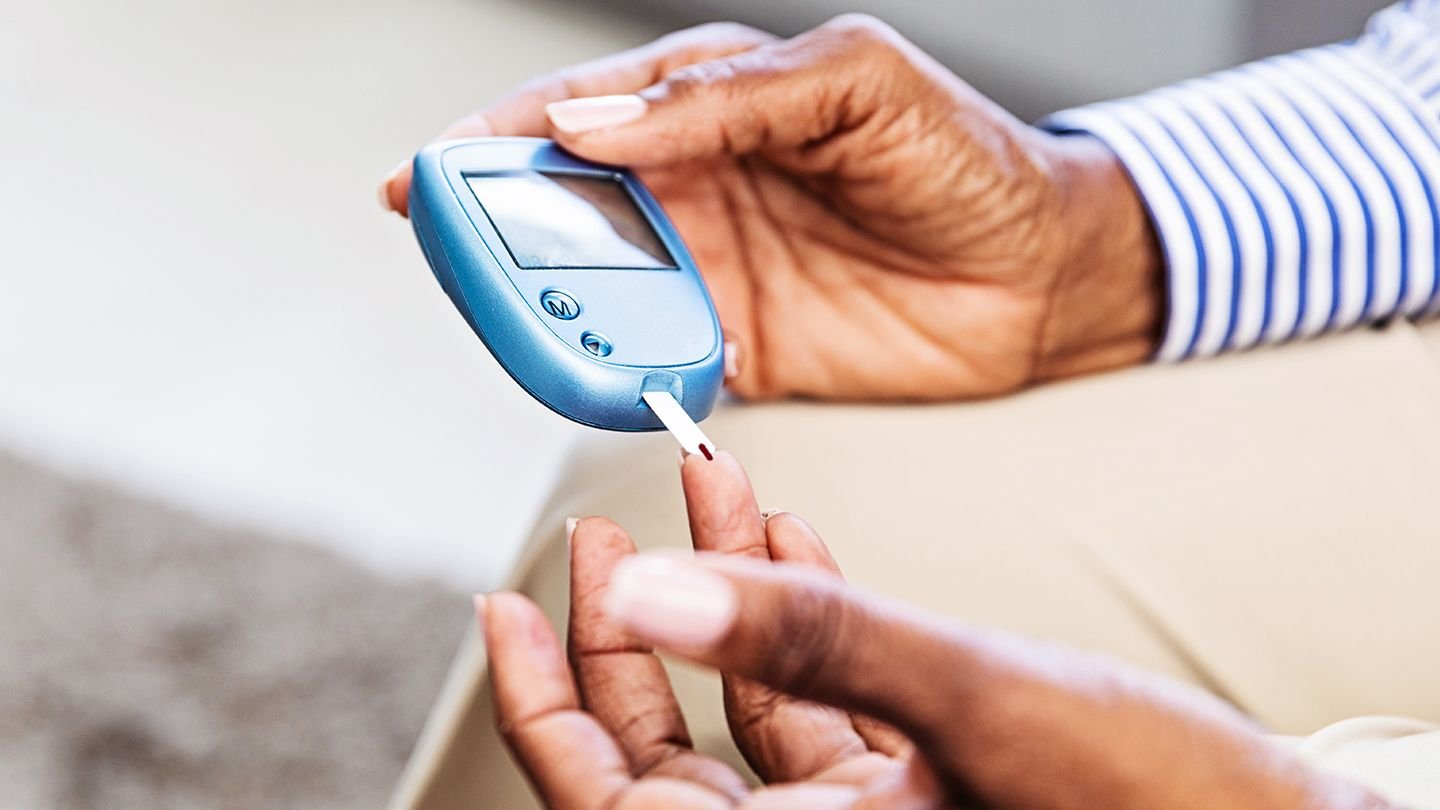
Incorrect monitoring of blood glucose level is among the most significant methods of controlling the condition. Frequent checkups can serve to monitor the sugar level to maintain it at the right level. Physicians can recommend home monitoring of blood sugar with a glucometer, and a regular laboratory analysis.
2. Following a balanced and controlled diet
What you eat is very important when it comes to controlling the level of glucose. The sudden spikes in glucose can be avoided with the help of a well-planned diet which is preoccupied with controlled intake of carbohydrates.
This usually includes:
- Whole grain over refined carbs.
- Ample vegetables and foods rich in fibre.
- Lean proteins
- Minimal consumption of sweet and processed foods.
A dietitian can also be consulted to have a customised meal plan to meet the pregnancy needs.
3. Staying physically active
Approved and safe physical activity will help a lot in increasing the insulin level. Exercise like walking, prenatal yoga or light exercises, can be done to control the level of sugar in the blood. However, one should seek medical advice prior to adopting any form of exercise during pregnancy.
4. Medical treatment when required
With others, lifestyle changes alone might not be sufficient in managing blood sugar levels. Physicians can prescribe drug or insulin to maintain level within normal range. Medical advice must be obeyed to prevent complications and have a safe pregnancy.
The importance of personalised care
Pregnancies are unique and the treatment of high blood sugar needs to be individualised. Routine check-ups, open communication with medical personnel and adherence to medical advice can help a lot. Proactive screening and individualised care are fundamental to the well being of mother and child as Dr Anitha David stresses.
Conclusion
The most important one is knowledge, constant scrutiny and being proactive about health. Minutiae things, such as eating healthy, exercising, and making regular visits, can go a long way in making the pregnancy experience a smooth ride.
When it comes to pregnancy, all has to work toward making the health of a person improved are not just helpful in the current moment, but in the future too creating a healthier future to both mother and child.
Disclaimer: Dear readers, this article provides general information and advice only. It is not at all professional medical advice. Therefore, always consult your doctor or a healthcare specialist for more information.















Leave a comment