

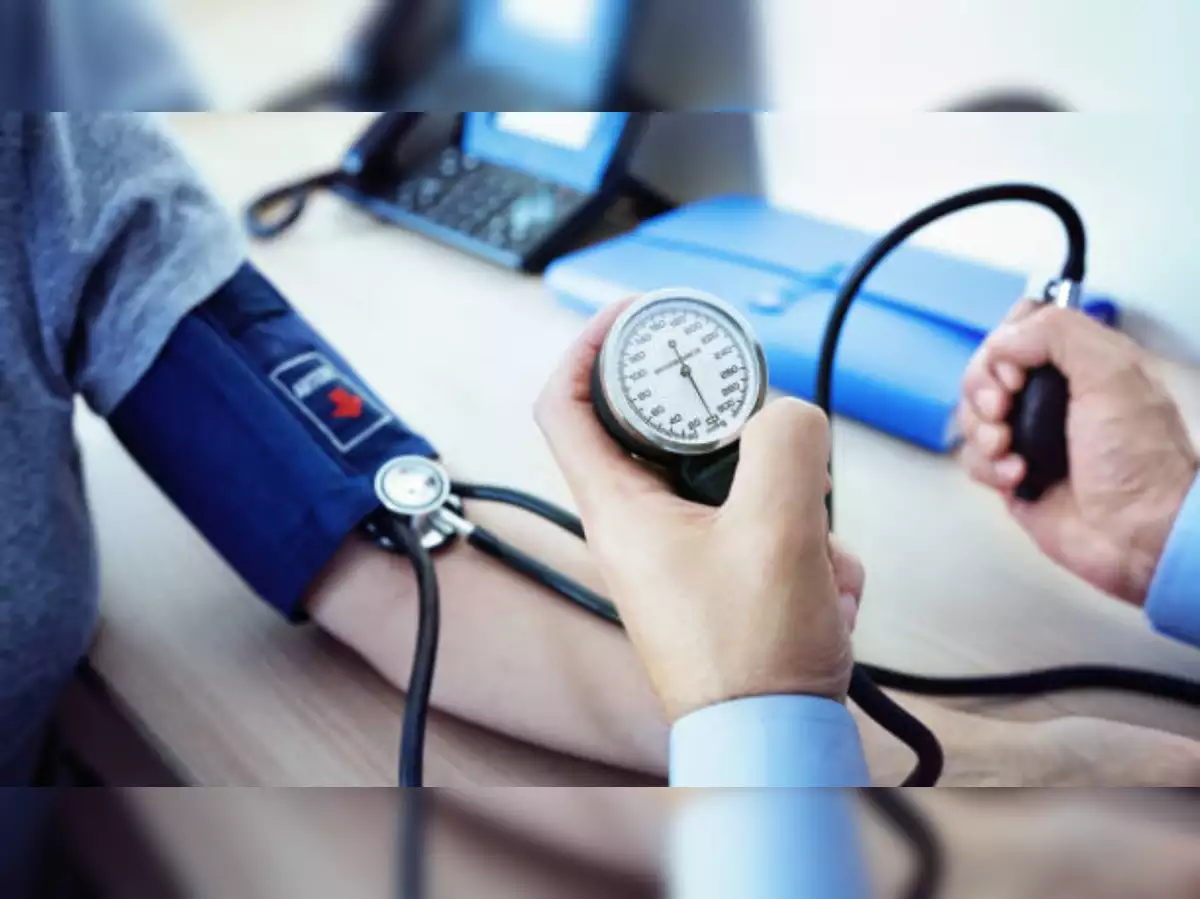
New Delhi, 28 August 2025: High blood pressure, or hypertension, is no longer a condition exclusive to the elderly. An increasing number of people in their 30s are being diagnosed with it, often without even realizing it. Dubbed the “silent killer,” hypertension typically shows no symptoms but can lead to severe complications like stroke, heart disease, and kidney damage if left untreated.
The good news? If caught early, high blood pressure can often be managed and even reversed without medication—through simple lifestyle changes. Here’s how you can take control of your health before pills become the only option.
Why Is High Blood Pressure Appearing Earlier?
Several factors are contributing to the rise of high blood pressure in younger adults, including:
- Sedentary lifestyles (long hours of desk jobs, lack of physical activity)
- Poor dietary choices (excessive sodium, processed foods, sugar)
- Chronic stress and poor sleep hygiene
- Increasing obesity rates
- Excessive caffeine and alcohol intake
Recognizing the risk in your 30s means you still have time to prevent long-term damage—and it starts with lifestyle intervention.
10 Natural Ways to Lower Blood Pressure Without Medication
1. Reduce Sodium Intake
Salt is a major culprit behind rising blood pressure. Processed foods, restaurant meals, and snacks are often packed with hidden sodium. The recommended daily limit is around 1,500–2,300 mg for most adults.
Try this:
- Cook more meals at home
- Choose low-sodium alternatives
- Avoid adding extra salt at the table
2. Eat More Potassium-Rich Foods
Potassium helps balance sodium levels and eases tension in blood vessel walls. It’s a natural blood pressure regulator.
Include more:
- Bananas
- Sweet potatoes
- Spinach
- Avocados
- Beans
- Oranges
Avoid potassium supplements unless prescribed, as too much can affect heart rhythm.
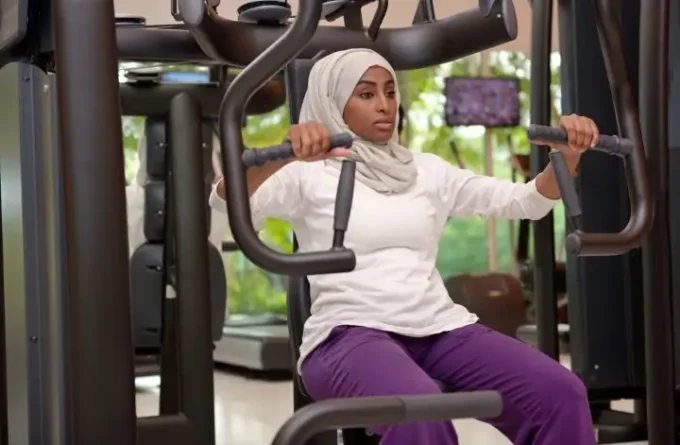
3. Move Your Body—Consistently
Regular physical activity makes your heart stronger and more efficient at pumping blood, which lowers pressure on the arteries.
Target:
- At least 30 minutes of moderate activity (e.g., brisk walking, cycling) 5 days a week
- Mix in strength training 2–3 times per week
Even light movement like stretching or a 10-minute walk after meals makes a difference.
4. Lose Excess Weight
Carrying extra weight—especially around the belly—can significantly raise your blood pressure. Losing just 5–10% of your body weight can have a measurable impact.
Start with small, sustainable changes:
- Cut out sugary drinks
- Control portion sizes
- Track progress with a journal or app
5. Manage Stress Effectively
Chronic stress contributes to high blood pressure by triggering the release of stress hormones like cortisol and adrenaline. These cause your heart to beat faster and your blood vessels to constrict.
Healthy coping strategies include:
- Deep breathing or meditation
- Yoga or stretching
- Nature walks
- Talking to a therapist or coach
Avoid stress-induced behaviors like smoking, overeating, or binge drinking.
6. Prioritize Quality Sleep
Sleep is your body’s natural reset mechanism. Poor sleep habits raise your risk of hypertension—even if you eat and exercise well.
Tips for better sleep:
- Stick to a consistent bedtime
- Avoid screens at least 1 hour before bed
- Create a calming bedtime routine
- Keep your bedroom cool and dark
If you snore loudly or feel tired during the day, consider screening for sleep apnea, which is linked to hypertension.
7. Cut Back on Alcohol
While moderate drinking (1 drink/day for women, 2 for men) is considered safe, exceeding this can sharply increase your blood pressure.
Try:
- Alcohol-free days during the week
- Switching to low-alcohol alternatives
- Tracking intake over time
8. Limit Caffeine
Caffeine can cause a short-term spike in blood pressure, especially in those who aren’t regular coffee drinkers or are sensitive to it.
What to do:
- Test your personal tolerance—check your BP before and after drinking coffee
- Limit to 1–2 cups/day if sensitive
- Avoid caffeine before bed
9. Stop Smoking
Every cigarette temporarily raises your blood pressure. Long-term, smoking stiffens your arteries and increases your risk of heart disease.
Quitting now helps:
- Lower BP within weeks
- Improve oxygen flow
- Reduce heart disease risk dramatically
There are many tools available—from nicotine patches to counseling—that can help you quit successfully.
10. Monitor Your Blood Pressure at Home
Home monitoring keeps you informed and motivated. Many people have “white coat hypertension,” where their blood pressure spikes in medical settings. Tracking it at home gives a clearer picture.
Choose a reliable monitor and track:
- At the same time each day
- Before meals and meds
- While seated calmly
Bring this data to your doctor for informed discussions.
When Should You See a Doctor?
If you’re under 40 and your blood pressure consistently reads above 130/80 mm Hg, it’s time to talk to a healthcare provider—even if you feel fine.
They may:
- Run labs to check for underlying causes
- Recommend temporary medication
- Help you create a personalized wellness plan
Ignoring early hypertension can lead to irreversible damage, so early action is critical.
What Happens If You Ignore High Blood Pressure in Your 30s?
Unchecked high blood pressure doesn’t just “go away.” Over time, it silently damages key organs including:
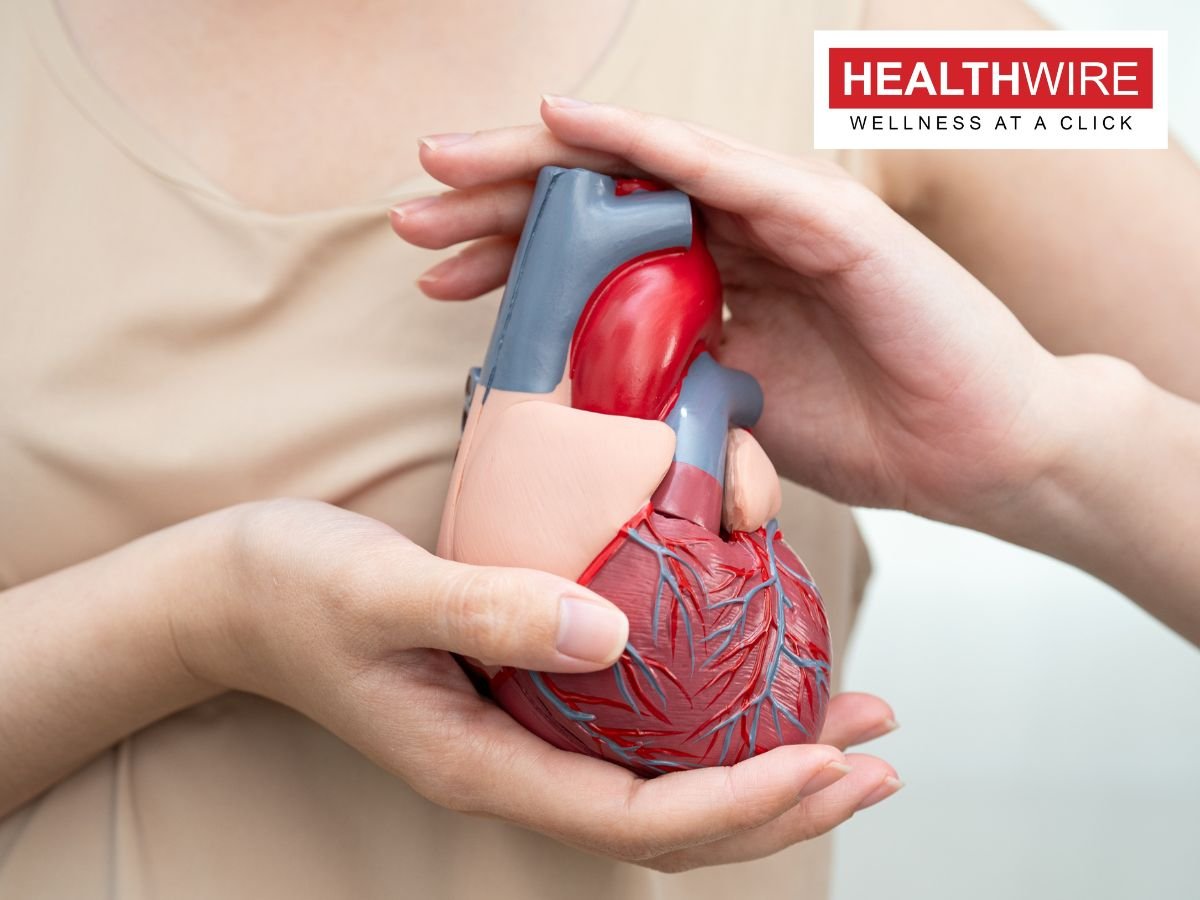
- The heart: Leading to heart attacks, heart failure, and arrhythmias
- The brain: Increasing stroke and cognitive decline risk
- The kidneys: Leading to chronic kidney disease or failure
- The eyes: Causing vision loss due to retinal damage
By catching it early and managing it naturally, you can avoid these complications altogether.
KEY HIGHLIGHTS
- High blood pressure in your 30s is more common than ever—but it’s not inevitable.
- You can manage or reverse it through consistent lifestyle changes without immediate medication.
- Nutrition, exercise, stress management, and sleep play powerful roles.
- Monitor your numbers regularly and consult a doctor for guidance.
Your 30s are the perfect time to get ahead of health risks—not wait for a warning sign. By taking control of your blood pressure today, you are investing in a healthier, stronger future.










Leave a comment