

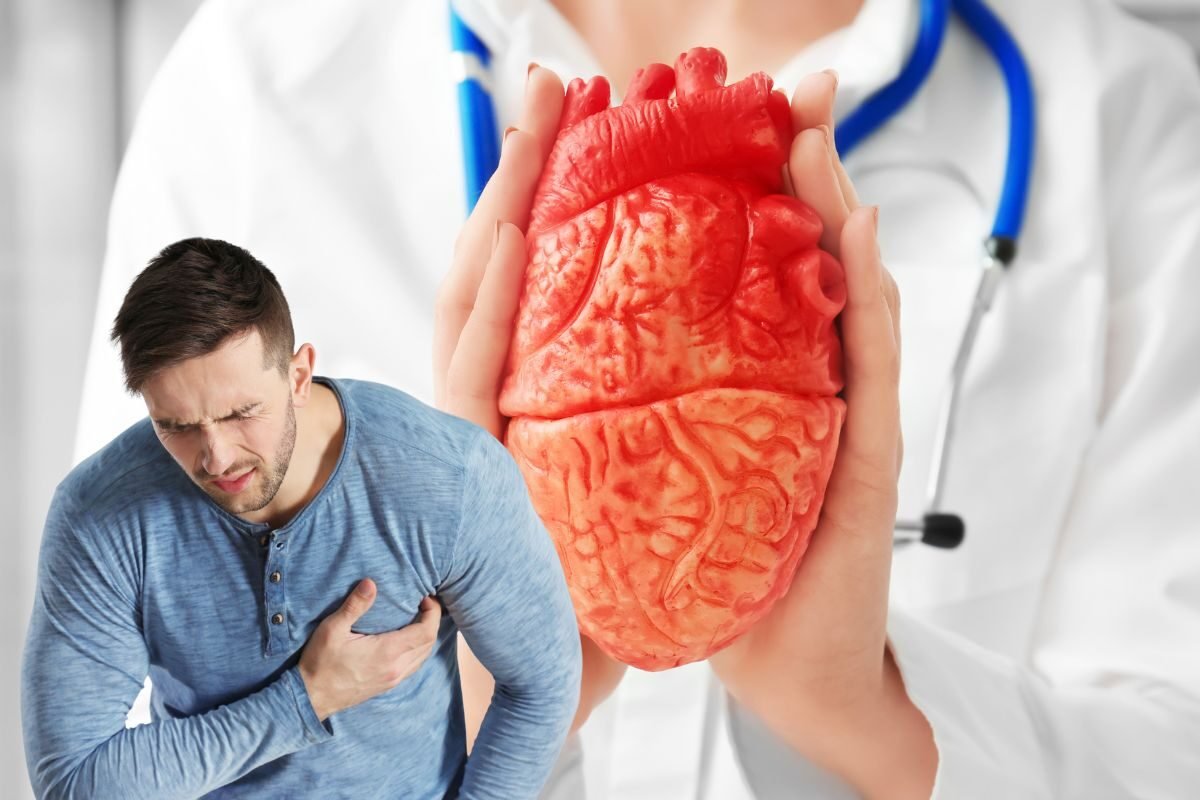
New Delhi, 25 October, 2025: Heart disease remains the leading cause of death worldwide, claiming millions of lives each year — and most of those deaths are preventable. The tragedy is that many heart attacks strike without warning, catching victims off guard. But in reality, the body often sends early distress signals days or even weeks before the crisis.
Recognizing these symptoms early and seeking immediate medical help can mean the difference between survival and tragedy. As awareness grows, understanding the warning signs of a heart attack has never been more critical — especially for those with risk factors like diabetes, obesity, stress, or high cholesterol.
What Is a Heart Attack?
A heart attack, medically known as myocardial infarction, occurs when blood flow to part of the heart muscle becomes blocked, depriving it of oxygen. The blockage is usually caused by a buildup of plaque — a mix of fat, cholesterol, and other substances in the coronary arteries. When a plaque ruptures, a blood clot forms, cutting off circulation to part of the heart.
Without prompt treatment, the affected muscle begins to die. That’s why every minute counts — the faster you get treatment, the greater the chances of survival and full recovery.
The Classic Warning Signs of a Heart Attack
Many people think of a heart attack as a sudden, dramatic event — someone clutching their chest and collapsing. While that can happen, most heart attacks start gradually, with mild pain or discomfort.
Here are the key warning signs everyone should know:
1. Chest Pain or Discomfort
This is the most common symptom. It may feel like pressure, squeezing, fullness, or burning in the center or left side of the chest. The pain can last more than a few minutes or come and go. Some people describe it as “an elephant sitting on the chest.”
2. Shortness of Breath
You might find it suddenly hard to breathe — even without significant chest pain. It can occur during activity or rest, and often accompanies other symptoms like sweating or fatigue.
3. Pain Radiating to Other Areas
Heart attack pain doesn’t always stay in the chest. It can radiate to the arms (especially the left one), neck, jaw, back, or stomach. In some cases, people mistake it for indigestion or a pulled muscle.
4. Cold Sweat and Nausea
Breaking into a sudden cold sweat, feeling dizzy, or becoming nauseated can signal that your heart is under distress. These symptoms are often misinterpreted as food poisoning, anxiety, or flu.
5. Unusual Fatigue
Feeling unusually tired or drained — especially for women — can be an early indicator of a heart attack. It may occur several days before the event, often accompanied by poor sleep or shortness of breath.
6. Lightheadedness or Fainting
Dizziness, fainting, or sudden weakness may indicate a drop in blood flow due to cardiac distress. If this happens with chest discomfort, seek emergency help immediately.
Silent Heart Attacks: The Hidden Danger
Not everyone experiences the “typical” symptoms. Some people suffer what’s known as a silent heart attack, meaning the signs are so mild or atypical that they go unnoticed.
This type of heart attack is particularly common among women, diabetics, and older adults. Instead of sharp pain, they may feel only mild discomfort, fatigue, or shortness of breath.
Because silent heart attacks can cause lasting heart damage without ever being diagnosed, routine heart checkups and awareness of subtle signs are essential for at-risk individuals.
Early Warning Signs That Can Appear Days Before
Contrary to popular belief, heart attacks rarely occur out of nowhere. The body often sends out early distress signals days or even weeks in advance. Watch for these early warning signs:
- Unexplained chest tightness or discomfort, especially during exertion
- Shortness of breath climbing stairs or walking short distances
- Persistent fatigue or weakness
- Indigestion-like pain that doesn’t respond to medication
- Sudden anxiety, restlessness, or insomnia
If any of these occur, do not ignore them — consult a healthcare professional immediately. Early intervention can prevent a heart attack entirely.
Heart Attack Symptoms in Women vs. Men
Heart attack symptoms can vary significantly between men and women.
In Men:
- Sharp or crushing chest pain
- Pain radiating to the left arm or shoulder
- Shortness of breath
- Sweating and nausea
In Women:
- Mild chest discomfort or burning sensation
- Back, neck, or jaw pain
- Unusual tiredness or sleep disturbance
- Lightheadedness or nausea
Because women often experience subtler symptoms, many delay seeking medical help — a dangerous mistake that can reduce survival chances. Awareness of these gender differences can save lives.
What to Do If You Suspect a Heart Attack
If you or someone around you shows symptoms of a heart attack:
- Call emergency services immediately. Do not try to drive yourself to the hospital unless absolutely necessary.
- Chew an aspirin (unless allergic). It helps thin the blood and may reduce damage.
- Stay calm and sit or lie down. Avoid physical exertion.
- Keep monitoring breathing and pulse. If the person becomes unconscious, begin CPR if trained.
Remember, time equals muscle — the longer you wait, the more heart tissue dies.
Who Is at Risk?
Anyone can have a heart attack, but certain risk factors increase the likelihood significantly. These include:
- High blood pressure (hypertension)
- High cholesterol levels
- Diabetes
- Smoking
- Obesity and poor diet
- Physical inactivity
- Chronic stress
- Family history of heart disease
Even younger individuals are now at risk due to lifestyle changes, stress, and poor diet. Regular health screenings, especially for blood pressure, cholesterol, and glucose, are vital for early prevention.
How to Prevent a Heart Attack
The good news is that up to 80% of heart attacks are preventable through lifestyle changes and proper management of risk factors. Here are proven strategies to protect your heart:
1. Eat a Heart-Healthy Diet
Focus on fruits, vegetables, whole grains, lean protein, and healthy fats like olive oil and nuts. Avoid trans fats, excessive sugar, and processed foods.
2. Exercise Regularly
Aim for at least 150 minutes of moderate exercise per week — such as brisk walking, cycling, or swimming. Exercise strengthens the heart, improves circulation, and helps control weight.
3. Quit Smoking
Smoking damages arteries, increases blood pressure, and accelerates plaque buildup. Quitting is one of the most powerful steps you can take for heart health.
4. Manage Stress
Chronic stress raises blood pressure and triggers inflammation. Try relaxation techniques like deep breathing, meditation, yoga, or spending time in nature.
5. Control Blood Pressure and Diabetes
Regularly monitor your blood pressure and blood sugar levels. Follow prescribed medications and maintain a healthy lifestyle to keep them under control.
6. Get Regular Checkups
Routine heart health screenings — including cholesterol tests and ECGs — can detect early warning signs before they escalate.
Post-Heart Attack Recovery: A Second Chance at Life
For those who survive a heart attack, recovery can be a transformative journey. Cardiac rehabilitation programs help patients regain strength, manage stress, and adopt lifelong healthy habits.
It’s important to continue taking prescribed medications, follow a balanced diet, exercise safely, and avoid returning to old risk habits.
Support from family, friends, and healthcare professionals can make a huge difference in both emotional and physical healing.
When Prevention Becomes the Best Medicine
Heart attacks are no longer just a disease of the elderly. Modern lifestyles — filled with sedentary routines, fast food, and chronic stress — have made younger adults increasingly vulnerable.
But there is hope. By recognizing symptoms early, responding quickly, and maintaining a healthy lifestyle, most heart attacks are preventable.
Education and awareness remain the strongest weapons in saving lives.
Heart attacks are sudden, deadly, and often silent — but they are not inevitable. The key lies in awareness, prevention, and timely action. Learn to listen to your body, take every symptom seriously, and never ignore warning signs.
Whether it’s mild chest discomfort, shortness of breath, or unexplained fatigue — your body could be trying to tell you something important. Responding quickly can save your heart, and your life.
In the battle against heart disease, knowledge is power — and prevention is the ultimate cure.












Leave a comment