

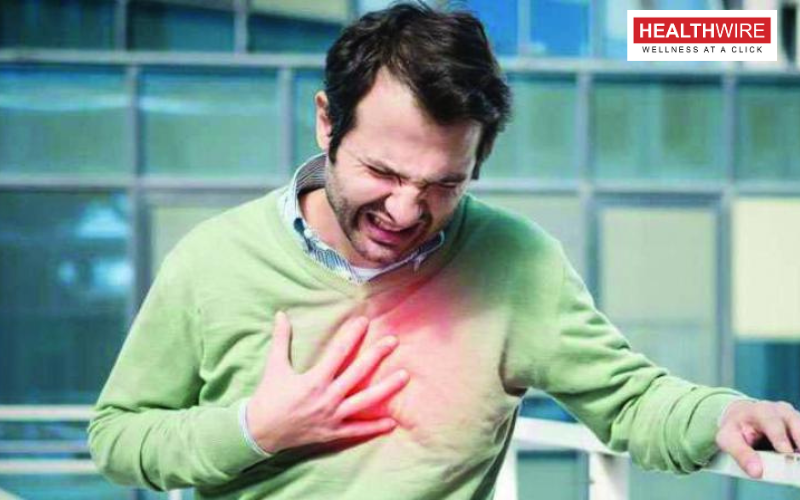
New Delhi, 01 November, 2025: When it comes to heart emergencies, two terms are often used interchangeably — heart attack and cardiac arrest. But while they may sound similar and are both life-threatening, they are very different medical conditions with distinct causes, symptoms, and treatment approaches.
Understanding the difference between a heart attack and a cardiac arrest can be the difference between life and death — both for yourself and for someone around you.
What Is a Heart Attack?
A heart attack, medically known as a myocardial infarction, occurs when blood flow to a part of the heart muscle is blocked — usually due to a buildup of fatty deposits (plaque) in the coronary arteries. These blockages prevent oxygen-rich blood from reaching the heart, causing the affected part of the heart muscle to become damaged or die if not treated quickly.
A heart attack is primarily a circulation problem — the heart is still beating, but the blood flow to it is restricted.
Common Causes:
- Coronary artery disease (plaque buildup)
- Blood clot formation
- Severe narrowing of the arteries
- Spasm of a coronary artery
Symptoms of a Heart Attack:
Heart attack symptoms can vary from person to person and may develop suddenly or gradually. Common signs include:
- Chest pain or discomfort (a heavy, squeezing, or burning sensation)
- Pain radiating to the arm, neck, jaw, or back
- Shortness of breath
- Sweating and nausea
- Dizziness or lightheadedness
- Fatigue or anxiety
It’s important to note that not all heart attacks cause intense chest pain. Some may be “silent”, particularly in women, diabetics, and older adults. Subtle signs like fatigue, breathlessness, or indigestion should never be ignored.
What Is a Cardiac Arrest?
Unlike a heart attack, a cardiac arrest is an electrical problem. It occurs when the heart’s electrical system malfunctions, causing it to suddenly stop beating effectively. This abrupt loss of heart function halts blood flow to the brain, lungs, and other vital organs, leading to unconsciousness within seconds and, if untreated, death within minutes.
The most common cause of cardiac arrest is ventricular fibrillation — a chaotic heart rhythm that prevents the heart from pumping blood.
Common Causes of Cardiac Arrest:
- Coronary artery disease or a previous heart attack
- Abnormal heart rhythms (arrhythmias)
- Cardiomyopathy (enlarged heart)
- Severe electrolyte imbalances
- Drug overdose or trauma
- Electrical shock
Symptoms of Cardiac Arrest:
Cardiac arrest often occurs suddenly and without warning. The immediate signs include:
- Sudden collapse
- No pulse
- No breathing or abnormal gasping
- Loss of consciousness
Without immediate intervention, the chances of survival drop dramatically — by about 10% for every minute without CPR or defibrillation.
Heart Attack vs. Cardiac Arrest: Key Differences
| Aspect | Heart Attack | Cardiac Arrest |
|---|---|---|
| Cause | Blockage in blood flow to heart muscle | Electrical malfunction causing heart to stop |
| Type of Problem | Circulatory problem | Electrical problem |
| Heartbeat | Heart continues to beat (may be weak) | Heart stops beating suddenly |
| Consciousness | Person usually conscious, may complain of chest pain | Person loses consciousness immediately |
| Emergency Response | Needs medical care quickly (hospital treatment) | Needs CPR and defibrillation immediately |
| Treatment | Medication, angioplasty, or surgery | CPR, AED (defibrillator), advanced cardiac life support |
Can a Heart Attack Lead to Cardiac Arrest?
Yes. A heart attack can sometimes trigger cardiac arrest. When the heart muscle is deprived of oxygen for too long, it can develop dangerous arrhythmias such as ventricular fibrillation, leading to cardiac arrest.
That’s why it’s critical to treat a heart attack as a medical emergency. Prompt treatment — within the “golden hour” — can restore blood flow and prevent cardiac arrest and irreversible heart damage.
What to Do in Case of a Heart Emergency
If someone is having a heart attack:
- Call emergency services immediately.
- Help them sit or lie down in a comfortable position.
- Loosen tight clothing and keep them calm.
- If available, give one adult aspirin (unless allergic or contraindicated).
- Monitor breathing and pulse until help arrives.
If someone collapses due to cardiac arrest:
- Call emergency medical help right away.
- Start CPR (Cardiopulmonary Resuscitation) immediately — push hard and fast in the center of the chest at a rate of 100–120 compressions per minute.
- Use an AED (Automated External Defibrillator) if available — follow the voice prompts.
- Continue CPR until professional help takes over.
Every minute counts. Quick action can double or triple the chances of survival in cardiac arrest cases.
Prevention: Protecting Your Heart Health
Whether it’s a heart attack or cardiac arrest, prevention always begins with a heart-healthy lifestyle. Here’s how to reduce your risk:
1. Maintain a Balanced Diet:
Eat a diet rich in fruits, vegetables, whole grains, lean proteins, and healthy fats. Limit processed foods, sugar, and trans fats.
2. Stay Physically Active:
Engage in at least 30 minutes of moderate exercise most days of the week to keep your heart strong.
3. Monitor Blood Pressure and Cholesterol:
High blood pressure and cholesterol can silently damage arteries over time. Regular check-ups help catch problems early.
4. Quit Smoking:
Smoking damages blood vessels and increases the risk of heart disease and sudden cardiac death.
5. Manage Stress:
Chronic stress releases hormones that strain the heart. Mindfulness, deep breathing, and adequate rest can improve emotional and heart health.
6. Control Diabetes:
Uncontrolled blood sugar accelerates plaque buildup in arteries and raises heart disease risk.
7. Know Your Family History:
Genetics play a role in heart health. Regular screenings and proactive care can reduce inherited risks.
When to Seek Medical Help
Never ignore warning signs such as chest discomfort, palpitations, shortness of breath, or unexplained fatigue. Even mild symptoms could be an early indicator of heart trouble.
Early intervention saves lives. Hospitals today have advanced cardiac units equipped to perform angioplasty, stenting, and bypass surgery that restore blood flow and prevent complications.
For cardiac arrest, immediate CPR and early defibrillation are the most effective lifesaving measures.
While heart attack and cardiac arrest are often confused, knowing the difference can be lifesaving. A heart attack is a plumbing issue — a blockage that restricts blood flow to the heart — whereas cardiac arrest is an electrical failure that causes the heart to stop suddenly.
Both are medical emergencies, but their treatment and response differ drastically. Quick recognition, prompt action, and preventive care can make all the difference between survival and tragedy.
Your heart works tirelessly for you — it’s time to return the favor. Know the warning signs, adopt a heart-healthy lifestyle, and act fast in emergencies. Because when it comes to heart health, every second truly counts.















Leave a comment