


New Delhi, September 13: Mpox, a viral illness related to smallpox, has been making headlines in recent years. Earlier this week, the Union Health Ministry of India confirmed that the country now has the year’s first Mpox virus case.
While the virus can cause serious illness, it’s important to understand how it’s transmitted. Contrary to popular belief, Mpox doesn’t easily spread through the air. Here’s a breakdown of how the virus is transmitted among humans.
How Does Mpox Virus Spread?
The primary way Mpox spreads among humans is through direct contact with an infected person. This can happen through:
Skin-to-skin contact: Touching an infected person’s rash, scabs, or sores can transmit the virus.
Contact with bodily fluids: Coming into contact with an infected person’s saliva. Respiratory secretions, or semen can also lead to transmission.
Contact with contaminated objects: Touching items like clothing, bedding, or towels that have been used by an infected person can potentially transmit the virus.
Airborne Transmission: Monkeypox Transmission Is Limited and Rare
While Mpox can spread through close and prolonged contact with an infected person, airborne transmission is not the primary mode of spread. The virus is not as easily airborne as other respiratory viruses like influenza or COVID-19.
There have been rare instances where Mpox has spread through large respiratory droplets produced when an infected person coughs or sneezes. However, this typically requires close and prolonged exposure to an infected individual.
The Role of Respiratory Droplets
Respiratory droplets are larger than airborne particles and tend to fall to the ground quickly. This means that they are less likely to travel long distances and infect people who are not in close proximity to an infected person.
Preventing Mpox Transmission: How Can You Stay Safe?
The best way to prevent monkeypox transmission is to avoid close contact with infected individuals. If you are at high risk of exposure, such as healthcare workers or people who have traveled to areas with active Mpox outbreaks, it’s important to take precautions, including:
Vaccination: The Mpox vaccine can provide protection against the virus.
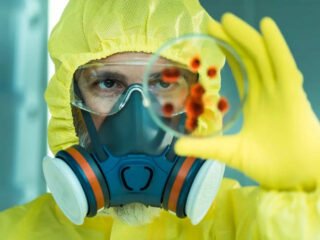
Personal protective equipment: Healthcare workers should wear appropriate personal protective equipment, such as gloves, gowns, and masks.
Good hygiene: Washing hands frequently with soap and water can help prevent the spread of germs.
Isolation: Infected individuals should isolate themselves to prevent the virus from spreading to others.
Read Also – India On Alert After Country Reports 1st Suspected Mpox Case, Patient Put Under Isolation, Says Govt
While monkeypox is a serious illness, it’s important to understand that it doesn’t spread easily through the air. The primary mode of transmission is through direct contact with an infected person or contaminated objects. However, as per World Health Organisation (WHO), following preventive measures and government issued guidelines, the countrymen can help control the spread of monkeypox.








Leave a comment