Home Latest News H5N1 Bird Flu Virus: Understanding Avian Flu and Its Global Health Threat
Latest News

H5N1 Bird Flu Virus: Understanding Avian Flu and Its Global Health Threat

Share
Bird Flu
Bird Flu
Share

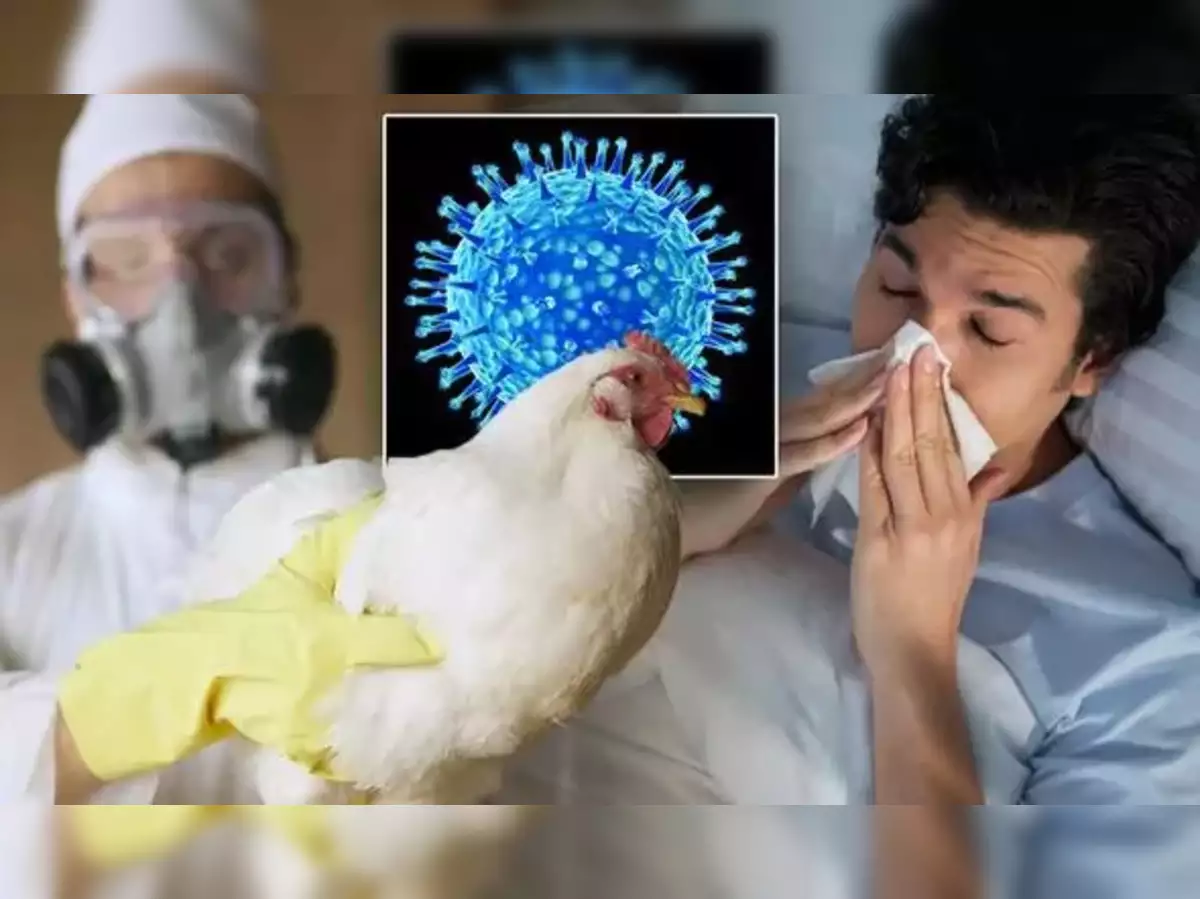
New Delhi, 20 December 2024: The H5N1 virus, commonly known as avian influenza or bird flu, is a highly pathogenic viral infection primarily affecting birds. This strain of the influenza virus can spread rapidly among avian species, causing severe respiratory and systemic illness. Although primarily a bird disease, certain strains of H5N1 have demonstrated the ability to infect humans, posing significant concerns for global health.

How Does the Virus Spread?

Avian flu spreads through direct contact with infected birds, their droppings, or contaminated environments. In poultry farms, the virus can spread quickly, leading to massive outbreaks that devastate bird populations. Human infections, though rare, typically occur through close contact with infected birds or their secretions. There is currently no evidence of sustained human-to-human transmission, but the potential for the virus to mutate and achieve this capability remains a major concern.

Symptoms of H5N1 in Humans

In humans, symptoms of H5N1 infection can range from mild respiratory issues to severe complications. Common symptoms include:

Fever and cough

Muscle aches and fatigue

Sore throat

Difficulty breathing

    In severe cases, the infection can lead to pneumonia, multi-organ failure, and even death. Early detection and prompt medical intervention are crucial for improving outcomes.

    Why is Avian Flu a Global Health Threat?

    High Mortality Rate: H5N1 has a mortality rate exceeding 50% in documented human cases, making it one of the deadliest flu viruses.

    Pandemic Potential: If the virus mutates to enable sustained human-to-human transmission, it could trigger a global pandemic, with devastating consequences.

    Economic Impact: Large-scale outbreaks in poultry farms lead to significant economic losses, affecting food security and livelihoods.

    Public Health Burden: Monitoring and controlling the spread of H5N1 requires substantial resources, straining global health systems.

      Current Outbreaks and Surveillance Efforts

      Recent outbreaks of H5N1 in birds have been reported across multiple countries, raising alarm among health authorities. While human cases remain rare, surveillance systems are being strengthened worldwide to monitor the virus’s behavior. Vaccination campaigns for poultry, strict biosecurity measures, and public awareness are key strategies being employed to limit the spread of the virus.

      The Centers for Disease Control and Prevention (CDC) and the World Health Organization (WHO) are actively collaborating with governments to assess risks and prepare for potential pandemics. Research into effective vaccines and antiviral treatments for humans is ongoing, with the goal of mitigating future outbreaks.

      Preventive Measures for Individuals

      Avoid direct contact with birds, especially in areas experiencing outbreaks.

      Wash hands thoroughly after handling poultry or eggs.

      Cook poultry and eggs to a safe internal temperature.

      Report sick or dead birds to local authorities promptly.

        Staying Vigilant Against H5N1

        The H5N1 virus serves as a stark reminder of the interconnectedness of human and animal health. While current risks to humans are limited, the virus’s potential for mutation underscores the need for global vigilance and preparedness. By strengthening surveillance, improving public awareness, and investing in research, the world can mitigate the threat posed by avian flu and safeguard public health against future challenges.


        Share
        Written by
        kirti Shah

        Kirti is a Senior Health Editor at Healthwire Media, specializing in health journalism and digital health communication. With over four years of experience in the healthcare media landscape, she is dedicated to transforming complex clinical data into accessible, patient-friendly information. Kirti oversees the editorial lifecycle of every article, ensuring they meet rigorous fact-checking standards and align with the latest guidelines from primary sources like the WHO and Ministry of Health. In her role, Kirti works closely with a panel of board-certified physicians and medical reviewers to ensure that every piece of content published is not only easy to understand but also medically accurate and safe for the public. She is passionate about health literacy and helping readers navigate their wellness journeys with confidence.

        Leave a comment

        Leave a Reply

        Your email address will not be published. Required fields are marked *

        Don't Miss

        Lifestyle & Wellness

        Why Men Feel Constantly Tired: Experts Reveal the Hidden Role of Dehydration, Stress and Poor Sleep

        For many men today, health challenges don’t begin with illness; they start quietly, woven into everyday routines. Long hours at a desk, crowded...

        Can 150 Minutes of Exercise a Week Help You Live Longer? Scientists Weigh In
        Health News

        Can 150 Minutes of Exercise a Week Help You Live Longer? Scientists Weigh In

        In case you have ever questioned yourself what exactly is the best amount of exercise to help you improve health and live a...

        Endometriosis
        Obstetrics & Gynecology

        Severe Period Pain Could Signal Endometriosis: Gynecologist Warns Women Not to Ignore These Symptoms

        Many women experience pain and discomfort during their menstrual cycle and often consider it a normal part of periods. However, health experts say...

        ENT

        Glaucoma Risk Factors: These People Are More Likely to Develop the ‘Silent Vision Thief’

        Glaucoma is a serious eye condition that can gradually damage vision. It is often called the “silent vision thief” because its early symptoms...

        Health News

        Sepsis: When a Simple Infection Can Turn Life-Threatening — Warning Signs You Should Never Ignore

        Many people tend to ignore minor health problems such as fever, cough, urinary infections, or small wounds that develop infections. However, doctors emphasize...

        Section title

        Related Articles
        Latest News

        World TB Day 2026: What to Do and Avoid If You Are Diagnosed With Tuberculosis

        Tuberculosis (TB) remains one of the most serious infectious diseases worldwide, affecting...

        Latest News

        From DNA to Diagnosis: How Genetic Testing Is Changing Disease Prevention in India

        While genetic testing is the norm rather than the exception in developed...

        Latest News

        Glaucoma: The ‘Silent Thief of Sight’ – Early Warning Signs You Should Never Ignore

        Glaucoma is often called the “silent thief of sight” because it can...

        Menstruation
        Latest NewsLifestyle & Wellness

        Menstrual health matters: What science says about period myths

        Menstrual health is a topic that is surrounded by silence, stigma and...