

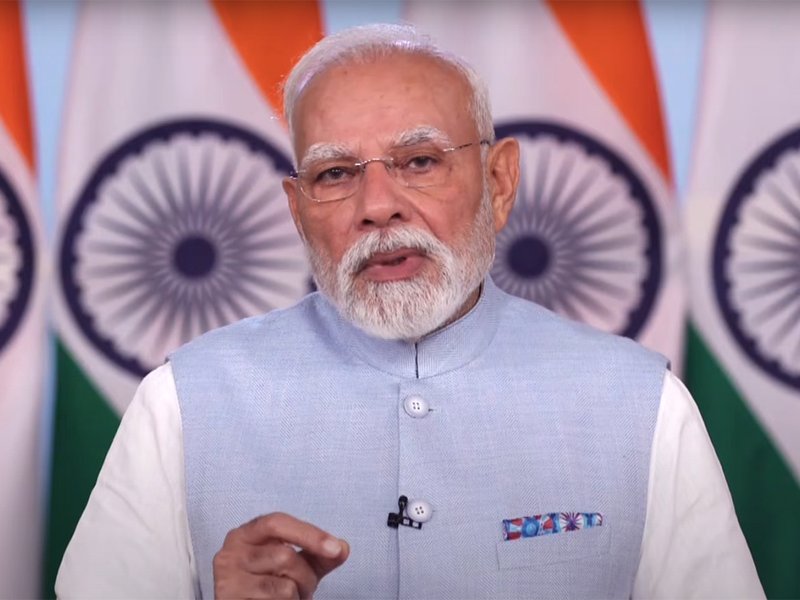
New Delhi, 22 September, 2025: From 22 September 2025, India has rolled out major changes under the newly reformed Goods & Services Tax (GST 2.0). Among the sweeping tax rationalizations made by the government, one of the most impactful is in the medical sector. Lifesaving drugs, medical devices, diagnostics, and health insurance premiums are among the key areas expecting relief. These reforms are set to reduce the out-of-pocket burden for patients, make treatments more accessible, and ease financial stress on families dealing with illness.
In this article, we’ll unpack what exactly is cheaper, who benefits, how big the impact is likely to be, and also some of the challenges in ensuring that the benefits of these GST cuts reach the common person.
What’s Changed: Key Reforms in Medical / Health Sector
Lifesaving Drugs Made GST-Free (0% GST)
The GST Council has exempted 33 essential, lifesaving drugs from GST. These include critical medications for cancer, rare diseases, and other chronic or severe illnesses. Additionally, three specific medicines used for rare conditions and cancers are now GST-free.
Reduction of GST on Other Medicines / Drugs
Most other drugs and formulations that had GST at 12% are now reduced to 5%. This includes non-lifesaving but essential medications that patients commonly rely on.
Cheaper Medical Devices and Diagnostic Kits
Diagnostic kits, glucometers, and other medical devices will also see a GST reduction—many moving to the 5% slab. Earlier, some such devices were taxed higher, which added significantly to the cost for patients and clinics.
GST Exemption on Insurance Premiums
Both health insurance and life insurance premiums are now exempt from GST. This means the 18% GST previously levied is removed. The move is intended to increase the uptake of health insurance and reduce the cost of risk protection for households.
Regulatory & Compliance Measures
Authorities such as the Drugs Control Department have instructed medical manufacturers, distributors, and chemists to revise MRPs in line with the new GST rates. Importantly, the government has waived the requirement to recall or re-label existing stock in many cases, provided updated pricing is honored and notices issued.
Who Benefits & How Much Savings to Expect
Patients & Households
- People using high-cost therapies (for cancer or rare diseases) will save significantly, since the previous GST component is removed.
- Those reliant on medical devices, diagnostic tests, or chronic medications will find recurring costs coming down.
- Families with health insurance policies will notice premium bills are lower.
Pharmacies and Manufacturers
- They must adjust supply chains, pricing, and ensure new MRPs are passed through.
- Stock held under older GST rates may lead to complications, especially for retailers if cost differences aren’t absorbed or returned.
Healthcare Providers & Hospitals
- Diagnostic centers, clinics, and hospitals may benefit from lower input costs of devices and consumables.
- This might allow them to reduce patient bills—if the savings are passed on transparently.
Examples: What Gets Much Cheaper
- Lifesaving / rare disease or cancer drugs that were earlier taxed at 12% now with 0% GST.
- Medical devices such as glucometers and diagnostic kits, now under 5%.
- Essential medicines that once attracted 12% GST now reduced to just 5%.
- Exemption of GST on health insurance premiums removes an 18% tax burden.
Impact: Financial Relief
The reforms form part of what the government calls a “savings festival,” with expectations of billions of rupees flowing back into consumers’ pockets.
- For patients with long-term, expensive treatments, these GST cuts may significantly reduce monthly or yearly medical spend.
- Health insurance becoming cheaper could lead to broader coverage in low- and middle-income households, reducing catastrophic health expenditure.
Challenges and Caveats
While the GST rate cuts are promising, there are challenges to ensure full benefit reaches consumers:
- Pass-Through of Cost Reductions: Manufacturers, distributors, and retailers must revise MRPs. There is a risk that middlemen may absorb the benefit without lowering consumer prices.
- Awareness: Patients may not immediately know which medicines are now GST-free or reduced. Pharmacists and doctors need to communicate these changes.
- Regulatory Oversight: State drug controllers and GST enforcement agencies need to monitor compliance, especially in small towns and rural areas.
- Stock Issues: Existing inventory priced under old GST slabs may have higher MRPs, causing losses or confusion unless properly managed. Some regulatory waivers may help here.
- Quality vs Price Pressure: There might be a temptation to cut corners in quality to reduce costs; oversight must ensure device and drug standards are maintained even when prices drop.
Broader Context: Why This Reform Matters
Health expenses are a major cause of financial strain in India, especially for those without robust insurance. Lowered GST helps reduce out-of-pocket expenses for millions.
- It aligns with the government’s broader vision of “ease of living” and accessible healthcare.
- These changes may encourage more people to opt for insurance, strengthening preventive health and financial protection.
- Domestic pharmaceutical and device industries could benefit from increased demand as prices drop.
What Consumers Should Do
- Ask pharmacists for new bills reflecting reduced GST. Check if medicines you buy are among the GST-free or lower-GST list.
- Review your insurance policy invoices to verify that GST has been removed.
- If you use diagnostic devices like glucometers, check for revised MRPs.
- For chronic or long-term treatments, track cost changes over time to plan budgets.
- Report any discrepancies (retailers still charging old higher prices) to regulatory authorities.
The GST 2.0 reforms from 22 September 2025 mark a significant move in making healthcare more affordable in India. With many lifesaving drugs now completely exempt, reductions for other medicines, medical devices, diagnostic kits, and health insurance premiums—all underpinned by government regulatory orders—there’s real potential for relief to patients and households.
However, the success of these reforms depends on proper implementation, price transparency, and ensuring that the benefits are passed through the supply chain. For patients and families, these changes mean lower medical bills, more accessible treatments, and perhaps one less worry in times of health crises.
As these GST cuts take effect, it’s a moment to watch closely. Many in the medical sector are hopeful—and the general public can benefit strongly—if everything works as intended.















Leave a comment