

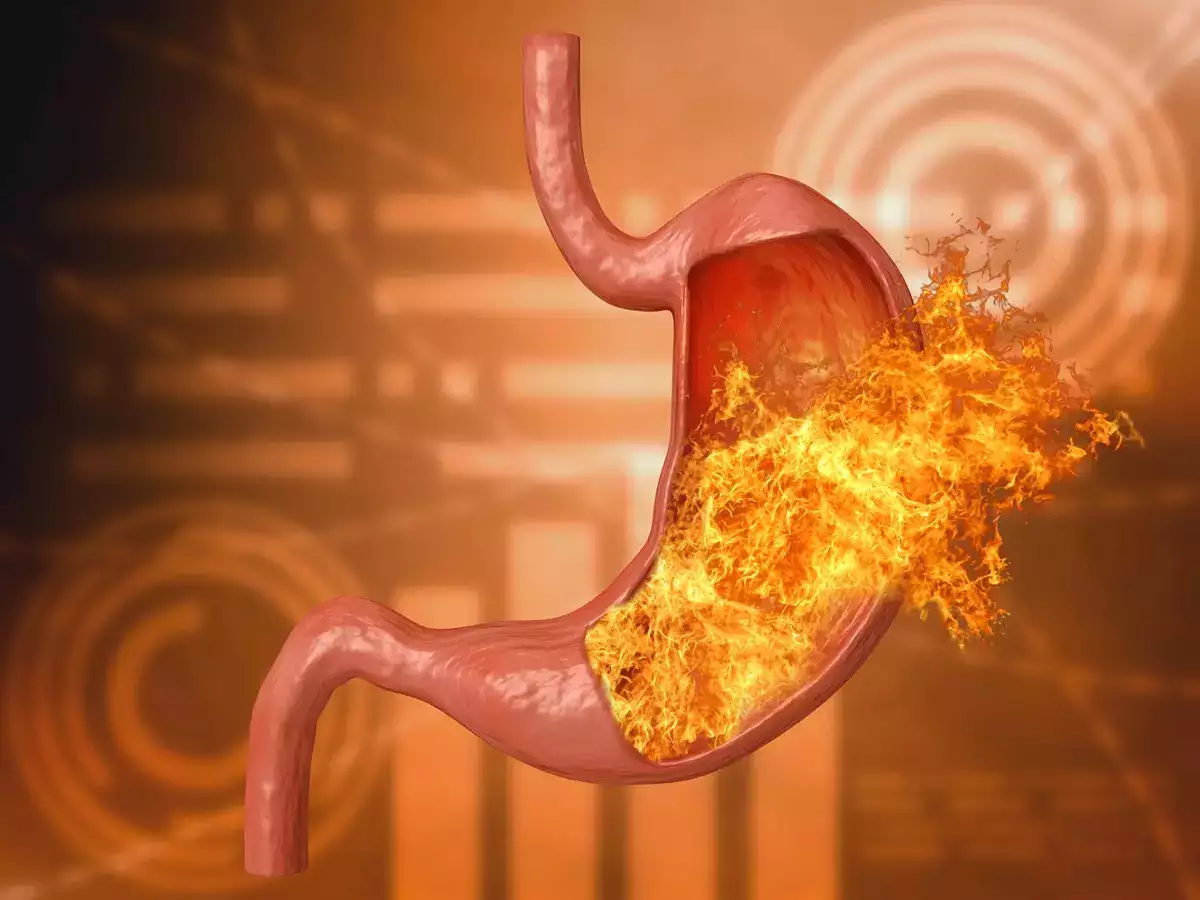
New Delhi, 31 May 2025: Gastric ulcers, also known as stomach ulcers, are painful sores that develop on the lining of the stomach. They are a common form of peptic ulcers and can significantly impair your digestive health if left untreated. While they may start off with subtle symptoms, ignoring them can lead to serious complications such as internal bleeding, perforation, or even stomach cancer. Here’s everything you need to know about gastric ulcers and the warning signs you should never ignore.
What is a Gastric Ulcer?
A gastric ulcer is an open sore that forms on the inner lining of the stomach. It occurs when the protective mucus layer that shields the stomach from its own acidic environment becomes weakened or damaged. As a result, the acid begins to eat away at the stomach lining, leading to inflammation and ulcer formation.
Gastric ulcers are commonly caused by:
- Helicobacter pylori (H. pylori) infection
- Overuse of NSAIDs like aspirin, ibuprofen, and naproxen
- Excessive alcohol consumption
- Smoking
- Stress and poor dietary habits
Why Gastric Ulcers Should Not Be Ignored
Many people mistake the symptoms of gastric ulcers for simple indigestion or acid reflux. However, the longer the ulcer goes undiagnosed, the more damage it can do to your stomach and overall digestive health. Chronic ulcers can lead to:
- Internal bleeding
- Obstruction of food passage
- Perforation of the stomach wall
- Increased risk of stomach cancer
Therefore, early detection and proper treatment are crucial.
Top Symptoms of Gastric Ulcers You Should Never Ignore
1. Burning Stomach Pain
The most common and classic symptom of a gastric ulcer is a burning or gnawing pain in the upper abdomen. This pain:
- Often occurs between meals or at night
- May be temporarily relieved by eating or taking antacids
- Can last from minutes to hours
- Recurs frequently over days or weeks
If you frequently experience this kind of stomach pain, consult a doctor immediately.
2. Bloating and Frequent Belching
Gastric ulcers can cause a feeling of fullness and bloating even after eating a small meal. Excessive gas and belching may also occur. This is due to disrupted digestion and inflammation caused by the ulcer.
3. Nausea or Vomiting
Ulcers may lead to a constant feeling of nausea, especially early in the morning before eating. In severe cases, vomiting may occur and, if the ulcer has caused internal bleeding, the vomit may contain blood or appear like coffee grounds.
4. Unexplained Weight Loss
Sudden or unexplained weight loss could be a red flag indicating that your digestive system is compromised. Gastric ulcers can interfere with your appetite and nutrient absorption, leading to weight loss.
5. Dark or Black Stools
One of the most alarming symptoms of a bleeding gastric ulcer is black or tarry stools. This indicates that blood from the ulcer has entered the digestive tract. Immediate medical attention is needed in such cases.
6. Fatigue and Weakness
Chronic blood loss from a gastric ulcer can result in anemia, leading to fatigue, shortness of breath, dizziness, and general weakness. These symptoms often go unnoticed until they become severe.
Risk Factors That Increase Your Chances of Developing Gastric Ulcers
While anyone can develop a gastric ulcer, certain factors increase your risk, including:
- Regular use of NSAIDs
- Smoking and alcohol abuse
- Chronic stress
- A family history of ulcers
- Age over 50
- Untreated H. pylori infection
Being aware of these risks can help you take preventive measures to safeguard your digestive health.
How Are Gastric Ulcers Diagnosed?
If your doctor suspects a gastric ulcer, they may recommend:
- Endoscopy: A thin tube with a camera is inserted through the mouth to view the stomach lining.
- H. pylori test: Via blood, stool, or breath samples.
- Barium swallow X-ray: To highlight ulcers on imaging.
Early diagnosis is key to preventing complications and ensuring effective treatment.
Treatment and Lifestyle Changes for Gastric Ulcers
Gastric ulcers are treatable, especially when diagnosed early. Treatment typically includes:
- Antibiotics (if H. pylori is detected)
- Proton pump inhibitors (PPIs) to reduce stomach acid
- Antacids and H2-receptor blockers
- Discontinuation of NSAIDs if they are the cause
In addition, lifestyle changes can help in healing and preventing recurrence:
- Avoid spicy, acidic, and greasy foods
- Quit smoking and limit alcohol
- Manage stress through yoga, meditation, or counseling
- Eat small, frequent meals to reduce stomach irritation
Gastric ulcers may start with mild symptoms, but they can escalate into life-threatening conditions if left untreated. By recognizing the early warning signs — such as burning stomach pain, black stools, or unexplained weight loss — and seeking timely medical help, you can protect your digestive system and prevent serious complications. Always listen to your body and take persistent stomach issues seriously.
















Leave a comment