

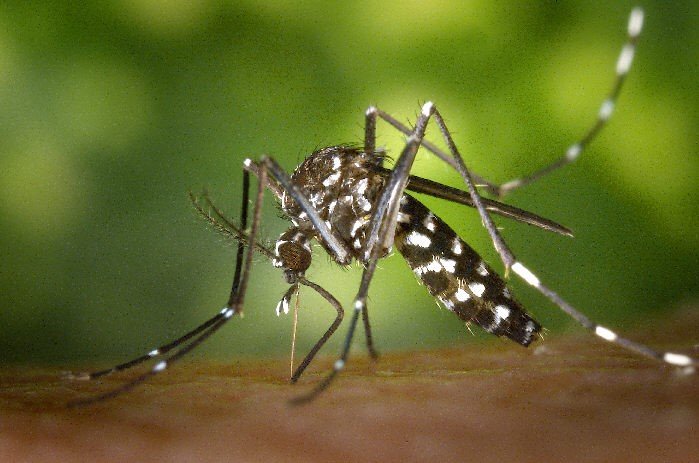
New Delhi, 12 July 2025: In a significant medical breakthrough, the world’s first malaria treatment specifically designed for newborns and small infants has received regulatory approval. The new formulation, known as Coartem Baby, is intended for babies weighing under 4.5 kg — a group previously left without a safe, approved therapeutic option. Until now, infants in this weight range were often given modified doses of treatments meant for older children, which carried serious risks due to inaccurate dosing and potential toxicity. This new approval marks a critical advancement in pediatric malaria care, particularly in regions where the disease is most deadly.
Why This Approval Matters: Filling a Life-Threatening Gap
Each year, millions of babies are born in malaria-endemic areas across Africa and Southeast Asia. Infants under six months of age are at substantial risk of infection but have had limited treatment options due to their unique metabolic profiles and the lack of clinical data for this age group. Coartem Baby fills this dangerous gap by offering a clinically tested, weight-specific therapy that is safe, effective, and easy to administer. This development is especially vital for countries that have struggled with high infant mortality rates linked to untreated or improperly treated malaria cases.
Infant-Centric Design: Safe, Effective, Easy to Administer
Coartem Baby contains a tailored dose of artemether-lumefantrine and is formulated to suit the metabolic capacity of newborns. The medication dissolves quickly and can be mixed with breast milk or water, making it easy for caregivers to give to young infants. With a mild cherry flavor, it is also designed to be palatable. Clinical trials have shown that the drug achieves therapeutic levels in the blood comparable to those in older children, while maintaining a strong safety profile. This ensures infants can be treated effectively without the need for unapproved dosing adjustments.
Fast-Track Approval for Global Rollout
The approval was granted under a special regulatory framework designed to accelerate access to essential medicines for low- and middle-income countries. This means several malaria-endemic countries are now set to review and approve the treatment within a much shorter timeline than traditional drug evaluations. The manufacturer plans to distribute the drug largely on a not-for-profit basis to ensure equitable access in countries where malaria poses the greatest threat to infants. National health authorities are expected to begin rollout preparations in the coming weeks, with wide-scale distribution planned within the year.
High Stakes: Malaria Still Devastates Young Lives
Despite advances in prevention and treatment, malaria remains one of the leading causes of death among children under five in many parts of the world. Hundreds of thousands of children die from malaria every year, and a significant portion of those deaths occur in the first few months of life. This new treatment offers a targeted solution for a vulnerable population that previously had few options. It also arrives at a time when global efforts to combat malaria are intensifying, especially in the face of growing resistance to existing drugs and insecticides.
Expert Reactions: A Long-Awaited Advancement
Medical professionals and public health experts have welcomed the news, describing it as a long-overdue solution to a longstanding problem in infant care. They emphasize that while malaria prevention through nets and vaccination remains crucial, access to safe and effective treatment options is equally important. This newly approved therapy now gives doctors and caregivers a reliable way to treat malaria in the youngest patients — something that was previously difficult and often risky.
With approval now secured, the next steps include training healthcare workers, updating national treatment protocols, and ensuring that supply chains are in place for smooth distribution. The focus will be on ensuring that even rural clinics and community health programs have access to this life-saving medicine. As more countries adopt the treatment into their public health systems, the global fight against malaria stands to gain a powerful new weapon — one that protects the lives of those who were once the most overlooked. This landmark approval is not just a win for science but a victory for every child whose life can now be saved.













Leave a comment