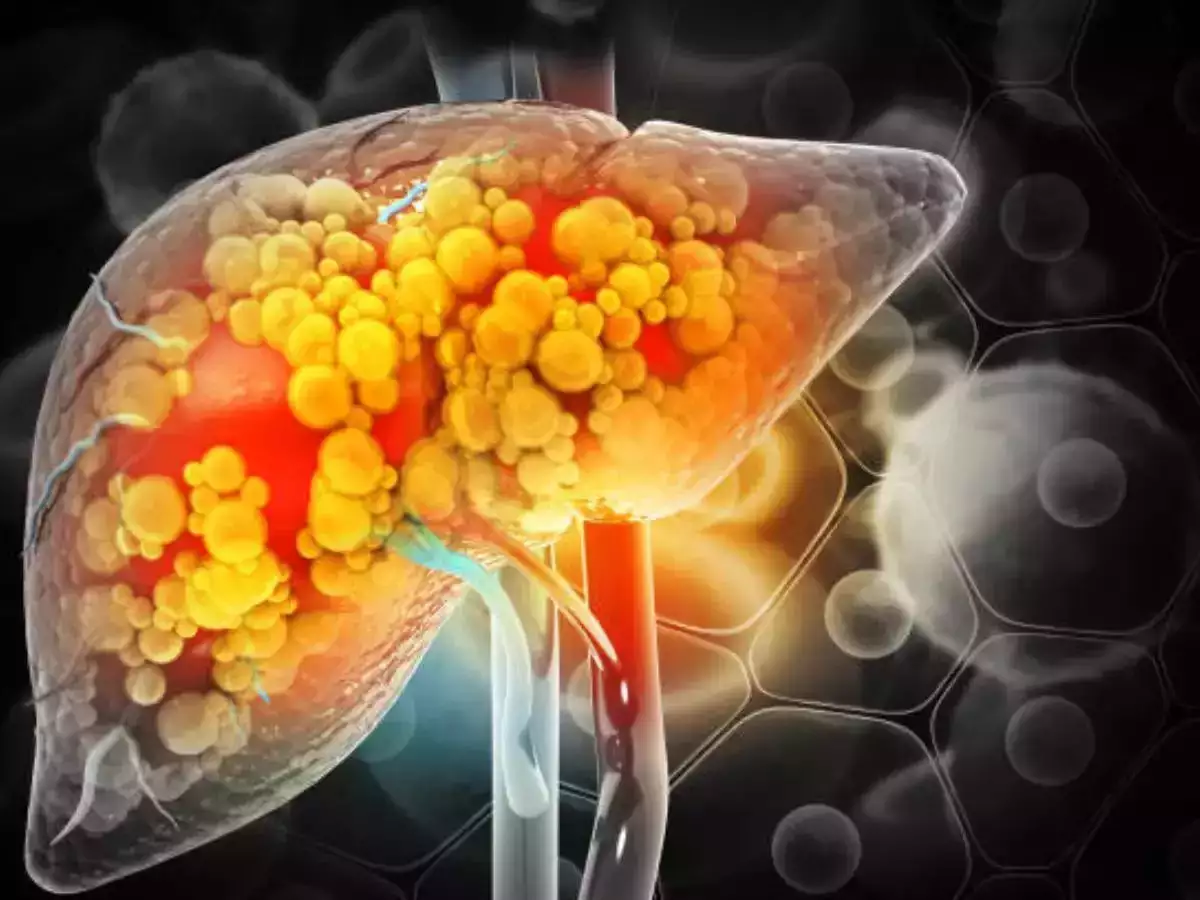
Nearly two out of every five adults in Hyderabad are living with fatty liver disease, which happens due to excess fat building up inside the organ, largely due to lifestyle factors.
It was found during a pan-India study published in The Lancet Regional Health.
Rising fatty liver disease linked to sedentary lifestyle.
As per the report, at 40.9 per cent, the city’s prevalence of metabolic dysfunction-associated steatotic liver disease (MASLD) is slightly higher than the national average of 38.9 per cent.
The research, led by the Council of Scientific and Industrial Research (CSIR), assessed more than 10,000 adults across 27 cities.
What Is Fatty Liver: Causes, Symptoms And More
Fatty liver is when there’s too much fat in your liver. Your liver is the body’s main organ for processing food and waste materials.A healthy liver contains very little or no fat. If you drink too much alcohol, or eat too much food, your body turns some of the calories into fat. This fat is stored in your liver cells.You have fatty liver when fat makes up more than 5% of the total weight of your liver.
Over time fatty liver can lead to cirrhosis (scarring).It’s common, about 1 in every 3 Australian adults has fatty liver disease.
There are 2 main types of fatty liver disease:
Metabolic associated fatty liver disease (MAFLD)alcohol-related fatty liver disease
Metabolic associated fatty liver disease is the most common type of fatty liver disease.
This used to be called non-alcoholic fatty liver disease (NAFLD).Alcohol-related fatty liver disease is caused by drinking too much alcohol.
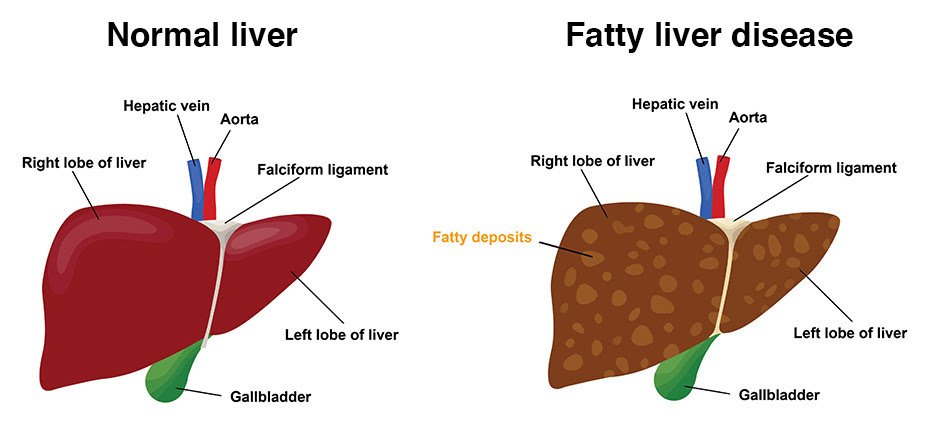
What are the symptoms of fatty liver disease?
Fatty liver disease usually doesn’t cause symptoms. People who do have symptoms may:
Feel tired or generally unwell
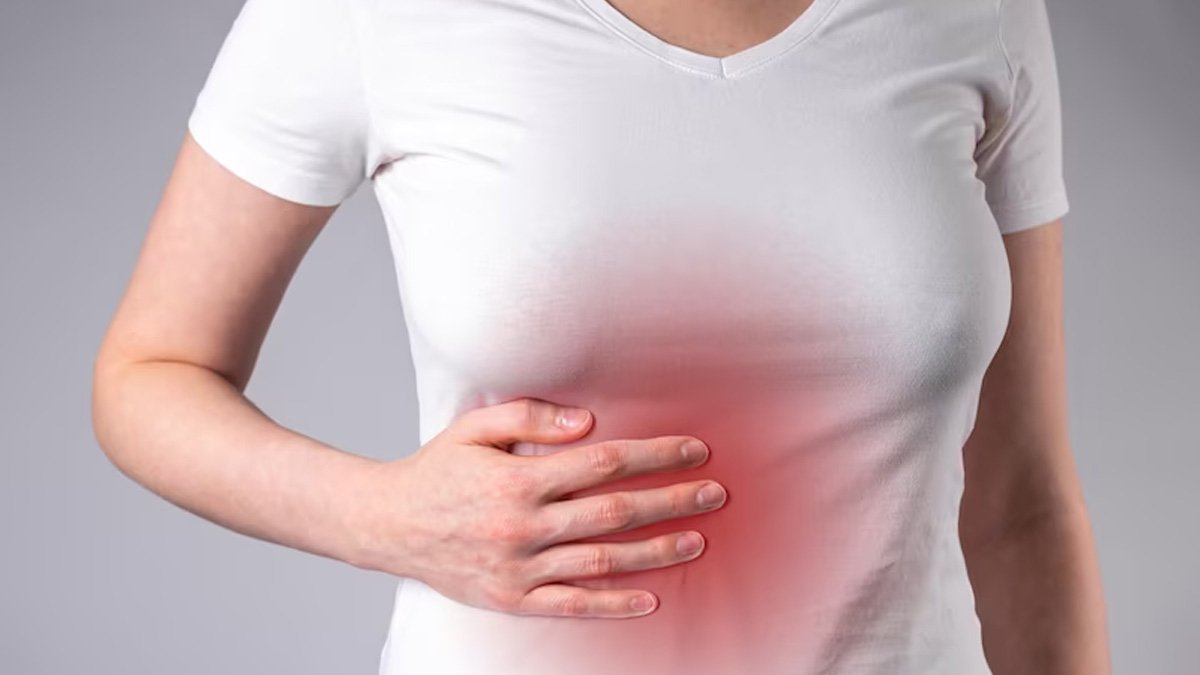
Have pain in the top right part of their abdomenlose weight
Signs that you may have more serious fatty liver disease are: Jaundice (yellow eyes and skin), bruising, dark urine (wee), swollen tummy, vomiting blood, black stools (poos), itchy skin.
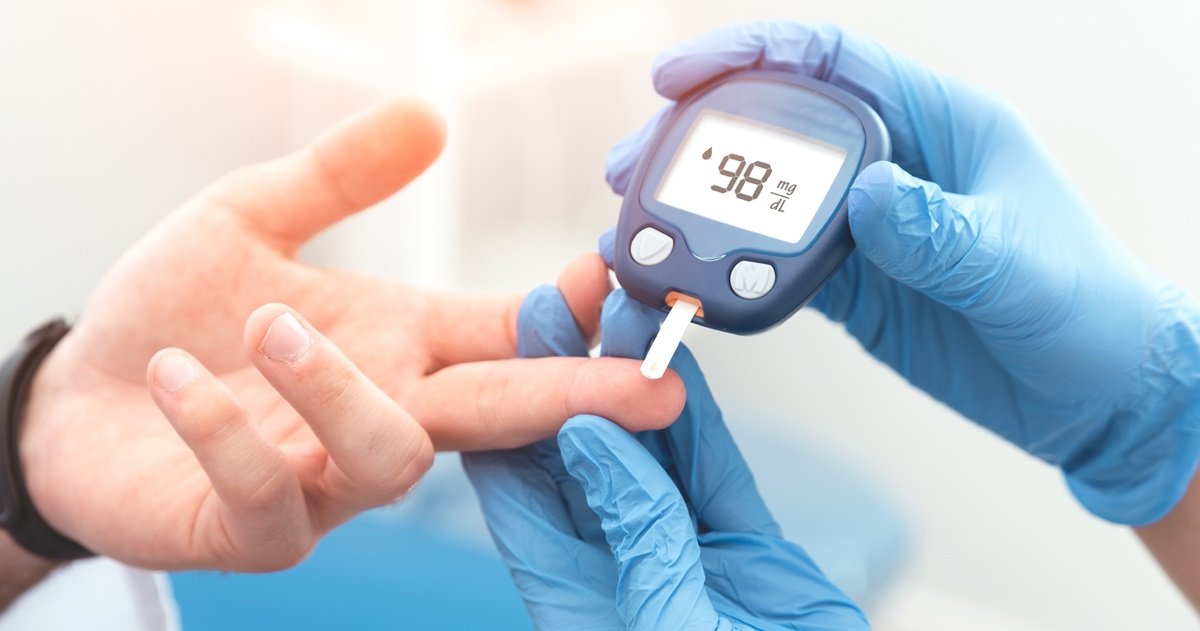
The data underline a strong connection between fatty liver and metabolic diseases. About 66.4% of participants with diabetes were found to have MASLD . Obesity emerged as the strongest risk factor, with risk rising sharply in higher BMI categories.
With nearly 40% of adults potentially affected, fatty liver disease is no longer a niche medical concern. It is emerging as one of Hyderabad’s most significant but under-recognised health challenges.
Health authorities are expected to examine the findings closely as part of broader metabolic disease control strategies in urban Telangana.