

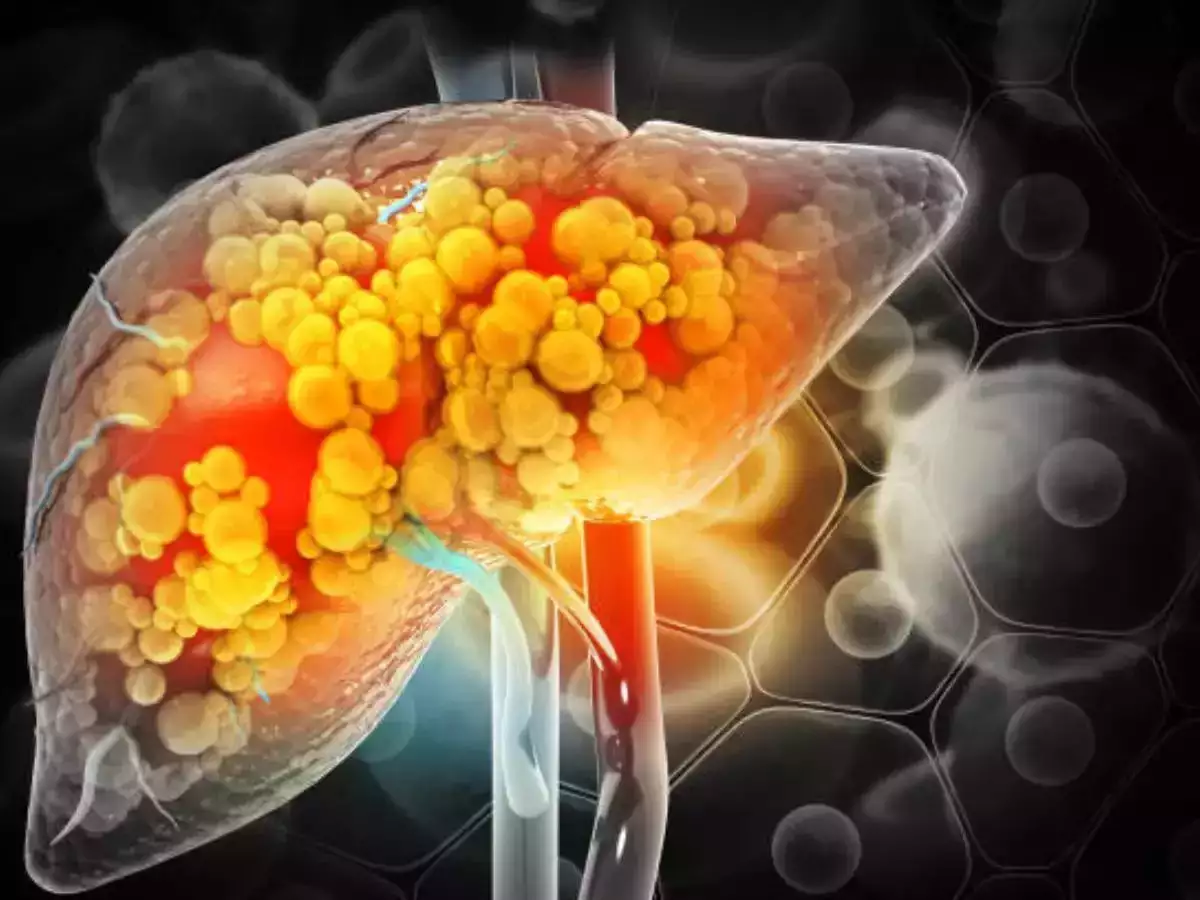
New Delhi, 20 May 2025: Fatty liver disease is increasingly becoming a global health concern, especially with the rise of sedentary lifestyles, poor diets, and metabolic disorders. At the same time, Vitamin B12 deficiency is another silent epidemic affecting millions across age groups. But can these two conditions be linked? Recent studies suggest there might be a connection between fatty liver and Vitamin B12 deficiency, and addressing both may be crucial for your overall liver and metabolic health.
Understanding Fatty Liver Disease
Fatty liver, also known as hepatic steatosis, occurs when fat builds up in the liver. It is broadly classified into two types:
Non-Alcoholic Fatty Liver Disease (NAFLD) – caused by factors unrelated to alcohol, such as obesity, insulin resistance, and high cholesterol.
Alcoholic Fatty Liver Disease – resulting from excessive alcohol consumption.
In its early stages, fatty liver is often symptomless. However, if left untreated, it can progress to non-alcoholic steatohepatitis (NASH), liver fibrosis, or even cirrhosis.
What Is Vitamin B12 and Why Is It Important?
Vitamin B12 is an essential nutrient involved in red blood cell production, neurological function, and DNA synthesis. It is mostly found in animal-based foods like meat, eggs, and dairy. A deficiency in Vitamin B12 can lead to fatigue, memory issues, numbness, and even permanent nerve damage if not treated in time.
Is There a Link Between Fatty Liver and Vitamin B12 Deficiency?
Emerging research is beginning to uncover a possible connection between Vitamin B12 deficiency and fatty liver disease. Here’s how they may be related:
- Metabolic Dysregulation: Vitamin B12 plays a role in the metabolism of fats and proteins. A deficiency can interfere with fat processing in the body, contributing to lipid accumulation in the liver.
- Homocysteine Levels: Low B12 levels can cause elevated homocysteine, an amino acid linked to inflammation and liver damage, which can worsen fatty liver conditions.
- Insulin Resistance: Both fatty liver and Vitamin B12 deficiency are associated with insulin resistance, a key factor in the development of NAFLD.
- Dietary Deficiency: People following strict vegan diets or poor eating habits (which also contribute to fatty liver) are often deficient in Vitamin B12, creating a compounding effect on liver health.
Signs You May Have Vitamin B12 Deficiency or Fatty Liver
Vitamin B12 deficiency symptoms may include:
- Fatigue
- Numbness or tingling in hands and feet
- Mood changes or depression
- Pale skin
- Poor memory or cognitive function
- Fatty liver symptoms are often subtle but may include:
- Upper right abdominal discomfort
- Unexplained weight gain
- Elevated liver enzymes (found through blood tests)
- Fatigue
If you notice these signs, consult a healthcare provider and request tests for serum B12 levels and liver function.
What You Can Do to Manage Both Conditions
If you suspect or are diagnosed with both fatty liver and Vitamin B12 deficiency, here are steps to manage and potentially reverse the damage:
Improve Your Diet
Focus on a liver-friendly diet rich in fruits, vegetables, whole grains, and lean proteins. Incorporate B12-rich foods like eggs, dairy, fish, and meat (or fortified plant-based alternatives if you are vegan). Cut down on refined sugars, processed foods, and trans fats.
Supplement Wisely
Take Vitamin B12 supplements if advised by your doctor, especially if you are vegan or have absorption issues (e.g., due to gut conditions like IBS or gastritis). Regular B12 shots may be required for individuals with severe deficiency or malabsorption.
Exercise Regularly
Engage in 30-45 minutes of moderate exercise daily to help reduce liver fat and improve insulin sensitivity.
Monitor Your Health
Get regular blood tests for liver enzymes, B12 levels, and cholesterol. Monitor body weight and keep BMI within a healthy range.
Avoid Alcohol and Smoking
Alcohol adds more strain on the liver and may exacerbate both conditions. Smoking reduces nutrient absorption, including B12.
While more studies are needed to establish a definitive causal relationship, the correlation between fatty liver disease and Vitamin B12 deficiency is too significant to ignore. Early detection, dietary improvements, and lifestyle changes can help address both issues effectively. If you’re feeling unusually tired, gaining weight, or have digestive issues, don’t wait—get checked for both liver health and B12 levels today.












Leave a comment