

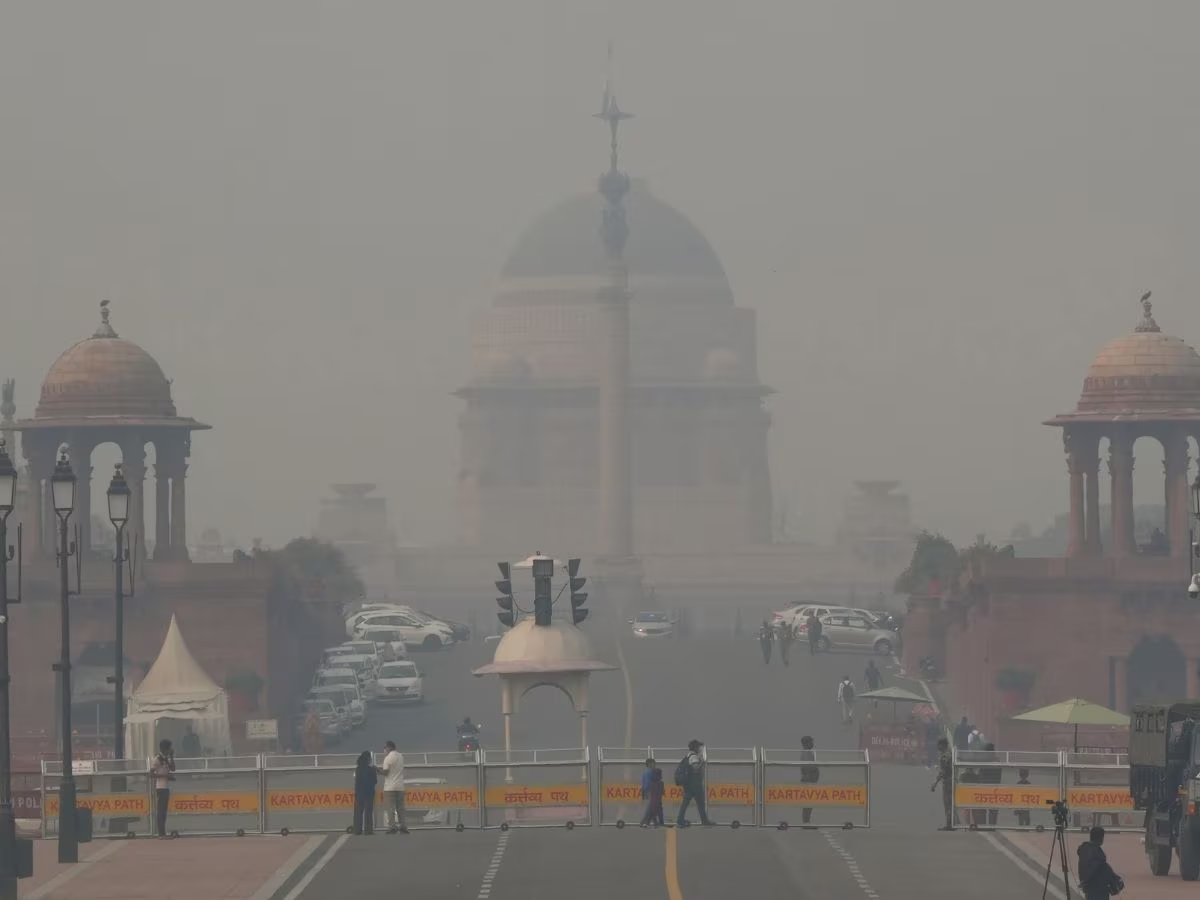
New Delhi, 02 December 2024: Understanding the Connection Between Air Pollution and Myopia in Children
Myopia, or nearsightedness, has been on the rise globally, especially among children. While genetic factors have long been recognized as a cause of myopia, increasing evidence suggests that environmental factors, particularly air pollution, may play a significant role in this surge. With worsening air quality worldwide, understanding the connection between pollution and myopia is more critical than ever.
The Increase in Myopia
There’s worrying news: myopia is becoming more common in children. In cities, where air pollution tends to be higher, kids are more likely to face vision issues. According to the World Health Organization, about 30% of people worldwide are affected by myopia, with a large number being children.
What is Myopia?
Myopia, or nearsightedness, occurs when distant objects appear blurry, while things that are nearby can be seen clearly. This happens when the eyeball is elongated or the cornea is overly curved, causing light to focus in front of the retina. If unchecked, myopia can lead to severe complications such as retinal detachment and other serious eye diseases.
Air Pollution: A Hidden Risk
Doctors believe that air pollution could be contributing to the rise in myopia cases among children. Pollutants like particulate matter and nitrogen dioxide can cause inflammation and oxidative stress in the eyes, affecting their normal development—especially in young children.
The Environment’s Role
Children in cities often face higher air pollution levels than those in rural areas. Research has shown that increased exposure to pollutants is linked to a greater incidence of myopia. The urban landscape, marked by heavy traffic and industrial activity, severely affects air quality, posing risks to children’s eye health.
The Protective Power of the Outdoors
Interestingly, studies also suggest that outdoor activities can help protect against myopia. Kids who spend more time outside are less likely to develop vision problems, possibly due to the benefits of natural light and engaging in activities that encourage distant viewing. This leads us to consider how outdoor time might help to balance the negative impacts of air pollution.
Parents can take several steps to protect their children from the dangers of air pollution. Encouraging outdoor play in cleaner settings is key, as is ensuring that kids wear protective eyewear when outside in polluted areas. Regular eye examinations are crucial for early detection and management of myopia.
Reducing air pollution isn’t just a job for parents; it requires a joint effort. Pushing for policies that cut down emissions from vehicles and industries can lead to cleaner air for future generations. Community initiatives aimed at improving urban green spaces can also enhance air quality and contribute to healthier environments for children.
The link between air pollution and the rise in myopia among children is an emerging area of concern. As the world grapples with worsening air quality, understanding its impact on young, developing eyes is essential. By implementing protective measures and advocating for cleaner environments, we can safeguard children’s vision and overall well-being. Combating air pollution is not just about cleaner skies—it’s about protecting the next generation from preventable health challenges.











Leave a comment