

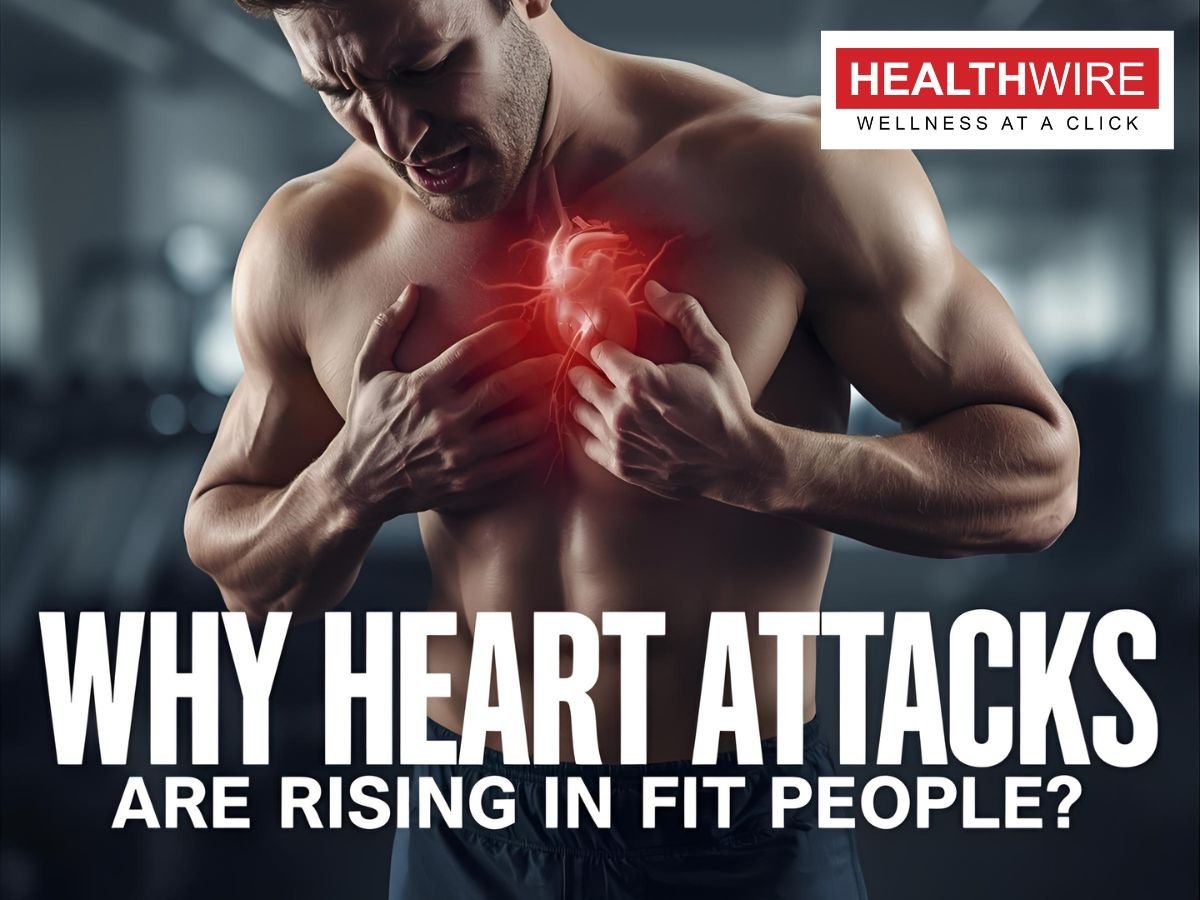
New Delhi, 01 October, 2025: Not too long ago, heart attacks were considered a disease of old age. But today, the rules have changed. From teenagers to men and women in their 20s and 30s, cases of sudden cardiac events are rising at an alarming rate. Even people who look perfectly fit—those with muscular bodies, gym memberships, and active lifestyles—are falling victim.
The question is: why is this happening, and what warning signs are we missing? In an exclusive interaction with HealthWireMedia.com, Dr. Sameer Gupta, Senior Interventional Cardiologist Director, Metro Group of Hospitals, shares the actual reason behind the rise in heart attack among the youth and what can be done right now to prevent such incidents from happening.
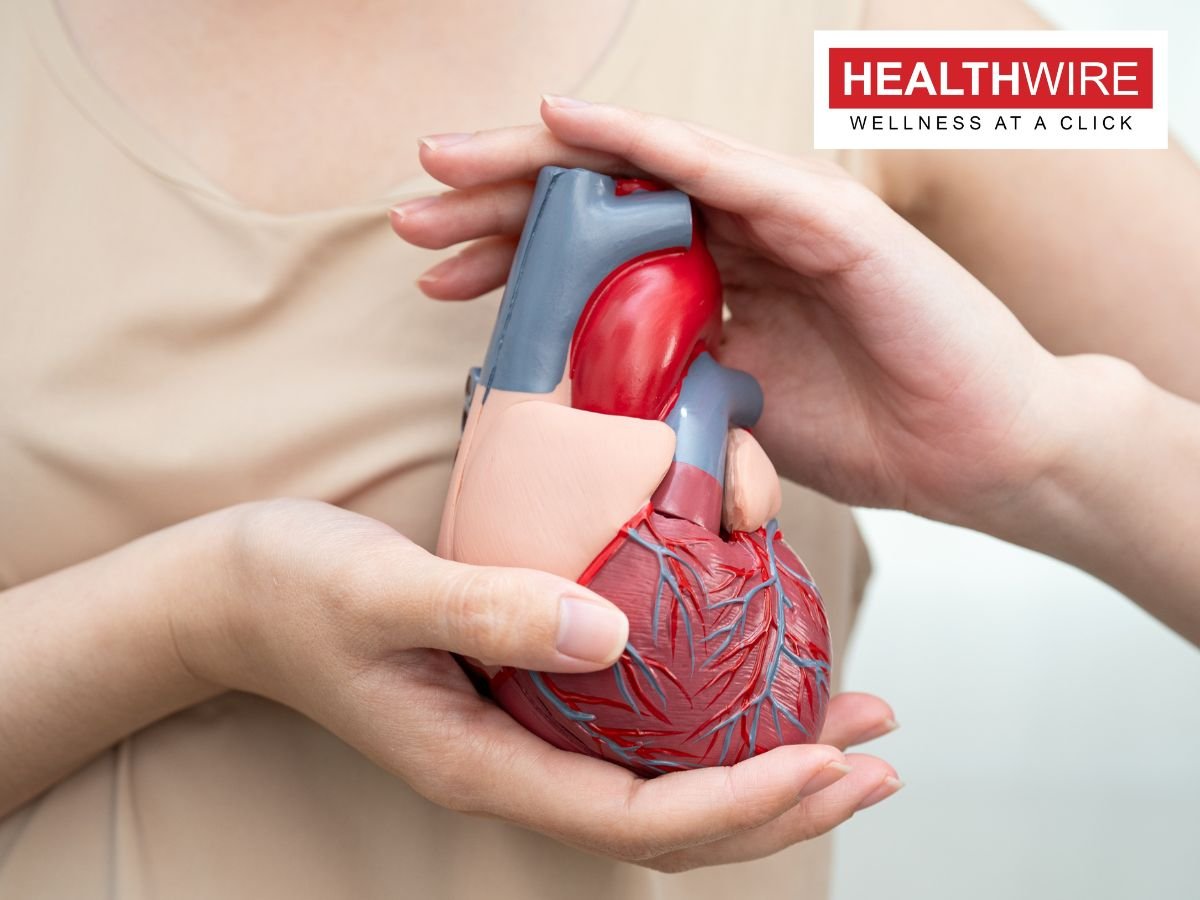
Heart Attack, Cardiac Arrest, Heart Failure: Are They the Same?
Most people confuse the three, but they are very different conditions:
- Cardiac Arrest: This occurs when the heart suddenly stops beating. It can happen due to arrhythmias, kidney problems, or other serious health conditions.
- Heart Attack: A heart attack occurs when blood flow to the heart is blocked due to clogged arteries. Without oxygen, heart muscles begin to die.
- Heart Failure: This is when the heart becomes weak and cannot pump enough blood to meet the body’s needs.
“They are connected,” explains Dr. Gupta, “but not identical. A person can suffer a cardiac arrest without a heart attack, and heart failure is usually a long-term pumping issue.”
Why Are Young People Getting Heart Attacks?
The causes are no longer limited to poor diet or old age. According to Dr. Gupta, four major culprits are driving this surge:
- High Blood Pressure (Hypertension)
- Diabetes (High Blood Sugar)
- Smoking
- High Cholesterol & Family History
Other contributors include pollution, rising stress levels, and increasingly sedentary lifestyles—even among those who exercise regularly.
The Role of Cholesterol – The Silent Culprit
Cholesterol is not always bad. Our body needs it for cell membranes and hormone production. But the problem begins when bad cholesterol (LDL) rises.
- LDL (Bad Cholesterol) → Causes blockages in arteries.
- HDL (Good Cholesterol) → Protects the heart.
When LDL levels are high, the risk of artery blockages and heart attacks shoots up.
Early Symptoms People Often Ignore
Movies and media have made us believe that heart attacks look obvious: an old man clutching his chest and collapsing. Reality is different.
In many young cases, the signs are subtle and easily mistaken for acidity or stress:
- Sudden anxiety or panic
- Breathlessness
- Excessive sweating
- Tightness or heaviness in the chest
- Pain radiating to the left arm, jaw, or back
- A feeling of uneasiness, “something is wrong”
Dr. Gupta recalls: “A 27-year-old IIT graduate working at a top IT company came to us with a heart attack. He ignored his symptoms for 24 hours thinking it was gas. By the time he reached the hospital, his condition had worsened. Young people cannot afford to brush these signals aside.”
Are 30 Minutes of Walking Enough?
There is a popular belief that a daily 30-minute walk keeps the heart safe. Dr. Gupta clarifies:
“Yes, physical activity is essential. But 30 minutes of walking alone isn’t a magic shield. It should be part of a balanced lifestyle. Ideally, one should aim for:
- 30 minutes of moderate exercise, 5 days a week
- OR high-intensity workouts, 3 times a week
- Consistency matters more than intensity.”
Walking 10,000 steps a day does reduce risk, but it doesn’t guarantee immunity. Lifestyle diseases develop over years of bad habits, and while exercise delays the onset, other factors like smoking, genetics, and cholesterol still play a huge role.
Must-Do Health Checks for Everyone Above 25
Prevention lies in awareness. According to Dr. Gupta, these are basic tests everyone should do once a year (or at least every two years):
- Blood Pressure Check
- Blood Sugar Test
- Cholesterol Panel (Lipid Profile)
- Routine Blood Tests (including liver and kidney functions)
- ECG (Electrocardiogram) once as a baseline
An ECG today costs as little as ₹100–₹150 in most hospitals. “Get it done once, and keep it as a record. It can literally save your life,” he advises.
The Takeaway: Don’t Ignore the Red Flags
- Heart problems are no longer age-specific.
- Even fit and young individuals are vulnerable.
- Symptoms like uneasiness, breathlessness, or chest tightness must never be ignored.
- Yearly check-ups, lifestyle modifications, and timely diagnosis are the best shields.
“Your heart doesn’t wait for your age,” says Dr. Gupta. “Whether you are 17, 27, or 70—if something feels wrong, don’t self-diagnose. Rush for an ECG and medical help. Early action is the only way to prevent tragedy.”
WATCH THE COMPLETE VIDEO HERE














Leave a comment