Climate change is no longer a distant threat; its effects are already reshaping ecosystems, human health, and the global spread of infectious diseases. Rising temperatures, changing rainfall patterns, and extreme weather events are creating conditions that allow disease-causing pathogens and vectors to thrive in new regions, leading to outbreaks that were previously rare or geographically restricted. Understanding these links is essential for public health planning and disease prevention.
Temperature Rise and Vector Expansion
Warmer temperatures directly affect the geographic distribution of vectors such as mosquitoes, ticks, and fleas, which transmit diseases like malaria, dengue, Zika, and Lyme disease. Areas that were previously too cold for these vectors are now becoming hospitable, increasing the risk of disease transmission in new regions. Higher temperatures also accelerate vector breeding cycles and pathogen replication, which can lead to faster and more intense outbreaks.
Changing Rainfall and Water-Borne Diseases
Altered rainfall patterns and extreme weather events such as floods and droughts are contributing to the spread of water-borne diseases. Heavy rainfall can overwhelm sewage systems and contaminate drinking water, leading to outbreaks of cholera, leptospirosis, and other gastrointestinal infections. Conversely, droughts reduce water availability, forcing people to use unsafe water sources, which also increases disease risk.
Urbanization, Habitat Disruption, and Zoonotic Spillovers
Climate change drives habitat loss and wildlife migration, bringing humans into closer contact with animals that harbor pathogens. Deforestation, urban sprawl, and agricultural expansion increase the risk of zoonotic spillovers, where viruses and bacteria jump from animals to humans. Recent outbreaks of diseases like Ebola, Nipah, and certain strains of influenza illustrate how environmental disruption can trigger emergent infectious diseases.
Extreme Weather and Disease Outbreaks
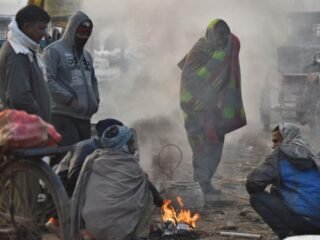
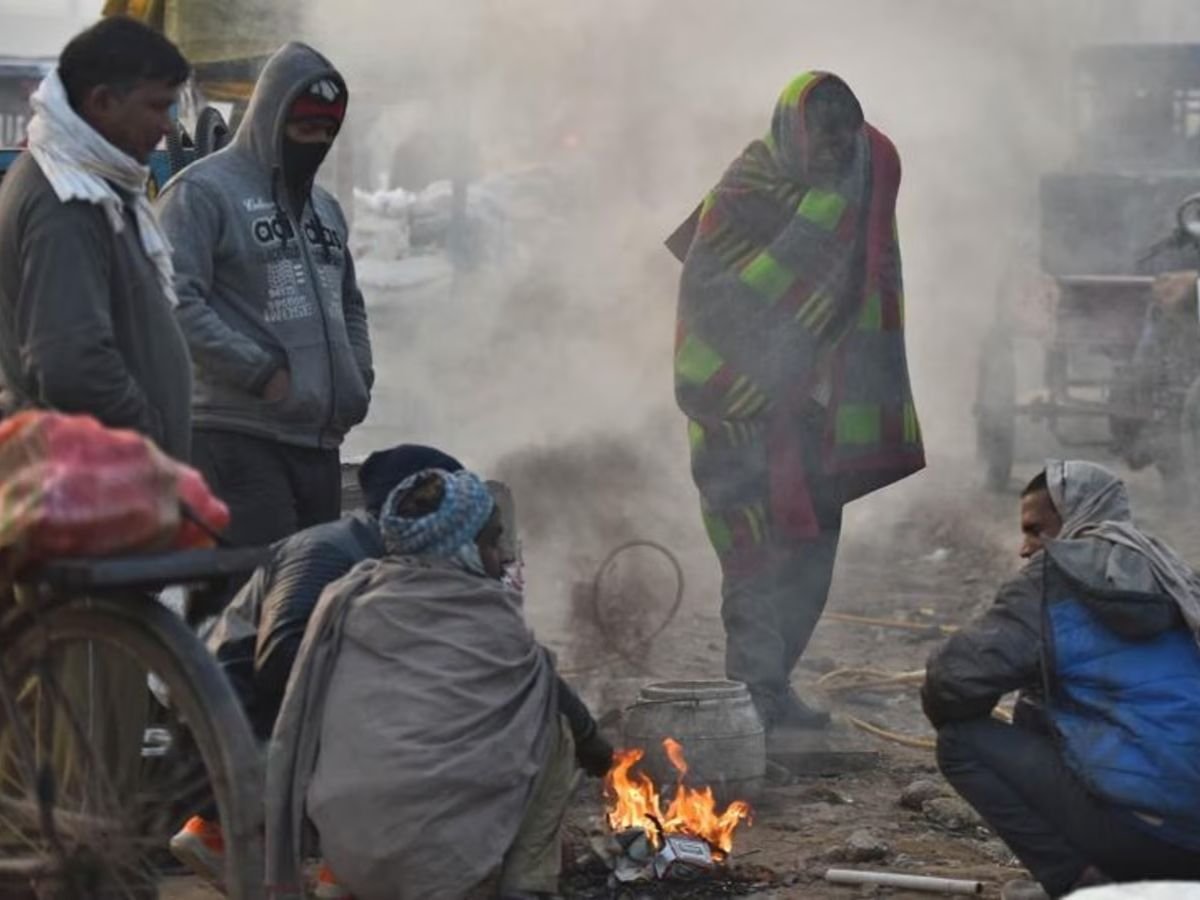
Extreme weather events—including hurricanes, cyclones, and heatwaves—disrupt public health infrastructure, damage water and sanitation systems, and displace populations, creating conditions ripe for disease outbreaks. Refugee camps and temporary shelters with poor sanitation are especially vulnerable to respiratory, gastrointestinal, and vector-borne infections. Rapid responses in these situations are critical to contain outbreaks and prevent widespread transmission.
Globalization Amplifies the Risk
Climate-induced changes in disease patterns are compounded by global travel and trade. Pathogens and vectors can move quickly across borders, turning localized outbreaks into international public health concerns. For example, the spread of dengue and chikungunya into previously unaffected countries highlights the combined effect of climate change and globalization on infectious disease dynamics.
Public Health Strategies to Mitigate Risks
Addressing the threat of climate-driven infectious diseases requires proactive and integrated approaches:
- Enhanced surveillance: Monitoring vector populations and disease incidence in newly affected regions.
- Strengthening healthcare infrastructure: Ensuring hospitals and clinics can respond rapidly to outbreaks.
- Vector control programs: Using targeted interventions to reduce mosquito and tick populations.
- Community education: Promoting hygiene, vaccination, and awareness of risk factors.
- Climate-resilient planning: Integrating health considerations into urban planning, agriculture, and disaster preparedness.
Collaboration between environmental scientists, epidemiologists, and policymakers is essential to predict outbreaks and implement timely interventions.
Climate change is increasingly shaping the landscape of infectious diseases, creating new threats and expanding old ones. Rising temperatures, altered rainfall, habitat disruption, and extreme weather events all contribute to conditions that favor disease emergence and transmission. While the challenge is significant, strategic planning, surveillance, and community engagement can help mitigate the impact of climate-driven health risks. For citizens, staying informed, practicing preventive measures, and supporting policies that address both climate change and public health can make a meaningful difference in protecting communities from emerging infectious threats.