

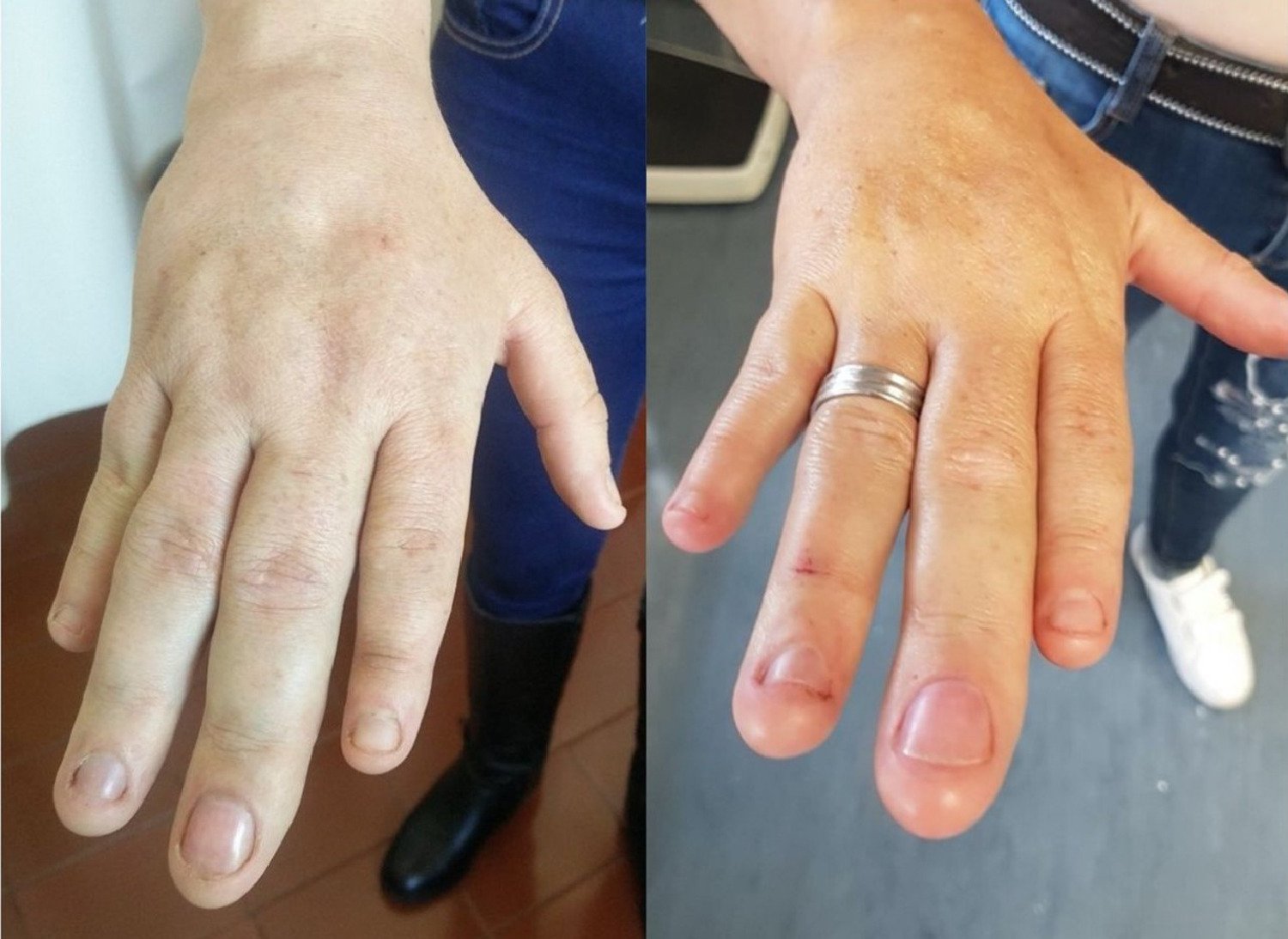
New Delhi, 01 August 2025: If you have noticed excessive fat accumulation around your back or stomach, it’s natural to assume it’s due to weight gain or obesity. But in rare cases, this unusual fat distribution could point to a far more complex medical condition — CLOVE Syndrome, a rare congenital disorder that often goes undiagnosed due to its uncommon symptoms and appearance. Medical experts now warn that what appears to be just “stubborn fat” might, in fact, be a sign of this rare overgrowth condition.
In this article, we will explore what CLOVE Syndrome is, its early signs and symptoms, possible causes, and available treatments.
What is CLOVE Syndrome?
CLOVE Syndrome stands for:
- C – Congenital (present from birth)
- L – Lipomatous (fatty)
- O – Overgrowth
- V – Vascular Malformations
- E – Epidermal Nevi (skin lesions)
This rare condition is typically non-hereditary, meaning it does not pass from parents to children. It arises due to a spontaneous genetic mutation during fetal development. The hallmark of the syndrome is abnormal tissue growth, particularly fatty tissue and malformed blood vessels, which may appear prominently on the back, abdomen, or limbs.
Early Symptoms and Red Flags
The symptoms of CLOVE Syndrome can be mistaken for normal body changes or localized fat accumulation. However, its defining features are more distinct:
- Unusual fat growth on the back, belly, or limbs
- Asymmetric body parts – one leg or arm may appear larger than the other
- Thickened, dark patches or moles on the skin (epidermal nevi)
- Abnormal blood vessels, visible under the skin or causing internal issues
- Skeletal irregularities, especially in the spine or limbs
- Reduced limb function or discomfort due to the abnormal overgrowth
Children born with this syndrome may initially be misdiagnosed or not diagnosed at all, as the features may evolve with age.
What Causes CLOVE Syndrome?
Unlike many genetic disorders, CLOVE Syndrome is not inherited. It results from a somatic mutation, meaning the mutation occurs in a specific group of cells during early development rather than being present in every cell of the body.
The most common mutation associated with this condition is in the PIK3CA gene, which is involved in cell growth and development. When mutated, it can lead to uncontrolled tissue and vascular overgrowth.
The condition is rare, with less than 200 cases documented globally, making diagnosis and research difficult. However, both males and females are equally affected, and symptoms can range from mild to life-limiting, depending on the extent of tissue involvement.
Risk Factors
While there are no known lifestyle or environmental causes, these are some key points to note:
- Spontaneous genetic mutation during fetal development
- Not caused by poor diet or lack of exercise
- Occurs randomly, with no familial link
- Detected mostly in early childhood, though sometimes it becomes more noticeable in adolescence or adulthood
Health Complications of CLOVE Syndrome
Without proper medical intervention, CLOVE Syndrome can cause complications such as:
- Mobility issues due to enlarged limbs or skeletal deformities
- Recurrent skin infections in thickened or folded areas of the skin
- Pain and discomfort due to abnormal pressure from fat or vascular malformations
- Emotional and psychological stress, especially due to visible asymmetry or social stigma
- Increased risk of blood clots, internal bleeding, or heart issues in severe vascular cases
Diagnosis: How is CLOVE Syndrome Identified?
Because of its overlapping symptoms with other overgrowth syndromes (like Proteus Syndrome or Klippel-Trenaunay Syndrome), accurate diagnosis is essential. A multidisciplinary medical approach is often used:
- MRI or CT scans to assess soft tissue and blood vessels
- Genetic testing for PIK3CA mutations
- Skin biopsies in some cases
- Ultrasound to evaluate vascular malformations
- Regular monitoring of limb size, skin health, and functional abilities
Treatment: Can CLOVE Syndrome Be Cured?
There is no complete cure for CLOVE Syndrome yet. However, treatments are available to manage the symptoms, improve function, and prevent complications:
- Surgical interventions to remove excess fatty tissue or correct limb deformities
- Laser therapy or embolization to manage abnormal blood vessels
- Medications that target cell growth pathways (like mTOR inhibitors or PI3K inhibitors)
- Physical therapy to improve mobility and manage pain
- Psychological support and genetic counseling to address mental well-being and long-term care planning
These treatments are highly specialized and require personalized care from experts in genetics, dermatology, vascular surgery, and orthopaedics.
Living with CLOVE Syndrome: What You Should Know
While the syndrome can significantly impact a person’s physical and mental well-being, early diagnosis and intervention can help maintain a better quality of life.
If you notice unusual fat deposits, especially in children, or abnormal growth patterns in limbs or the skin, consult a specialist immediately. Many individuals live productive lives with the condition when managed effectively.
CLOVE Syndrome may be rare, but it is very real. If you or someone you know experiences unexplained fat buildup around the back or abdomen, especially when accompanied by skin lesions or limb enlargement, it’s important not to ignore these signs. It could be more than just weight gain — it could be a red flag for a congenital condition requiring medical evaluation.
Because the syndrome is still not widely known, raising awareness is key. Early diagnosis, customized treatment, and regular monitoring can go a long way in improving health outcomes and quality of life for those affected.
If you notice such symptoms in your child or even yourself, don’t just assume it’s obesity. Talk to your doctor, ask questions, and consider getting a genetic evaluation. In the world of rare diseases, awareness is the first step toward action.













Leave a comment