

New Delhi, 08 September 2025: In a potentially groundbreaking development in oncology, Russia’s new mRNA-based cancer vaccine, Enteromix, has reportedly achieved 100% efficacy and safety in its recent clinical trials. If all goes well with pending approvals, this vaccine could mark a paradigm shift in how aggressive cancers are treated — offering patients a promising alternative to the harsher side effects associated with chemotherapy and radiation.
What Is Enteromix?
Enteromix is a personalized cancer vaccine developed by Russian research centres specializing in oncology and molecular biology.
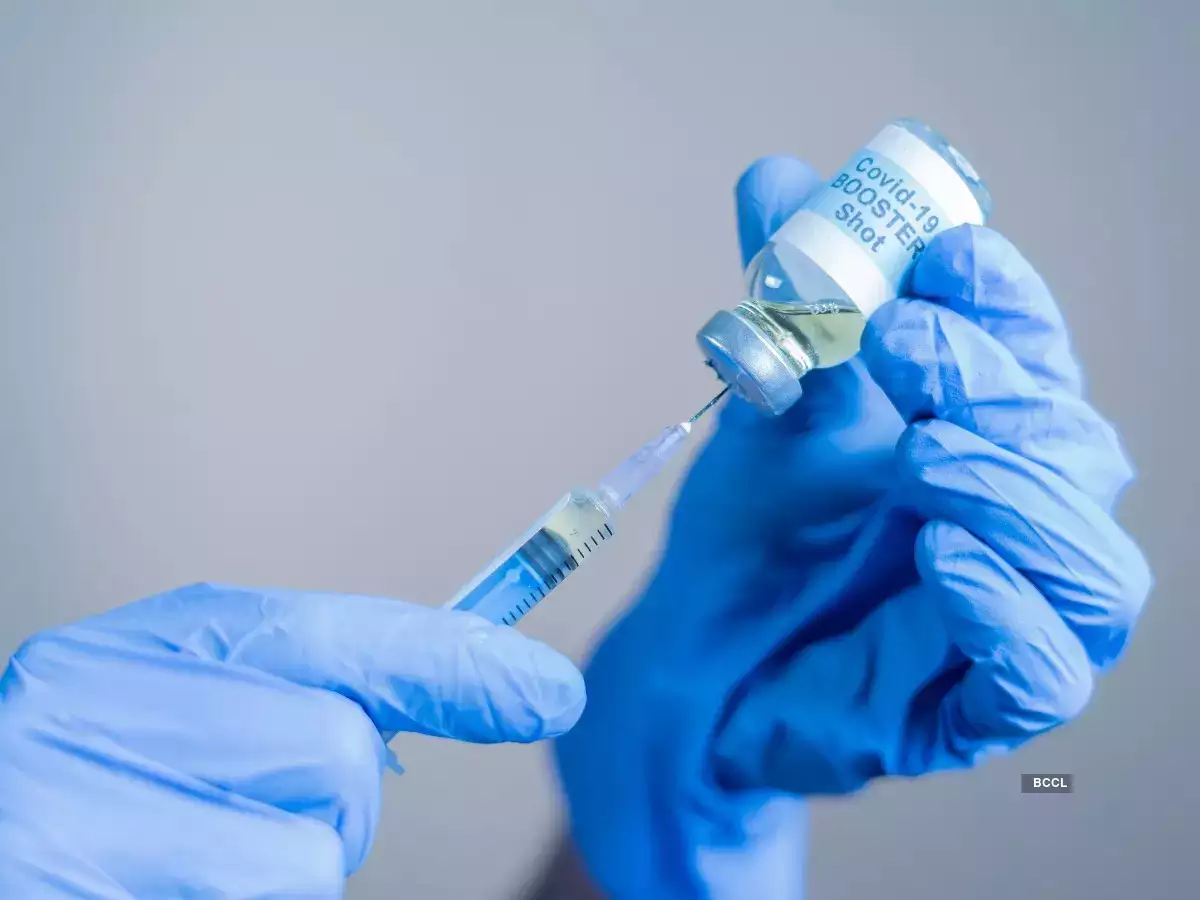
The vaccine employs mRNA technology similar to what was used in several COVID-19 vaccines. The idea is to train the patient’s immune system to recognize and attack cancer cells specifically, while sparing healthy cells. It does this by using four harmless viruses (vectors) which help target and destroy cancerous tumours, as well as boosting immune response to fight existing disease.
Clinical Trial Results
- The trials included 48 volunteers, each receiving a personalized formulation of Enteromix.
- According to reports, Enteromix was successful both in slowing tumour growth and, in some cases, completely eliminating them.
- Perhaps most impressively, no serious adverse effects were reported, which sets it apart from many conventional cancer treatments. Patients tolerated it well.
How It Works vs Traditional Treatments
Traditional cancer treatments like chemotherapy and radiation often attack rapidly dividing cells indiscriminately — cancerous or not — leading to serious side effects such as nausea, hair loss, immune suppression, and damage to healthy tissue.
In contrast, Enteromix aims to be precisely targeted: by harnessing a patient’s own immune system, it can ideally eliminate cancer cells with minimal collateral damage. Its personalized approach means each vaccine is tailored to a patient’s specific tumour profile. That’s a significant advantage, especially in cancers that mutate rapidly or are resistant to standard therapy.
What Makes It Different?
- Personalization: Each vaccine dose is tailored to the patient’s tumour — presumably using mRNA sequences or tumour antigens specific to that person.
- mRNA technology: Just like some COVID-19 vaccines, but here used for a non-infectious disease (cancer).
- Improved safety profile: Trials reported no serious side effects, a stark contrast to many existing therapies.
- Dual action: It not only attacks tumours but also stimulates the immune system more broadly to defend against future or residual cancer cells.
The Road Ahead: Regulatory Approval & Public Access
Despite the promising trial results, Enteromix is still awaiting final approval from the Russian Ministry of Health. Only after regulatory clearance can it become available to the public.
Also, while the trial size is small (48 volunteers), and early results are striking, larger, multi-centre trials will likely be required to confirm efficacy across diverse populations and various cancer types.
Possible Challenges & Skepticism
- Sample Size: 48 is good for early stage trials, but larger trials are needed to rule out anomalies.
- Long-Term Data: How durable is the immune response? Will there be recurrence or relapse?
- Cost & Access: Personalized vaccines tend to be more expensive; logistical challenges in producing individualized doses could be significant.
- Cancer Variability: Tumours vary not just from patient to patient but can evolve. Will the vaccine remain effective across mutations?
Implications for the Future of Oncology
If the results hold up under further testing and regulatory review, Enteromix could catalyze major shifts in cancer care:
- More treatments will be tailored to individual patient profiles instead of one-size-fits-all approaches.
- Standard cancer therapies (chemo, radiation) might be used less as primary treatments and more in combination with immunotherapies.
- Increased focus on mRNA and personalized vaccine technology for other diseases.
Expert Opinions & International Context
Medical scientists generally urge cautious optimism. Breakthroughs with claims of 100% efficacy require independent verification, peer-reviewed publications, and long-term follow-ups.
Other countries are already investing heavily in personalized cancer vaccines and immunotherapy, which means Enteromix adds Russia to the global race in cutting-edge cancer treatment research.
What Patients and Public Should Know
- If you or someone you know is battling cancer, consult your oncologist about the current state of vaccine therapy and clinical trials. Enteromix may not yet be available outside of research settings.
- Monitor developments: regulatory approvals, published research, availability, side-effect profiles.
- Maintain realistic expectations: Early trials are promising but not definitive.
Enteromix represents a bold leap forward in the use of personalized mRNA vaccines for cancer treatment. With its reported 100% efficacy and safety in early trials, it offers hope for more targeted, less toxic cancer therapies. While challenges remain — larger trials, long-term effects, regulatory hurdles — the promise is enormous.
As we follow this development closely, one thing becomes clear: personalized medicine and immunotherapy are fast becoming central to the future of treating cancer. If Enteromix delivers as hoped, it could save lives and change how we think about cancer treatment globally.
Story Highlights
- Russia’s Enteromix vaccine demonstrated 100% efficacy and safety in early clinical trials.
- It uses personalized mRNA technology, similar to COVID-19 vaccines, tailored for each patient.
- Developed by Russian medical research institutes, with 48 volunteers participating.
- Unlike chemo or radiation, Enteromix showed no serious side effects.
- Pending regulatory approval, it could become the first personalized mRNA cancer vaccine for public use.
















Leave a comment