Home International News Emerging Bat Virus in China Sparks Pandemic Concerns: Scientists Warn It’s ‘Just a Step Away’
International News

Emerging Bat Virus in China Sparks Pandemic Concerns: Scientists Warn It’s ‘Just a Step Away’

Share
Share

New Delhi, 07 June 2025: A newly identified bat coronavirus in China, designated as HKU5-CoV-2, has garnered significant attention from the global scientific community due to its potential to infect human cells. While no human infections have been reported to date, researchers caution that the virus is only a minor mutation away from becoming a significant public health threat.

What Is HKU5-CoV-2?

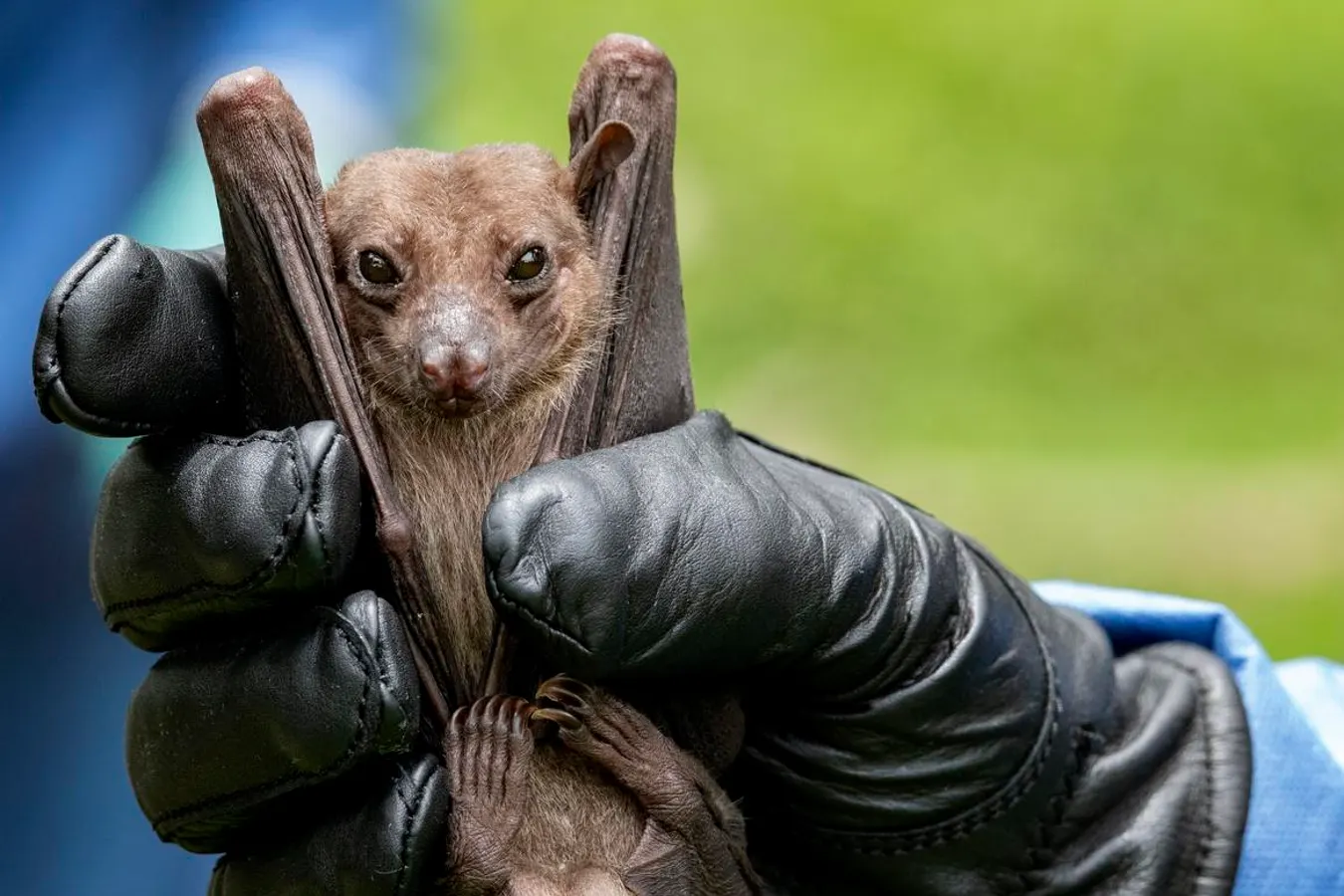
HKU5-CoV-2 is a novel coronavirus discovered in bats by scientists at China’s Wuhan Institute of Virology. This virus belongs to the merbecovirus subgenus, which also includes the Middle East respiratory syndrome coronavirus (MERS-CoV), known for its high fatality rate. Laboratory studies have demonstrated that HKU5-CoV-2 can bind to the human angiotensin-converting enzyme 2 (ACE2) receptor—the same pathway utilized by SARS-CoV-2, the virus responsible for COVID-19—to enter human cells.

Potential for Human Transmission

Although HKU5-CoV-2 has not yet been detected in humans, its ability to bind to human ACE2 receptors raises concerns about its potential for zoonotic spillover. In laboratory settings, the virus has successfully infected human cell lines, as well as lung and intestinal tissues. Researchers emphasize that while the current risk to humans is low, the virus’s genetic makeup suggests that only a small mutation could enhance its ability to infect humans, potentially leading to a new pandemic.

Experts Speak On Upcoming Pandemic Risk

Dr. Shi Zhengli, a prominent virologist at the Wuhan Institute of Virology, led the research on HKU5-CoV-2. She and her team have highlighted the importance of monitoring such viruses closely, given their potential to adapt to human hosts. However, other experts urge caution against alarmism. Dr. Michael Osterholm, an infectious disease expert at the University of Minnesota, stated that the reaction to the study might be “overblown,” noting that the virus currently exhibits lower binding affinity to human receptors compared to SARS-CoV-2.

The discovery of HKU5-CoV-2 underscores the ongoing risk of zoonotic diseases—illnesses that can be transmitted from animals to humans. Factors such as deforestation, urbanization, and increased human-wildlife interactions contribute to the emergence of such pathogens. Public health officials emphasize the need for continued surveillance of animal viruses and the development of strategies to mitigate potential spillover events.

The identification of HKU5-CoV-2 serves as a reminder of the ever-present threat of emerging infectious diseases. While the virus has not yet infected humans, its characteristics warrant close monitoring and proactive measures to prevent a potential future pandemic. Continued vigilance, research, and global cooperation are essential in safeguarding public health against such threats.


Share
Written by
kirti Shah

Kirti is a Senior Health Editor at Healthwire Media, specializing in health journalism and digital health communication. With over four years of experience in the healthcare media landscape, she is dedicated to transforming complex clinical data into accessible, patient-friendly information. Kirti oversees the editorial lifecycle of every article, ensuring they meet rigorous fact-checking standards and align with the latest guidelines from primary sources like the WHO and Ministry of Health. In her role, Kirti works closely with a panel of board-certified physicians and medical reviewers to ensure that every piece of content published is not only easy to understand but also medically accurate and safe for the public. She is passionate about health literacy and helping readers navigate their wellness journeys with confidence.

Leave a comment

Leave a Reply

Your email address will not be published. Required fields are marked *

Don't Miss

Lifestyle & Wellness

Why Men Feel Constantly Tired: Experts Reveal the Hidden Role of Dehydration, Stress and Poor Sleep

For many men today, health challenges don’t begin with illness; they start quietly, woven into everyday routines. Long hours at a desk, crowded...

Can 150 Minutes of Exercise a Week Help You Live Longer? Scientists Weigh In
Health News

Can 150 Minutes of Exercise a Week Help You Live Longer? Scientists Weigh In

In case you have ever questioned yourself what exactly is the best amount of exercise to help you improve health and live a...

Endometriosis
Obstetrics & Gynecology

Severe Period Pain Could Signal Endometriosis: Gynecologist Warns Women Not to Ignore These Symptoms

Many women experience pain and discomfort during their menstrual cycle and often consider it a normal part of periods. However, health experts say...

ENT

Glaucoma Risk Factors: These People Are More Likely to Develop the ‘Silent Vision Thief’

Glaucoma is a serious eye condition that can gradually damage vision. It is often called the “silent vision thief” because its early symptoms...

Health News

Sepsis: When a Simple Infection Can Turn Life-Threatening — Warning Signs You Should Never Ignore

Many people tend to ignore minor health problems such as fever, cough, urinary infections, or small wounds that develop infections. However, doctors emphasize...

Section title

Related Articles
WHO
International News

Nipah Virus Watch: WHO Assures Low Spread Risk as India and Bangladesh Report Cases

As concerns resurface following the detection of Nipah virus cases in parts...

Norovirus Spreading Rapidly In The US: 8 Quick Facts About The Disease
International News

Norovirus Outbreak 2026 – Explained: What It Is, How It Spreads, and Why It’s So Contagious

Often called the “winter vomiting bug”, norovirus is one of the most...