

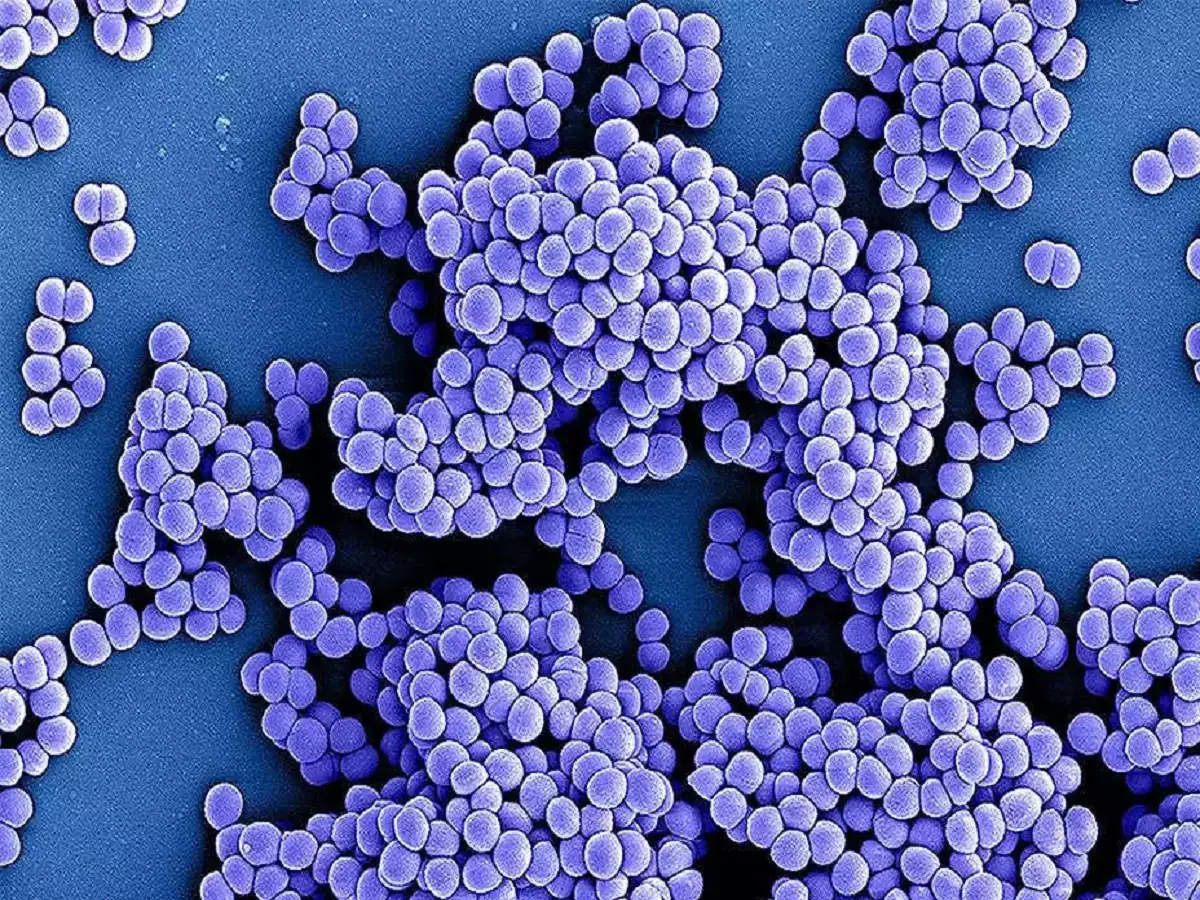
New Delhi, September 18: A new study has painted a grim picture of the future, warning that deaths due to drug-resistant infections could increase by almost 70% by 2050 globally. This alarming prediction highlights the urgent need for global action to address the growing threat of antimicrobial resistance (AMR).
The study, which was published in the journal The Lancet, ominously predicted that from 2025 to 2050, cumulatively, the world could see more than 39 million deaths that are directly caused by antimicrobial resistance (AMR).
The findings were stark: if current trends continue, the number of deaths attributed to drug-resistant infections could quadruple by 2050, surpassing the annual toll of cancer and HIV/AIDS combined.
Drug-resistant superbugs are bacteria, fungi, and viruses that have developed resistance to antibiotics and other antimicrobial drugs. This resistance makes them difficult to treat, leading to longer hospital stays, increased healthcare costs, and, in many cases, death.
The study identified several factors contributing to the rise of drug-resistant infections:
Overuse and misuse of antibiotics: The overuse and misuse of drug-resistant antibiotics, both in humans and animals, is a major driver of AMR. When antibiotics are used inappropriately, they can promote the development of resistant bacteria.
Lack of access to antibiotics: In many parts of the world, people lack access to essential antibiotics, leading to the development of drug-resistant infections.
Poor infection prevention and control: Inadequate infection prevention and control measures in healthcare settings can contribute to the spread of bacteria.
Agricultural practices: The use of antibiotics in agriculture to promote growth and prevent disease in animals can also contribute to the development of AMR.
The consequences of infections are far-reaching. Patients infected with drug-resistant bacteria are more likely to experience prolonged illnesses, require more invasive treatments, and have a higher risk of death. Additionally, drug-resistant infections can lead to increased healthcare costs, overburdened healthcare systems, and economic losses.
To address the threat of drug-resistant superbugs, the study calls for a global coordinated effort. This includes:
Reducing the use of antibiotics: Promoting the appropriate use of antibiotics and reducing unnecessary prescriptions.
Developing new antibiotics: Investing in research and development to discover new antibiotics that can combat drug-resistant bacteria.
Improving infection prevention and control: Implementing effective infection prevention and control measures in healthcare settings.
Strengthening surveillance: Enhancing surveillance systems to track the spread of drug-resistant infections.
Promoting public awareness: Raising awareness about the dangers of infections and the importance of antibiotic stewardship.
Antimicrobial resistance happens when bacteria, fungi and other pathogens develop the ability to doge the medications designed to kill them. Mutation and antibiotic overuse and misuse are two of the main ways pathogens develop resistance.















Leave a comment