
- Dr Sudheer Kumar Tyagi, Senior Consultant, Neurosurgery, Indraprastha Apollo Hospitals.
Neurosurgery is among the branches of medicine witnessing the best innovations during the past two years.
A range of neurological disorders — earlier considered incurable — are now treatable, leading to complete recovery by patients. Brain tumour symptoms and allied complications include headache, vomiting, memo, loss and difficulty in seeing or blurred vision.
Yet, fearing complications related to the brain, many people perceive neurological disorders as incurable and crippling.
To dispel misconception, about neurosurgery and also spread awareness about various treatment procedures, experts from Indraprastha Apollo Hospitals held a camp in Srinagar/Jammu today, organized under the supervision of Dr Sudheer Kumar Tyagi.
Besides a range of topics, Dr Tyagi spoke about various forms of brain tumours and how doctors have found innovative treatment methods to deal with neurological ailments.
“Brain tumour is a growth of abnormal cells spread inside or around the brain. Though the reasons for their development are not fully known, some factors increase their risk. For example, the risk of certain types of a brain tumour increases due to genetic and environmental causes. In some cases, brain tumours were found to be associated with exposure to X-rays in children,” Dr Sudheer Kumar Tyagi revealed.
Elaborating, Dr Tyagi said, “Tumours can be benign or malignant, that is, cancerous. The latter can only be treated via surgery, besides radiation therapy or chemotherapy (or sometimes both) after surgery.”
Once the surgery is done, a sample of the tumour is analysed by experts to deduce the future course of treatment and the possibility of recurrence. Typically, brain tumour surgeries are complex, requiring the intervention of highly-experienced doctors.
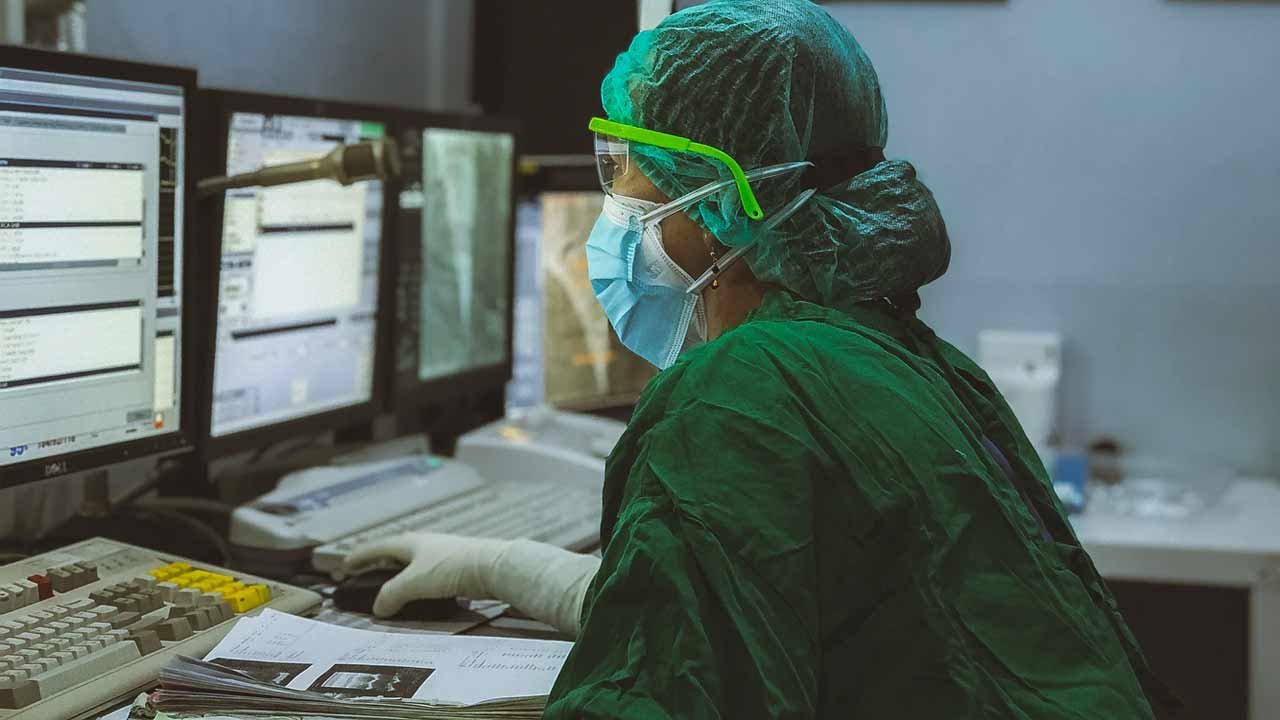
Added Dr Tyagi, “Such surgeries have become safer now as doctors con accurately determine the size and location of the tumour before and during surgery by using neuro-navigation technology. This helps in extracting the tumour without damaging surrounding healthy tissues, ensuring speedy recovery of the patient without additional complications.”
The pictures the brain taken during surgery are most helpful in specific cases. New techniques of imaging introduced during treatment — e.g., 3TESLA (Mgl, PET MRI and Functional MRI)— have brought about a revolution, change in identifying the type of brain tumour and its exact location.