Diabetes Management Tips: Diabetes is an irreversible health condition that can get triggered when the blood sugar levels are ignored for days. High blood sugar levels is marked by excessive presence of glucose in the blood – leaving the pancreas work harder to make insulin that can convert this blood glucose into energy. If you are diagnosed with diabetes, make sure to understand why managing your blood sugar level is important and what you can do to keep it under control.
What Is High Blood Sugar?
High blood sugar (hyperglycaemia) is where the level of sugar in your blood is too high. It mainly affects people with diabetes and can be serious if not treated.
People with diabetes can also have blood sugar that’s too low. This is called low blood sugar (hypoglycaemia).
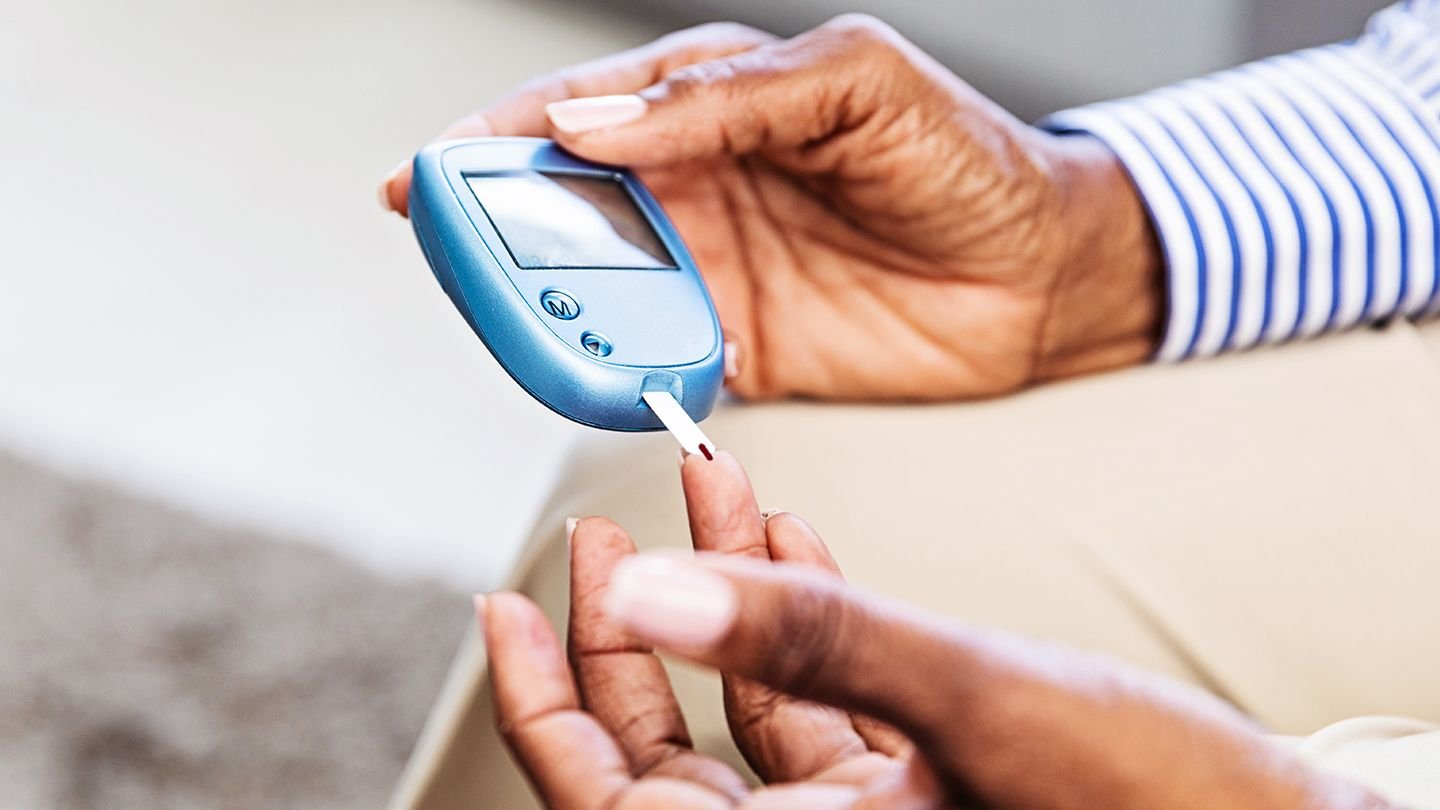
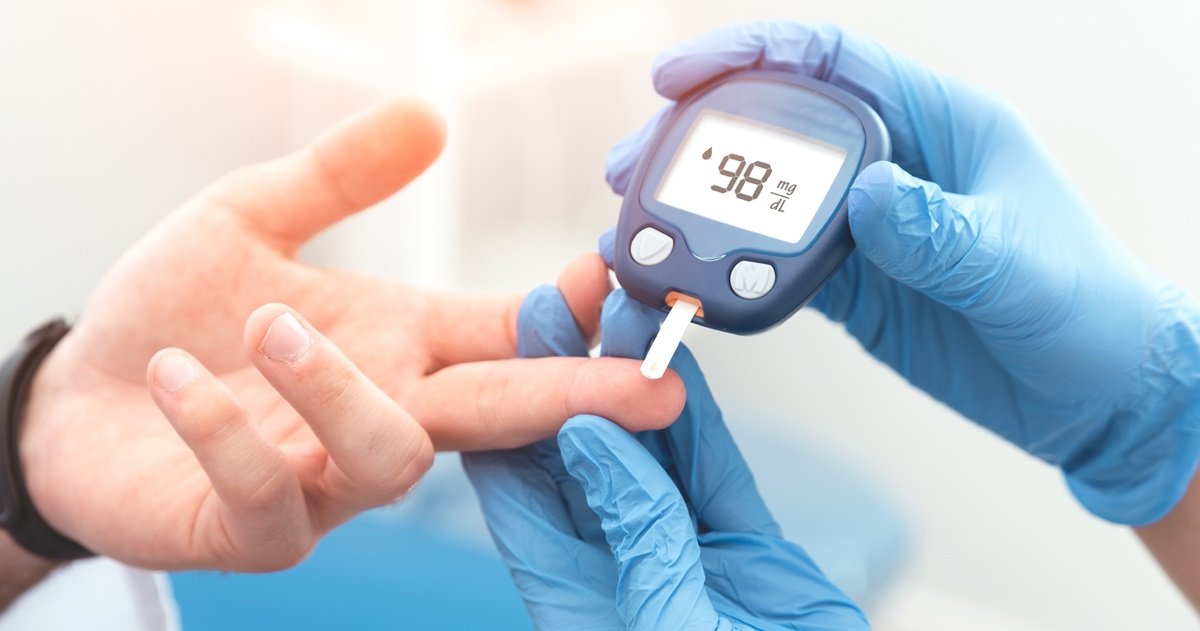
High blood sugar levels – If you have diabetes, you can find out if your blood sugar level is high by having a blood sugar (blood glucose) test.
You may have regular tests by your care team or GP surgery, or you may have tests you can do at home.
Tips To Bring Blood Sugar Levels Under Control
Follow the below-mentioned tips to control high Blood Sugar Levels effectively:
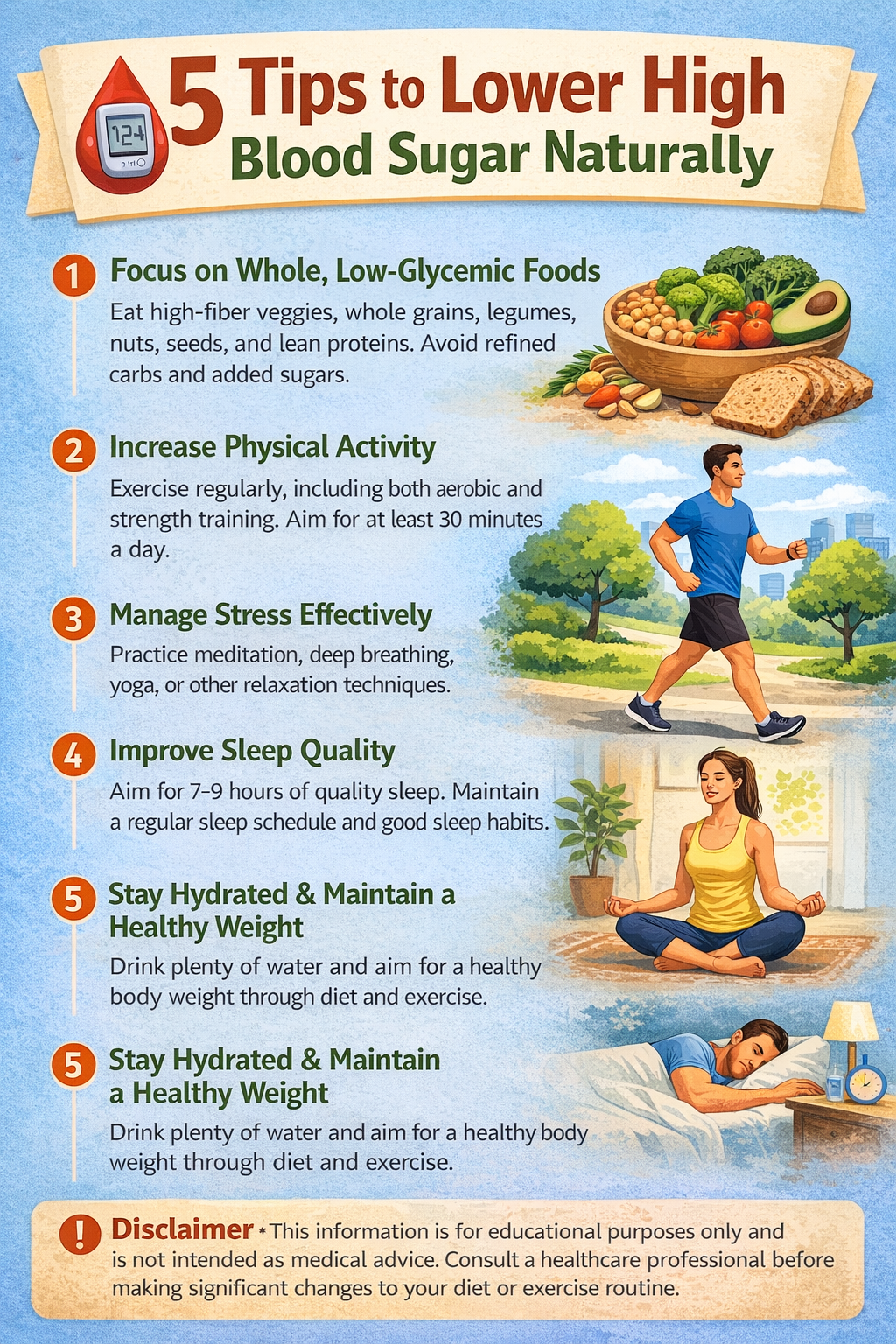
1. Focus on Whole, Low-Glycemic Foods
One of the most effective ways to naturally lower high blood sugar is by improving your diet. You can chose whole foods, and other seasonal fruits to make sure your diet is healthy and blood sugar friendly.
2. Increase Physical Activity
The next very important step is to ensure that you are induging in regular physical activities. This will help keep your body safe and protected.
3. Manage Stress Effectively
Managing your stress levels is also very important. You may consider indulging in yoga, and meditation to keep your blood sugar levels under control
4. Improve Sleep Quality
Poor sleep can negatively impact blood sugar regulation and insulin sensitivity. Inadequate or disrupted sleep may increase hunger hormones and reduce your body’s ability to process glucose effectively. Aim for 7–9 hours of quality sleep per night by maintaining a consistent sleep schedule, limiting screen time before bed, and creating a comfortable, dark sleeping environment. Reducing caffeine intake in the afternoon and establishing a calming bedtime routine can also improve sleep quality and help stabilize blood sugar levels.
5. Stay Hydrated and Maintain a Healthy Weight
Make sure to drink enough water. Staying hydration is important. Drinking enough water helps your kidneys flush excess sugar out of the bloodstream through urine. Proper hydration also supports overall metabolic function.
Your blood sugar target
A blood sugar target is the range you try to reach as much as possible. These are typical targets:
- Before a meal: 80 to 130 mg/dL.
- Two hours after the start of a meal: Less than 180 mg/dL.
Your blood sugar targets may be different depending on your age, any additional health problems you have, and other factors. Talk to your health care team about which targets are best for you.
Disclaimer: This information is for educational purposes only and is not intended as medical advice. High blood sugar can be a sign of prediabetes, diabetes, or other underlying health conditions. Always consult a qualified healthcare professional before making significant changes to your diet, exercise routine, or treatment plan—especially if you have been diagnosed with diabetes or are taking medication.