

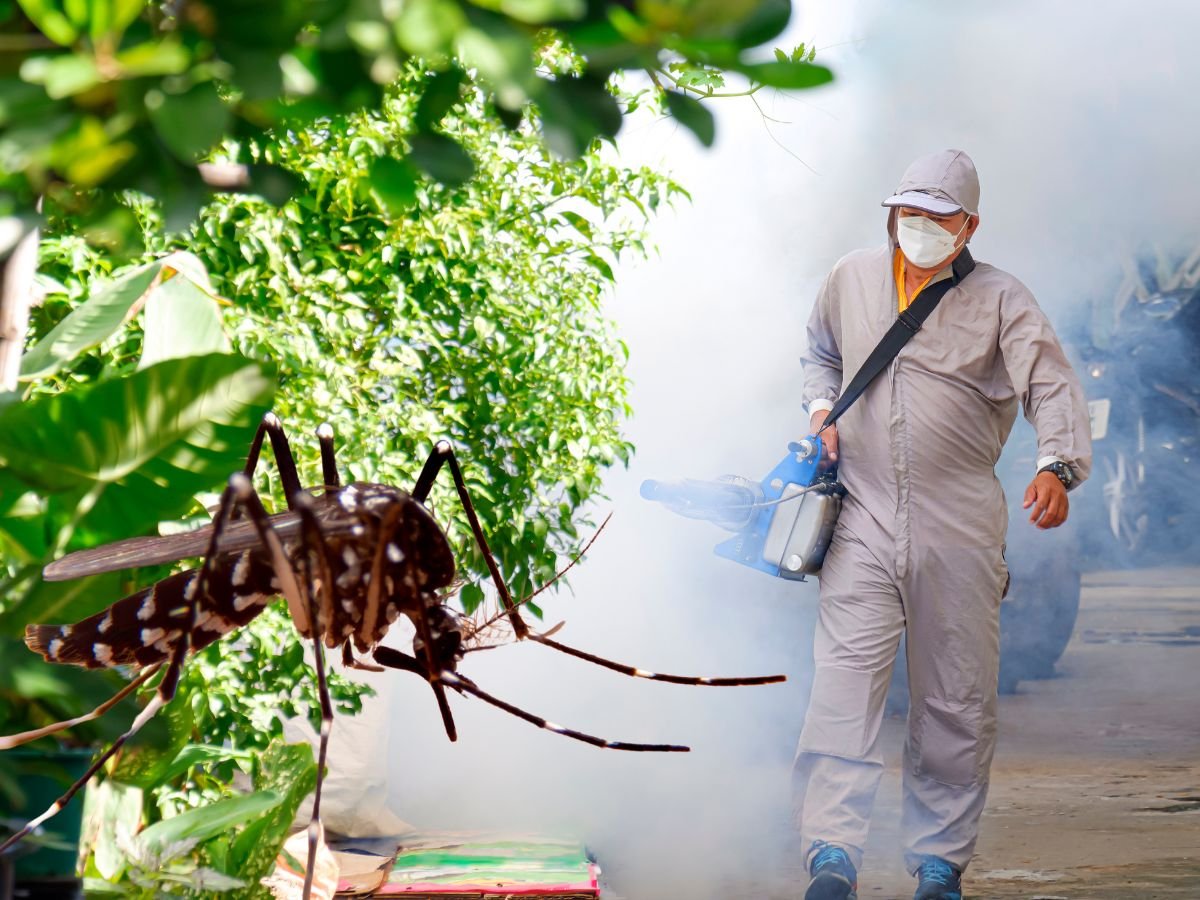
New Delhi, 18 May 2025: India is witnessing a concerning uptick in dengue cases, signaling a potential public health crisis as the monsoon season approaches. Recent reports indicate significant surges in various regions, underscoring the need for immediate and coordinated action.
Rising Cases Across the Country
In Nagpur, health experts have raised alarms over high mosquito densities, with a March 2025 survey revealing a house index of 49.76%, far exceeding the safe threshold of 10%. This suggests a heightened risk of a dengue outbreak as the monsoon sets in.
Similarly, Ernakulam district in Kerala has reported a 50.8% increase in dengue cases in the first half of May compared to the last 15 days of April. Rural areas like Piravom, Vengola, Thuravoor, and Vazhakulam are particularly affected, with intermittent rains creating favorable breeding conditions for mosquitoes.
In Goa, the Directorate of Health Services has confirmed the first dengue case of the season, treating it as a potential upsurge and intensifying surveillance and preventive measures.
Climate Change and Urbanization: Catalysts for Dengue Spread
Experts attribute the increasing incidence of dengue to climate change and rapid urbanization. Warmer temperatures and erratic rainfall patterns expand mosquito habitats into previously cooler regions. High humidity and excess rainfall create ideal breeding grounds, while even drought conditions can contribute by leading to water storage in containers.
Urban areas, with their dense populations and inadequate waste management, exacerbate the problem. The Urban Heat Island effect raises temperatures in cities, accelerating mosquito breeding cycles. Consequently, urban regions accounted for approximately 68% of dengue cases in 2023.
Government Initiatives and Community Engagement
In response to the looming crisis, various state governments have launched proactive measures:
- Karnataka: Health authorities have initiated special drives involving health workers and volunteers to eliminate mosquito breeding sites and raise public awareness.
- Punjab: The Health Department has reconstituted Village Health, Sanitation, and Nutrition Committees to strengthen grassroots healthcare. Initiatives include training ASHA workers to identify mosquito larvae and distributing Gambusia fish for biological control.
- Varanasi: A special campaign titled “Check, Clean, Cover: Steps to Defeat Dengue” has been launched, focusing on public education and weekly door-to-door visits by health workers to prevent mosquito breeding.
At the national level, the Integrated Disease Surveillance Programme (IDSP) continues to monitor disease patterns, enabling early detection and response to outbreaks.
Challenges in Vaccine Implementation
While vaccines like Dengvaxia and Qdenga have been developed, their implementation in India faces hurdles. Dengvaxia is recommended only for individuals with prior dengue exposure due to safety concerns, while Qdenga has shown promise in trials but requires further evaluation for widespread use.
The Indian Council of Medical Research (ICMR) is conducting trials for indigenous dengue vaccines, with companies like Panacea Biotec and Serum Institute of India leading the efforts. However, challenges such as safety validation, cost implications, and vaccine hesitancy need to be addressed for successful implementation.
As India braces for the monsoon season, a multifaceted approach is essential to combat the dengue threat. The convergence of climate change, urbanization, and inadequate public health infrastructure has created a conducive environment for dengue proliferation. Proactive and collaborative efforts from government bodies, healthcare institutions, and communities are imperative to mitigate the impending crisis.
















Leave a comment