

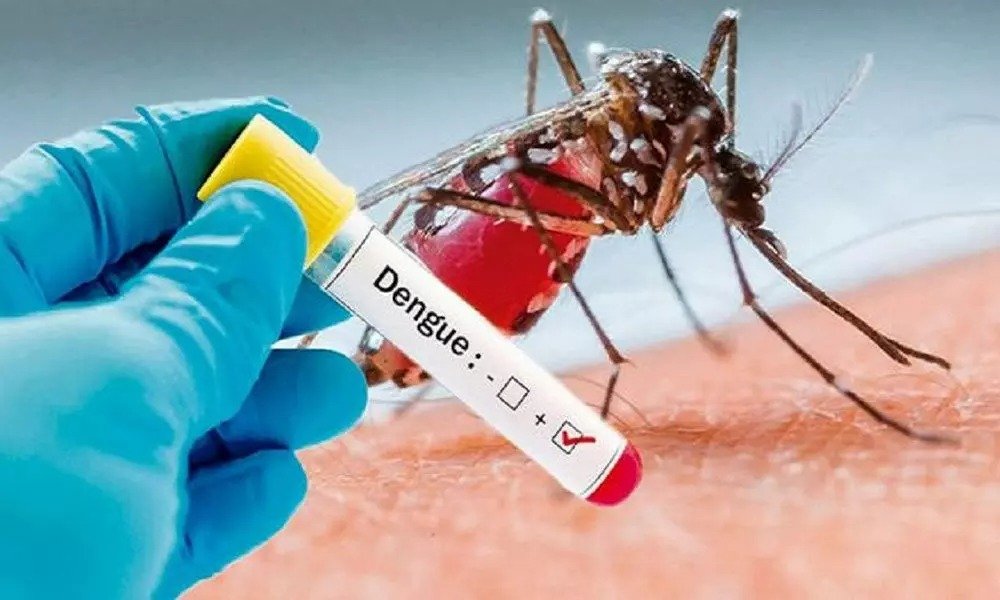
New Delhi, 29 August 2025: Fever is a common symptom, but not all fevers indicate the same underlying issue. While many are caused by mild viral infections, others—like dengue fever—can be much more serious. Differentiating between dengue and normal fever is critical, especially during peak mosquito seasons. This guide will help you understand how to identify the differences and when it’s time to seek medical attention.
What Is Dengue Fever?
Dengue fever is a mosquito-borne viral illness transmitted by the Aedes mosquito. It typically begins with a high fever and can lead to a wide range of symptoms. The virus has an incubation period of 3 to 14 days, after which symptoms may appear suddenly.
Common Symptoms of Dengue Include:
- Sudden high-grade fever (up to 104°F)
- Severe headaches, often behind the eyes
- Muscle, bone, and joint pain
- Nausea and vomiting
- Rash (appearing after 2–5 days)
- Mild bleeding (such as nose or gum bleeding)
In some cases, dengue can become severe, leading to internal bleeding, low platelet count, plasma leakage, and organ complications. Early detection and supportive care are crucial.
What Is a Normal Viral Fever?
A normal fever—typically caused by common cold viruses or flu—is usually mild and self-limiting. It develops more gradually and is often accompanied by respiratory symptoms.
Common Symptoms of Normal Viral Fever:
- Mild to moderate fever
- Runny nose, sore throat, and cough
- Mild muscle aches or fatigue
- Headaches
- Sometimes digestive discomfort
These symptoms usually last between 3 to 7 days and resolve without intensive treatment.
Dengue vs. Normal Fever: Key Differences
Fever Pattern
- Dengue: Sudden onset of high-grade fever
- Normal Viral Fever: Gradual rise in temperature, often low to moderate grade
Pain and Body Aches
- Dengue: Intense muscle, bone, and joint pain (also called “breakbone fever”)
- Normal Fever: General mild to moderate aches and fatigue
Rash
- Dengue: Rash is common and appears a few days after fever starts
- Normal Fever: Rash is rare unless caused by specific viruses like measles or rubella
Bleeding Tendency
- Dengue: Can cause gum bleeding, nosebleeds, and easy bruising
- Normal Fever: Bleeding is uncommon
Duration
- Dengue: 2–7 days but may worsen with complications
- Normal Fever: 3–5 days on average
Transmission
- Dengue: Spread through mosquito bites
- Normal Fever: Spread through respiratory droplets and surface contact
Diagnosis of Dengue and Viral Fever
While symptoms offer the first clues, diagnosis requires medical tests:
Dengue Diagnosis Includes:
- NS1 Antigen Test: Detects dengue early (within 1–5 days)
- IgM/IgG Antibody Test: Confirms infection in later stages
- CBC (Complete Blood Count): May show a drop in platelet and white blood cell counts
Normal Viral Fever Diagnosis:
- Usually diagnosed based on clinical symptoms
- Basic blood work may be done to rule out other causes
Treatment Options
Dengue Fever:
- No specific antiviral treatment
- Management includes:
- Adequate hydration (oral or IV)
- Paracetamol for fever and pain (avoid NSAIDs like ibuprofen or aspirin)
- Monitoring platelet levels and symptoms
- Severe dengue may require hospitalization
Normal Viral Fever:
- Rest and fluids
- Paracetamol or ibuprofen to reduce fever and discomfort
- Steam inhalation or warm saline gargles for throat relief
- Antibiotics are not needed unless there’s a secondary bacterial infection
Preventive Measures
Preventing Dengue:
- Eliminate stagnant water around homes (mosquito breeding sites)
- Use mosquito repellents and nets
- Wear full-sleeved clothing
- Keep windows and doors screened
- In high-risk areas, some vaccines may be recommended under medical guidance
Preventing Normal Viral Fever:
- Wash hands frequently
- Avoid touching the face
- Disinfect commonly touched surfaces
- Stay away from people showing symptoms
- Strengthen the immune system with a healthy lifestyle
When to Seek Medical Attention
Seek urgent care if you or someone you know experiences any of the following:
- Fever lasting more than 2–3 days with no improvement
- Severe joint or muscle pain
- Persistent vomiting
- Skin rash or bleeding
- Abdominal pain or tenderness
- Difficulty breathing
- Fatigue that worsens instead of improving
These could be signs of dengue or complications and must not be ignored.
Dengue Fever vs. Normal Viral Fever
| Feature | Dengue Fever | Normal Viral Fever |
|---|---|---|
| Onset | Sudden | Gradual |
| Fever | High-grade | Low to moderate |
| Body Pain | Severe muscle and joint pain | Mild general aches |
| Rash | Common | Rare |
| Bleeding | Possible | Unlikely |
| Duration | 2–7 days | 3–5 days |
| Transmission | Mosquito-borne | Airborne/contact |
| Diagnostic Tests | NS1, IgM, CBC | Usually clinical |
| Treatment | Supportive care | Rest and symptom management |
| Prevention | Mosquito control | Hygiene and isolation |
Dengue Fever: What You Need To Know
While both dengue and normal fever share some overlapping symptoms, a few clear indicators—like the intensity of body pain, presence of rash, and changes in blood count—can help differentiate them. With dengue posing greater health risks, early identification and proper care are essential.
During the monsoon and post-monsoon seasons, be extra cautious. Protect yourself from mosquito bites, stay hydrated, and consult a healthcare provider if you experience any warning signs. Early diagnosis can make all the difference in preventing complications and ensuring a full recovery.














Leave a comment