

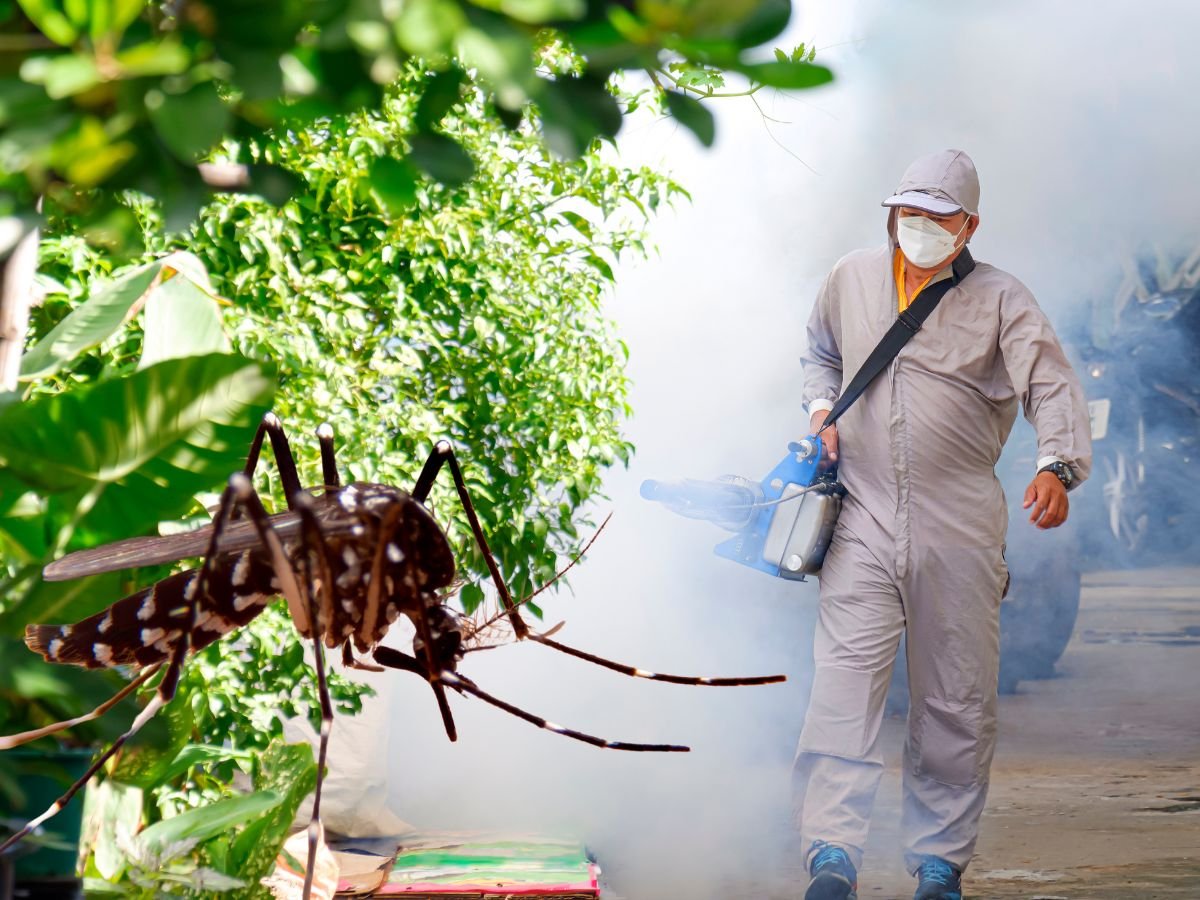
New Delhi, 16 September, 2025: As the rains sweep across Delhi-NCR, the rising number of dengue cases has once again brought the spotlight on this seasonal menace. Hospitals in Delhi, Noida, Gurugram, and Ghaziabad are reporting an increasing influx of patients with fever, joint pain, and rashes – classic symptoms of dengue. While civic bodies have intensified fogging and spraying, experts are warning that unless citizens take responsibility at the household level, the outbreak will continue to surge.
Why Dengue Keeps Returning Every Monsoon
Unlike other seasonal illnesses, dengue thrives due to urban habits and negligence. The Aedes aegypti mosquito, which spreads the dengue virus, breeds in clean, stagnant water commonly found in:
- Buckets left uncovered
- Water tanks without lids
- Flowerpots and trays
- Discarded tires, bottles, and cans
- Construction sites and rooftops with poor drainage
The challenge with Delhi-NCR is its high-rise apartments, dense population, and rapid construction, which make mosquito control extremely difficult. Even one household failing to manage stagnant water can expose an entire neighborhood.
Dengue Explained Simply
Dengue is a viral infection transmitted by the bite of an infected mosquito. It does not spread directly from person to person. Once bitten, symptoms usually appear within 4–10 days.
The disease ranges from mild fever to life-threatening complications like dengue hemorrhagic fever and dengue shock syndrome.
Common Symptoms You Should Watch Out For
Identifying dengue early can prevent complications. The most common symptoms include:
- High fever with sudden onset
- Severe headache and pain behind the eyes
- Muscle, bone, and joint pain (“breakbone fever”)
- Skin rashes appearing after 2–3 days
- Fatigue and weakness
- Nausea and vomiting
If any of these symptoms appear during monsoon, consult a doctor and request a blood test instead of dismissing it as a viral flu.
The Danger of Severe Dengue
In some cases, dengue progresses into a severe form. Warning signs include:
- Intense abdominal pain
- Persistent vomiting
- Bleeding from gums or nose
- Black stools or blood in vomit
- Difficulty breathing
- Rapid fall in platelet count
These are red flags requiring immediate hospitalization. Ignoring them can be fatal.
Delhi-NCR Situation: Numbers Rising
This season, dengue cases in Delhi-NCR have risen sharply compared to the previous year. Health officials attribute this to:
- Heavy rainfall leading to waterlogging
- Inconsistent fogging operations
- Lack of community participation in controlling breeding spots
Hospitals are reporting a shortage of beds in fever wards, highlighting how serious the outbreak has become.
Diagnosis and Medical Care
Doctors rely on a combination of tests to confirm dengue:
- NS1 antigen test (for early detection)
- IgM antibody test (after 5–7 days of fever)
- Complete Blood Count (CBC) (to check platelets and white blood cells)
There is no antiviral drug for dengue. Treatment focuses on:
- Managing fever with paracetamol (avoid aspirin and ibuprofen)
- Staying hydrated with water, ORS, coconut water, and soups
- Monitoring platelet levels through regular blood tests
- Hospital care in case of severe infection
Prevention – The Only Real Cure
Since there is no widely available vaccine for dengue in India, the only effective strategy is prevention.
At the Household Level
- Cover all water storage tanks and containers.
- Empty flowerpot trays and coolers weekly.
- Scrub water tanks and buckets to remove larvae.
- Keep rooftops and balconies free from standing water.
Personal Protection
- Wear full-sleeved clothing.
- Use mosquito repellents and nets.
- Avoid being outdoors during early morning and dusk (peak mosquito activity).
Community Measures
- Participate in neighborhood cleanliness drives.
- Report stagnant water at construction sites.
- Support local municipal fogging campaigns.
Why Home Responsibility Is Crucial
One of the biggest challenges in dengue control is public negligence. Fogging and government drives are temporary fixes. Mosquitoes breed inside homes, rooftops, and gardens – places civic workers cannot check every day.
This makes household prevention the frontline defense against dengue. If every family takes responsibility for their own space, the outbreak can be contained faster than relying solely on civic bodies.
Debunking Myths Around Dengue
Myth: Dengue spreads from person to person.
Fact: Only through mosquito bites.
Myth: Dengue requires platelet transfusion in all cases.
Fact: Only when platelet count drops dangerously low.
Myth: Papaya leaves cure dengue.
Fact: They may support recovery but cannot replace medical treatment.
Government Action in Delhi-NCR
Municipal bodies have launched awareness campaigns, fined construction sites for breeding, and increased fumigation drives. Schools are being urged to conduct weekly checks for stagnant water.
However, with millions of households, government measures alone cannot stop the outbreak – making citizen awareness more important than ever.
Key Takeaways for Delhi-NCR Residents
- Don’t ignore fever during monsoon – get tested early.
- Ensure no stagnant water around your house.
- Use mosquito repellents and protective clothing.
- Educate children and elderly family members about symptoms.
- Cooperate with community health drives.
The dengue surge in Delhi-NCR is not just a seasonal health issue; it is a wake-up call. Civic efforts are important, but the real prevention lies in what each household does daily. A single uncovered bucket or ignored flowerpot can trigger dozens of infections in a neighborhood.
This monsoon, every citizen of Delhi-NCR must remember: Dengue prevention begins at home. With vigilance, awareness, and timely medical care, we can reduce the toll of this deadly disease.















Leave a comment