


New Delhi, 16 October, 2025: As the festive season approaches, Delhi is once again facing a worsening air quality situation, with the Air Quality Index (AQI) dipping into the ‘poor’ category ahead of Diwali. This time of year, traditionally associated with the bursting of firecrackers and outdoor celebrations, sees a marked rise in pollution levels, which can have a significant impact on health, particularly for those with pre-existing conditions like asthma, bronchitis, or heart disease.
While it’s tempting to enjoy the festivities with fireworks and outdoor gatherings, it’s essential to prioritize health and safety—both for yourself and your loved ones. Here are 10 simple and effective tips to help you stay safe, even when air quality is poor and pollution levels are high.
1. Stay Indoors During Peak Hours
The worst pollution levels in Delhi often occur during the evening and late night, particularly around Diwali when fireworks are set off. During these hours, the air quality deteriorates rapidly, and pollutants like PM2.5 (tiny particles that can penetrate deep into your lungs) reach dangerous levels.
Tip for Day 1: Try to stay indoors during the evening hours, especially around Diwali night. Keep windows and doors closed to prevent outdoor air from entering. If you need to go out, wear a mask (preferably an N95 mask).
2. Monitor Air Quality Regularly
Keeping an eye on the AQI in your area will help you make informed decisions about when it’s safe to go outside. There are several apps and websites that provide real-time air quality data for Delhi. Some even provide forecasts for the coming hours, helping you plan your activities around cleaner air.
Tip for Day 2: Download an air quality monitoring app like “Air Quality Index” or check websites like SAFAR (System of Air Quality and Weather Forecasting and Research) for updates. If the AQI is in the ‘poor’ or ‘very poor’ range, stay indoors as much as possible.
3. Create an Indoor Air-Cleaning Zone
If you’re forced to stay indoors due to poor air quality, it’s important to ensure that your indoor environment is as clean and safe as possible. You can reduce indoor air pollution by using air purifiers and keeping your home well-ventilated.
Tip for Day 3: Invest in a high-quality air purifier that can filter out PM2.5 particles. Place it in the rooms where you spend the most time, like the bedroom and living room. Make sure to close doors and windows to keep pollutants from entering.
4. Use a Wet Cloth to Filter the Air Indoors
If you don’t have access to an air purifier, another simple solution is to hang wet towels or cloths near windows or doors to trap dust and particles. This will help prevent harmful pollutants from circulating in your home.
Tip for Day 4: Wet a clean towel and hang it near open windows or ventilation points. This can help trap airborne particles and reduce the concentration of pollutants indoors.
5. Keep Your Windows and Doors Closed
Even during the day, when air quality may still be moderate, it’s a good idea to keep windows and doors shut. Opening windows can let in outdoor pollution, especially when air quality is poor. If your home is not air-conditioned, use fans to circulate air while keeping windows closed.
Tip for Day 5: Keep windows and doors closed when you’re at home, especially during peak pollution hours in the evening and night. If you need ventilation, consider using an exhaust fan in your bathroom or kitchen.
6. Wear a Good Quality Face Mask When Outdoors
If you need to go outside, make sure to wear a high-quality face mask that can filter out fine particulate matter. N95 or KN95 masks are ideal because they are specifically designed to block out harmful pollutants and protect your lungs from inhaling toxic particles.
Tip for Day 6: If you’re stepping out for work, errands, or a walk, wear an N95 or KN95 mask. These masks are more effective than regular cloth masks at protecting against pollution. Make sure it fits snugly over your nose and mouth to offer maximum protection.
7. Limit Physical Exertion and Outdoor Activities
Heavy physical activity can cause you to inhale more air, including harmful pollutants, which increases the strain on your lungs and heart. It’s best to avoid outdoor exercises such as running, cycling, or long walks in areas where the AQI is high.
Tip for Day 7: If you’re used to exercising outdoors, consider indoor alternatives like yoga, stretching, or using a treadmill. Avoid outdoor runs or walks during periods of high pollution, especially in the evening when pollution levels tend to peak.
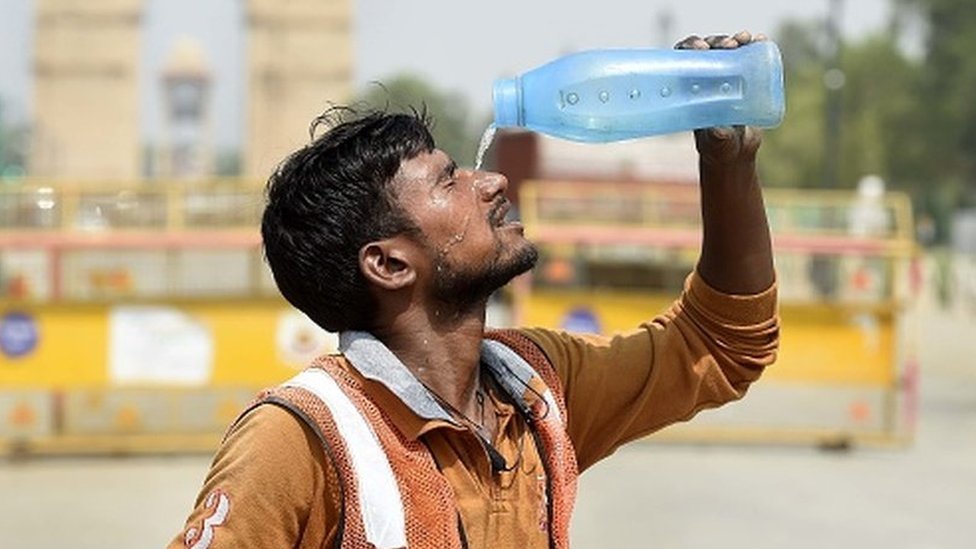
8. Hydrate Frequently
When pollution levels are high, your body has to work harder to flush out toxins. Staying hydrated helps your lungs clear out pollutants more effectively and keeps your immune system strong.
Tip for Day 8: Drink plenty of water throughout the day to stay hydrated. Herbal teas like ginger, mint, or chamomile are also great options as they can help soothe your airways and reduce inflammation.
9. Maintain a Healthy Diet
Eating foods that support your respiratory system can also help you cope with poor air quality. Foods rich in antioxidants, such as fruits and vegetables, can help reduce inflammation and oxidative stress caused by exposure to pollutants.
Tip for Day 9: Include anti-inflammatory foods like spinach, berries, oranges, almonds, and turmeric in your diet. These foods help combat the oxidative stress caused by pollution and support lung health. Foods high in vitamin C and vitamin E are especially beneficial for protecting your lungs.
10. Consider Using a Nasal Irrigation System
Nasal irrigation (also known as a saline rinse) is an effective way to clear pollutants from your nasal passages and sinuses. This can help reduce the buildup of irritants from the polluted air you’ve breathed in during the day.
Tip for Day 10: Use a saline nasal spray or a Neti pot to rinse out your nasal passages. This can help clear out allergens, dust, and other pollutants that may have accumulated in your nose.
Bonus: Support Vulnerable Groups
Children, the elderly, and individuals with respiratory conditions like asthma or COPD are particularly vulnerable to the effects of air pollution. If you have family members in these categories, ensure they stay indoors as much as possible during high-pollution periods and take extra precautions like wearing masks and using air purifiers.
Tip for Vulnerable Groups: If you’re caring for vulnerable individuals, make sure they stay in well-ventilated, air-purified spaces and avoid any exposure to outdoor pollutants. Consider getting a pulse oximeter to monitor oxygen levels for those with respiratory conditions.
Conclusion
While the worsening air quality during Diwali and the festival season is a significant concern for Delhi residents, there are steps you can take to protect yourself and your loved ones. By staying indoors during peak pollution hours, using air purifiers, wearing appropriate face masks, and following the tips above, you can mitigate the harmful effects of poor air quality on your health.
This festive season, let’s prioritize our health and safety, while still enjoying the celebrations. If the AQI remains in the ‘poor’ category, it’s important to continue monitoring your exposure to outdoor air pollution and make necessary adjustments to stay safe. With a little effort, you can reduce the impact of pollution on your health and still have a happy and safe Diwali.














Leave a comment