A new outbreak of the Nipah virus (NiV) in West Bengal, India, has triggered alarm across the region and neighboring countries. Known for its extremely high fatality rate of up to 75%, the virus is one of the deadliest zoonotic pathogens in the world. Even though only a handful of cases have been reported so far, the virus’s ability to spread from animals to humans and, in certain conditions, from human to human, along with its rapid progression to severe neurological disease, makes it a formidable public health threat.
Authorities have confirmed a small number of cases in West Bengal, with patients exhibiting classic Nipah symptoms, including fever, headache, muscle pain, and respiratory difficulties. The government has already mobilized health teams for contact tracing, patient isolation, and surveillance. Neighboring countries in Asia have also reinstated airport screening measures similar to those used during the COVID-19 pandemic, and public health agencies are on heightened alert to prevent cross-border transmission.
What is Nipah Virus?
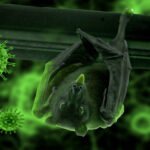
Nipah virus is a zoonotic RNA virus from the Henipavirus family. It was first identified in the late 1990s during an outbreak among pig farmers. Since then, sporadic outbreaks have occurred in South and Southeast Asia, primarily in India and Bangladesh. The virus is naturally carried by fruit bats, which can harbor the pathogen without showing symptoms. Humans are typically infected through direct contact with infected animals, consumption of contaminated food such as raw date palm sap, or through exposure to contaminated bodily fluids.
Although Nipah does not spread as efficiently as airborne viruses like influenza or COVID-19, it is capable of human-to-human transmission, particularly in healthcare settings or among close family members. The combination of high lethality, rapid disease progression, and the absence of vaccines or specific antiviral treatments makes Nipah one of the most dangerous pathogens in modern times.
How Nipah Spreads
Animal-to-Human Transmission
Fruit bats are the primary reservoirs of Nipah virus. They shed the virus through saliva, urine, and feces, contaminating fruits, raw sap, and other foods consumed by humans or domestic animals. Individuals who come into contact with these materials — for example, by drinking raw date palm sap or consuming partially eaten fruits — are at risk. Domestic pigs can also serve as intermediate hosts, amplifying viral spread to humans.
Human-to-Human Transmission
While Nipah does not transmit easily via casual contact, it can spread through direct contact with infected bodily fluids, including saliva, urine, blood, and respiratory secretions. Outbreaks in India and Bangladesh have shown clusters of infections among family members and healthcare workers, highlighting the importance of strict infection control in hospitals and isolation facilities.
Symptoms: From Mild to Life-Threatening
Nipah infection presents a biphasic clinical pattern. Early symptoms are often mild and nonspecific, making early detection challenging:
- Fever
- Headache
- Muscle pain
- Sore throat
- Cough
- Vomiting
These initial symptoms can resemble influenza or other common viral infections. However, in severe cases, the virus progresses to affect the central nervous system, causing acute viral encephalitis, which can be fatal.
Severe and Neurological Symptoms
- Confusion and altered consciousness
- Seizures
- Coma
- Respiratory distress
- Severe brain inflammation
The progression from mild symptoms to neurological complications can occur within a few days, sometimes leading to death in under 48 hours. Survivors may experience long-term neurological impairments, such as persistent seizures or personality changes.
Why Nipah’s Fatality Rate is So High
Nipah virus is exceptionally lethal, with mortality rates ranging from 40% to 75%, depending on the outbreak and availability of medical care. Factors contributing to its high fatality include:
- Rapid progression to encephalitis and respiratory failure
- Lack of specific antiviral treatment or vaccines
- Delay in diagnosis due to nonspecific early symptoms
- Severe systemic and neurological complications
Even with supportive care in intensive isolation units, the virus can overwhelm vital organs, leading to multi-organ failure and death.
Containment Measures
Authorities have implemented several measures to curb the outbreak, including:
- Isolation of confirmed and suspected cases
- Contact tracing and monitoring of close contacts
- Enhanced screening at airports and travel hubs
- Use of personal protective equipment (PPE) for healthcare workers
Preventing human-to-human transmission is key. Hospitals and clinics are following strict infection control measures, including limiting patient interactions and ensuring thorough disinfection.
Neighboring countries have adopted precautionary measures, including screening travelers from affected areas, issuing travel advisories, and preparing isolation facilities for potential cases. The measures are similar to those deployed during the COVID-19 pandemic, reflecting lessons learned from previous global health crises.
Why Nipah Could Trigger a Health Crisis
Even though Nipah spreads less efficiently than respiratory viruses, it has several characteristics that make it a serious threat:
- High case-fatality rate
- Rapid disease progression to fatal encephalitis
- No vaccine or targeted treatment
- Potential for human-to-human transmission in healthcare settings
The virus’s natural reservoir, fruit bats, is widespread in India and other parts of South Asia, increasing the risk of recurrent spillover events. Dense populations, high mobility, and limited awareness in rural areas could amplify outbreaks if early containment fails.
Outbreaks occurring during periods of high travel, such as festivals, increase the likelihood of imported cases in other regions, requiring enhanced public health surveillance and rapid response capacity.
Early Detection and Public Awareness
Early detection is crucial to preventing fatalities. Individuals who experience fever, headache, cough, or neurological symptoms after exposure to bats, pigs, or infected humans should seek immediate medical attention.
Healthcare providers are advised to follow strict infection control protocols, including isolation, use of PPE, and immediate reporting of suspected cases. Laboratory confirmation of Nipah requires specialized testing, which is often centralized in designated virology laboratories.
The Nipah virus represents a critical public health threat. Its high fatality, neurological complications, and potential for human-to-human transmission make it a pathogen that demands continuous vigilance.
Although the current outbreak in India is limited, the virus’s characteristics underscore the need for:
- Early detection and rapid isolation of cases
- Strict infection control in healthcare facilities
- Public awareness about avoiding high-risk exposures
- Preparedness of public health systems for potential outbreaks
If containment measures are implemented swiftly and responsibly, the risk of a widespread outbreak can be minimized. However, given the virus’s deadly nature, the international community and local health authorities must treat every confirmed case as a potentially life-threatening emergency.
The Nipah virus may not yet have caused a global pandemic, but its lethality, rapid progression, and lack of cure make it a silent but deadly threat, capable of sparking a health crisis if ignored. Vigilance, preparedness, and strict adherence to public health protocols remain the best defenses against this deadly virus.