

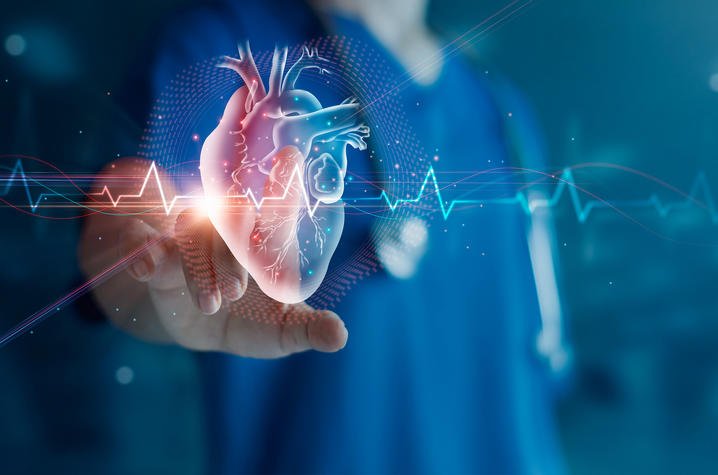
A groundbreaking study published in eBioMedicine has unveiled a startling connection between phthalates—chemicals prevalent in plastics—and over 350,000 cardiovascular-related deaths worldwide in 2018. These substances, commonly found in items like food packaging, personal care products, and household plastics, are now under scrutiny for their potential role in heart disease.
Phthalates are known as endocrine disruptors, meaning they can interfere with the body’s hormonal systems. Their pervasive presence in daily-use products raises concerns about chronic exposure and its long-term health implications.
A Global Health Crisis: 13% of Heart Deaths Linked to Phthalates
The study’s findings are alarming: phthalates were associated with 13% of cardiovascular deaths globally among adults aged 55 to 64. This statistic underscores the significant impact of these chemicals on heart health, particularly in regions with high plastic consumption.
The research also highlighted that approximately 75% of these deaths occurred in areas like Asia, the Middle East, and the Pacific, emphasizing the disproportionate burden on developing countries.
Microplastics: A Closer Look at the Cardiovascular Connection
Further compounding the issue, studies have detected microplastics in human arterial plaque. Research presented at the American Heart Association meeting revealed that stroke patients had significantly higher levels of microplastics in their arterial plaque compared to healthy individuals. This discovery suggests a potential link between microplastic accumulation and cardiovascular events.
While the exact mechanisms remain under investigation, the presence of microplastics in critical areas of the circulatory system raises concerns about their role in promoting inflammation and plaque instability.
Everyday Exposure: How Plastic Use Puts Your Heart at Risk
The ubiquity of plastics in modern life means that exposure to harmful chemicals like phthalates is almost unavoidable. From storing food in plastic containers to using personal care products packaged in plastic, individuals are consistently in contact with these substances.
Studies have shown that chemicals from plastic containers can leach into food and beverages, especially when heated. This leaching increases the risk of ingesting phthalates, which can then enter the bloodstream and potentially contribute to cardiovascular issues.
“By highlighting the connection between phthalates and a leading cause of death across the world, our findings add to the vast body of evidence that these chemicals present a tremendous danger to human health,” said lead author Sara Hyman, an associate research scientist at NYU Grossman School of Medicine.
Steps to Reduce Plastic Exposure and Protect Heart Health
Given the potential risks associated with plastic use, individuals can take proactive measures to minimize exposure:
- Opt for Glass or Stainless Steel Containers: Use alternatives to plastic for food storage, especially for hot items.
- Avoid Heating Food in Plastic: Microwaving food in plastic containers can increase chemical leaching.
- Choose Phthalate-Free Products: Look for personal care items labeled as free from phthalates and other harmful chemicals.
- Reduce Consumption of Processed Foods: These often come in plastic packaging and may have higher levels of chemical exposure.
- Stay Informed: Keep abreast of new research and guidelines regarding plastic use and health implications.
The emerging evidence linking plastic-derived chemicals to heart disease is a clarion call for both individuals and policymakers. As research continues to uncover the extent of these health risks, it’s imperative to reassess our reliance on plastics and seek safer alternatives. Protecting heart health may well begin with the choices we make about the materials we use daily.













Leave a comment