

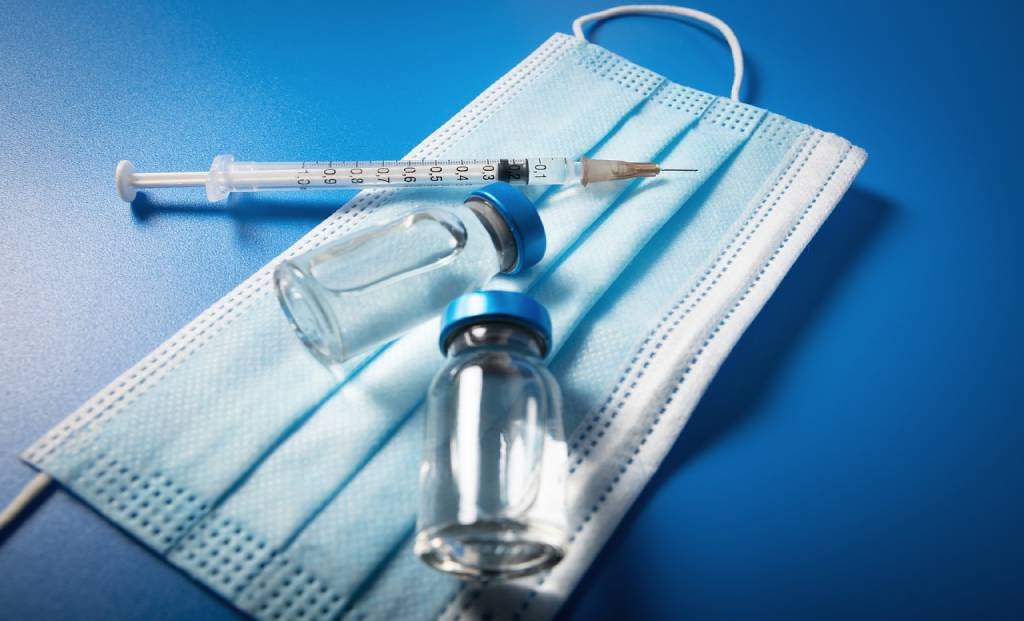
New Delhi, 27 July 2025: Union Health Minister JP Nadda has reaffirmed that COVID-19 vaccines do not pose a risk of sudden deaths, dismissing recent social media speculation and misinformation. He cited scientific data and global health surveillance to back the statement, reassuring the public about the safety and effectiveness of the vaccines that have been widely administered across India and the world.
No Link Between COVID Vaccines and Sudden Death
Speaking at a press briefing, Health Minister Nadda clarified that no causal relationship has been established between the COVID-19 vaccines and sudden deaths reported post-vaccination. Surveillance systems, both in India and globally, have monitored adverse events following immunization (AEFI) and found that the incidence of serious or fatal outcomes is extremely rare and not linked to the vaccine itself. He urged people to trust science, not fear-mongering.
What the Data Says
Global studies, including those by the World Health Organization (WHO) and Centers for Disease Control and Prevention (CDC), support Nadda’s statement. Mild and temporary side effects like fever, fatigue, or muscle soreness are common. However, the risk of sudden cardiac arrest or unexplained death remains extremely low and unrelated to vaccine ingredients. The benefits of the vaccine far outweigh any theoretical risks, especially in preventing severe illness, hospitalization, and death due to COVID-19.
Types of COVID-19 Vaccines Approved in India
India has approved multiple vaccines for use, each developed using different technologies but all proven to be safe and effective:
- Covishield (Oxford-AstraZeneca)
- Type: Viral vector vaccine
- Dosage: 2 doses, 12–16 weeks apart
- Efficacy: Around 70% (higher with longer interval)
- Storage: 2–8°C
- Covaxin (Bharat Biotech)
- Type: Inactivated virus vaccine
- Dosage: 2 doses, 4 weeks apart
- Efficacy: 77.8% against symptomatic COVID
- Storage: 2–8°C
- Corbevax (Biological E.)
- Type: Protein subunit vaccine
- Dosage: 2 doses, 28 days apart
- Targeted use: Children and adults
- Storage: 2–8°C
- ZyCoV-D (Zydus Cadila)
- Type: DNA plasmid-based vaccine
- Dosage: 3 doses, needle-free
- Approved for: Adolescents aged 12–18
- Storage: 2–8°C
- Sputnik V (Dr Reddy’s Labs with Russian Gamaleya Institute)
- Type: Viral vector (two different adenoviruses)
- Dosage: 2 doses, 21 days apart
- Efficacy: Over 90%
- Storage: -18°C
Booster Shots and Safety
India also rolled out precautionary (booster) doses for frontline workers, senior citizens, and those with comorbidities. These booster doses have shown continued protection against emerging variants and do not elevate risks of sudden adverse outcomes. Monitoring remains ongoing, and no alarming trends have been observed.
Expert Opinion on Vaccine Misinformation
Leading epidemiologists and cardiologists emphasize that correlation does not mean causation. A sudden death post-vaccination could be coincidental and not triggered by the vaccine. Myths around vaccines causing myocarditis, cardiac arrest, or strokes have largely been debunked by large-scale peer-reviewed studies. The Union Health Ministry continues to advise vaccination as the best shield against future COVID-19 waves.
As India continues to battle emerging COVID-19 variants and strives to keep immunity levels high, Health Minister JP Nadda’s reassurance is a reminder to trust medical science. COVID-19 vaccines remain one of the most successful public health tools in preventing serious illness and saving lives. Sudden deaths are not linked to vaccines—and keeping up with vaccination schedules remains a critical step in pandemic management.











Leave a comment