

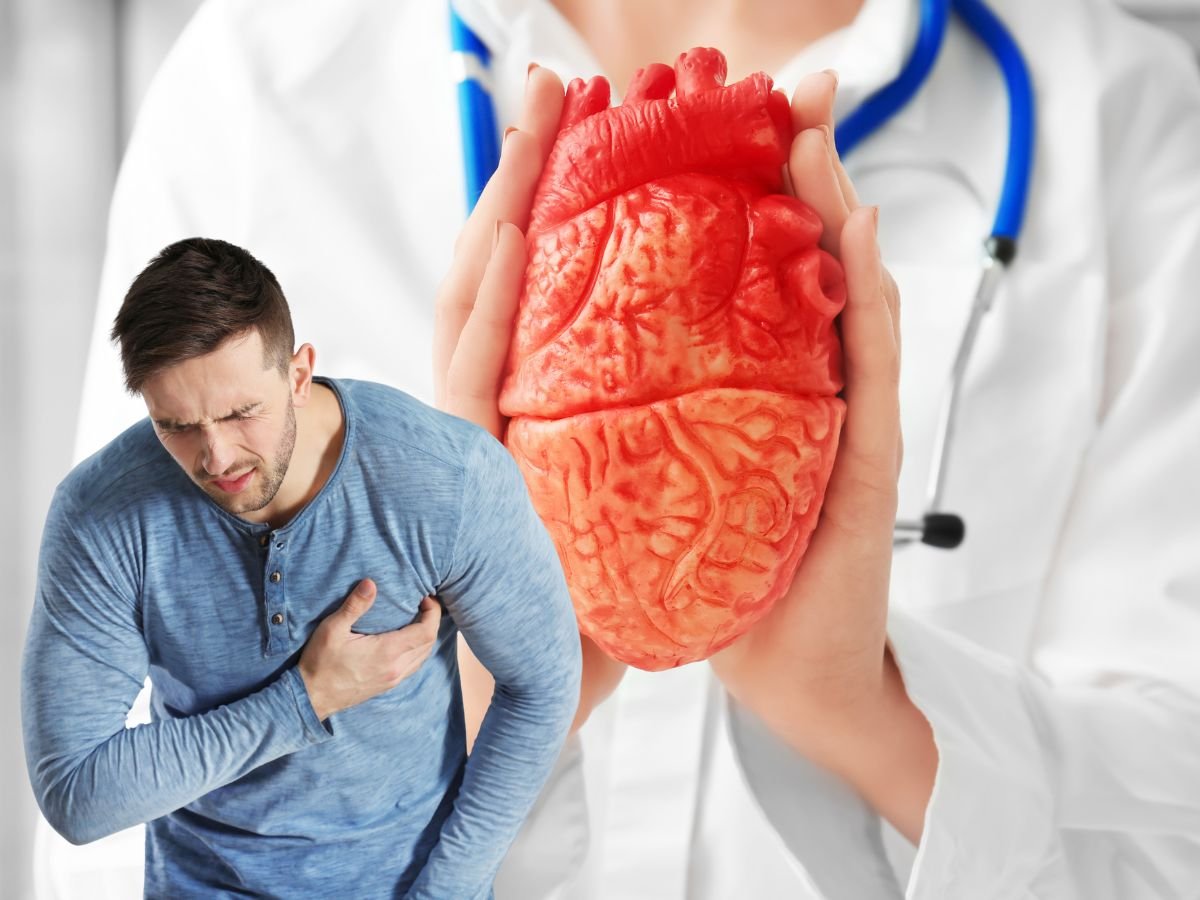
New Delhi, 09 September 2025: For decades, heart disease has been linked primarily to lifestyle choices and underlying conditions such as high cholesterol, obesity, smoking, diabetes, and high blood pressure. But what if there’s another, often overlooked, factor silently contributing to heart attacks? Recent scientific research suggests that certain bacterial infections might play a surprising role in triggering cardiac events. This new perspective raises the question: Could heart attacks, at least in part, be considered infectious?
Heart Attacks: A Brief Overview
A heart attack, or myocardial infarction, happens when blood flow to a portion of the heart muscle is blocked, usually due to a buildup of fatty deposits called plaque inside the coronary arteries. When a plaque ruptures, it forms a blood clot that restricts oxygen supply, damaging the heart muscle.
Traditional risk factors include:
- High blood pressure
- High cholesterol
- Diabetes
- Smoking
- Sedentary lifestyle
- Poor diet
- Stress
While these remain the primary culprits, emerging evidence indicates that bacterial infections and the body’s immune response may contribute to plaque formation, instability, and rupture.
The Infection-Heart Connection
Scientists have long observed that inflammation plays a central role in cardiovascular disease. Inflammation makes artery walls more vulnerable to plaque buildup and rupture. Certain bacteria, when they invade the body, can increase systemic inflammation and may even directly colonize arterial plaques.
Some studies have detected bacterial DNA inside atherosclerotic plaques removed from patients during surgery. The presence of these microbes suggests they may be more than innocent bystanders — they could actively fuel the disease process.
Key Study Findings
In a recent breakthrough study, researchers found that:
- Oral bacteria, particularly those associated with gum disease, were frequently detected in arterial plaques of patients with heart disease.
- These bacteria may enter the bloodstream through bleeding gums and travel to the arteries, where they trigger immune reactions.
- The immune response creates inflammation, weakening the protective cap of plaques and making them prone to rupture — a key trigger for heart attacks.
Another surprising discovery involved Chlamydia pneumoniae, a respiratory bacterium, which has been identified in arterial tissues. Similarly, Helicobacter pylori, known for causing stomach ulcers, has been linked to increased cardiovascular risk in some populations.
How Bacteria May Trigger Heart Attacks
There are several mechanisms by which bacteria could influence cardiovascular health:
- Direct Invasion of Arteries
Bacteria from the mouth, gut, or lungs can enter the bloodstream and lodge themselves in blood vessel walls. Their presence provokes immune cells to attack, leading to chronic inflammation. - Plaque Destabilization
Bacteria produce toxins and enzymes that may weaken the fibrous cap covering arterial plaques. When this cap ruptures, a blood clot forms, potentially causing a heart attack. - Systemic Inflammation
Persistent infections raise levels of inflammatory markers like C-reactive protein (CRP), which are known predictors of cardiovascular events. - Molecular Mimicry
Some bacterial proteins resemble human proteins. When the immune system attacks the bacteria, it may mistakenly damage the body’s own tissues, including blood vessels.
Oral Health and the Heart
One of the strongest links between infection and heart disease lies in oral health. Gum disease (periodontitis) is caused by bacterial overgrowth in the mouth. These bacteria can enter the bloodstream during brushing, flossing, or dental procedures.
People with chronic gum disease are at a higher risk of heart attacks and strokes, even when accounting for traditional risk factors. Improving oral hygiene — brushing twice daily, flossing, and regular dental check-ups — may therefore play a role in protecting heart health.
Is Heart Disease Really Infectious?
While the idea of heart attacks being “infectious” may sound startling, researchers clarify that heart disease is not contagious in the traditional sense. You cannot “catch” a heart attack from someone else. However, certain infections may increase susceptibility to cardiovascular events by promoting inflammation and damaging blood vessels.
This shifts the focus from purely lifestyle-based causes to a more complex picture where infections act as hidden contributors. In other words, infections may tip the balance in someone already at risk due to diet, genetics, or lifestyle.
Preventive and Therapeutic Implications
If bacterial infections are indeed significant players in heart disease, this could transform prevention and treatment strategies.
1. Improved Oral Hygiene
Maintaining gum health may reduce cardiovascular risk. Dentists and cardiologists are now working more closely to raise awareness about the mouth-heart connection.
2. Vaccines and Antibiotics
In the future, vaccines against bacteria like Chlamydia pneumoniae might indirectly lower heart disease risk. However, widespread antibiotic use is not recommended due to resistance risks and lack of clear evidence that it prevents heart attacks.
3. Anti-Inflammatory Treatments
Research is exploring drugs that target inflammation directly. For instance, canakinumab, an anti-inflammatory medication, has shown promise in reducing recurrent heart attack risk in high-risk patients.
4. Holistic Health Approach
Recognizing that infections, diet, exercise, and genetics all interplay emphasizes the need for integrated healthcare. A cardiologist, dentist, and primary care physician working together can provide a more complete prevention plan.
What This Means for You
While scientists continue to investigate the infection-heart link, there are practical steps you can take to protect your cardiovascular health:
- Prioritize oral hygiene – Brush, floss, and schedule regular dental visits.
- Eat a balanced diet – Focus on whole foods, fruits, vegetables, lean protein, and healthy fats.
- Stay active – At least 150 minutes of moderate exercise weekly supports heart function and reduces inflammation.
- Avoid smoking and excess alcohol – Both damage blood vessels and weaken immune defenses.
- Monitor blood pressure, cholesterol, and blood sugar – Managing these reduces plaque buildup risk.
- Seek timely treatment for infections – Don’t ignore respiratory or gum infections, as they may have broader health effects.
The Road Ahead
The idea that heart attacks may have an infectious component is still relatively new but gaining traction. More large-scale studies are needed to confirm how strong this link is and whether treating infections directly can reduce heart attack risk.
If proven, this could revolutionize heart disease prevention, adding infection control to the list of traditional measures like lowering cholesterol and blood pressure.
Heart attacks have long been considered the result of poor diet, lack of exercise, and genetic predisposition. While these factors remain central, mounting evidence shows that hidden bacterial infections may also play a critical role by fueling inflammation and destabilizing arterial plaques.
This doesn’t mean heart attacks are contagious, but it does mean that preventing and treating infections — especially gum disease and chronic bacterial illnesses — might be just as important as lowering cholesterol or quitting smoking.
Ultimately, the research underscores one powerful truth: a healthy heart begins with a healthy body, from head to toe.












Leave a comment